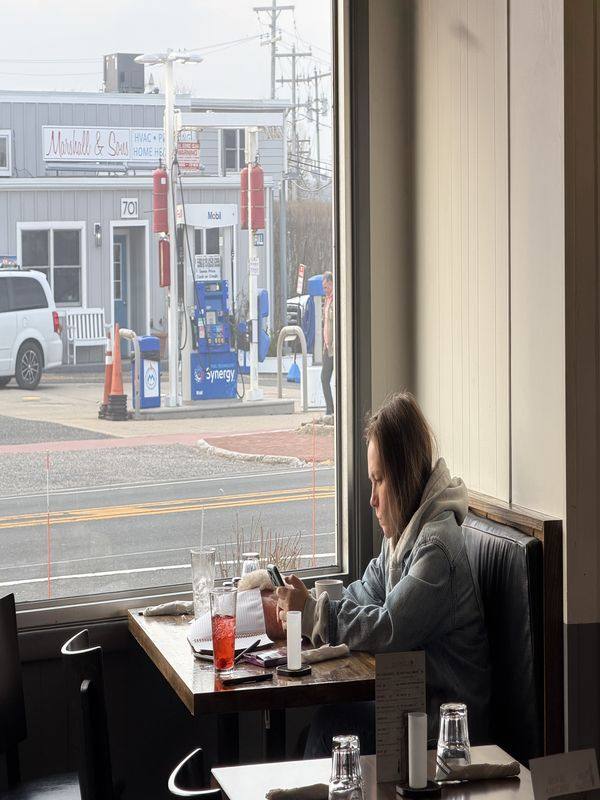
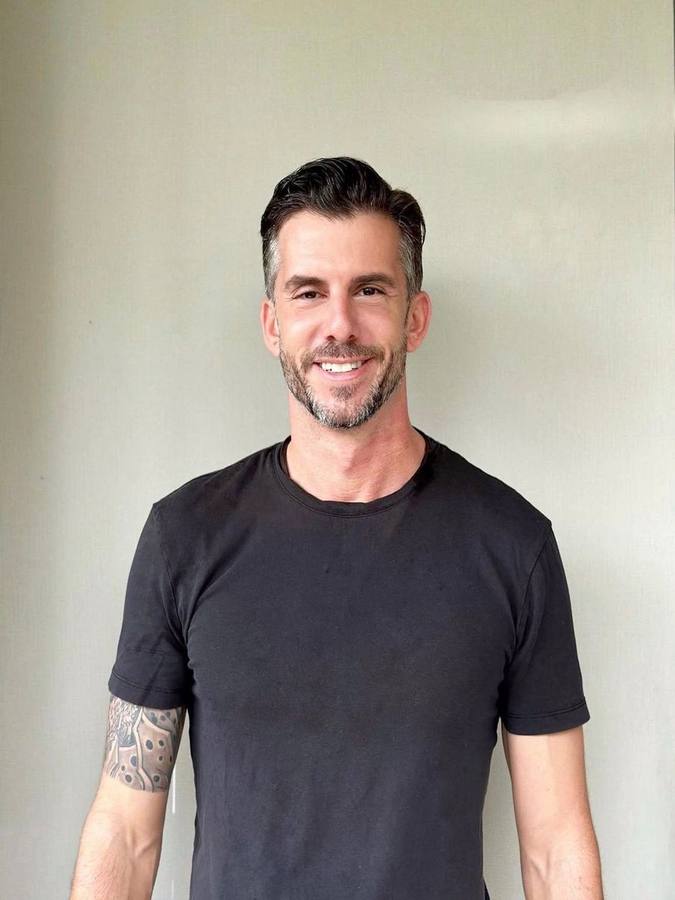
The world's largest directory
of healing journeys.

Real people. Real stories. Find someone who's navigated what you're navigating — and came back with something to offer.

Find my next step
✦ Stories matched to your condition & phase ✦ One weekly email, no noise ✦ Early access to Circles
96Stories
10Guides
97Practices
17Categories
Filter by what helped (91 practices)
Bodywork & Movement
Nutrition & Diet
Supplements & Compounds
Diagnostics & Testing
Nervous System & Mind-Body
Medical & Pharmaceutical
Psychedelic-Assisted
Frameworks & Methods
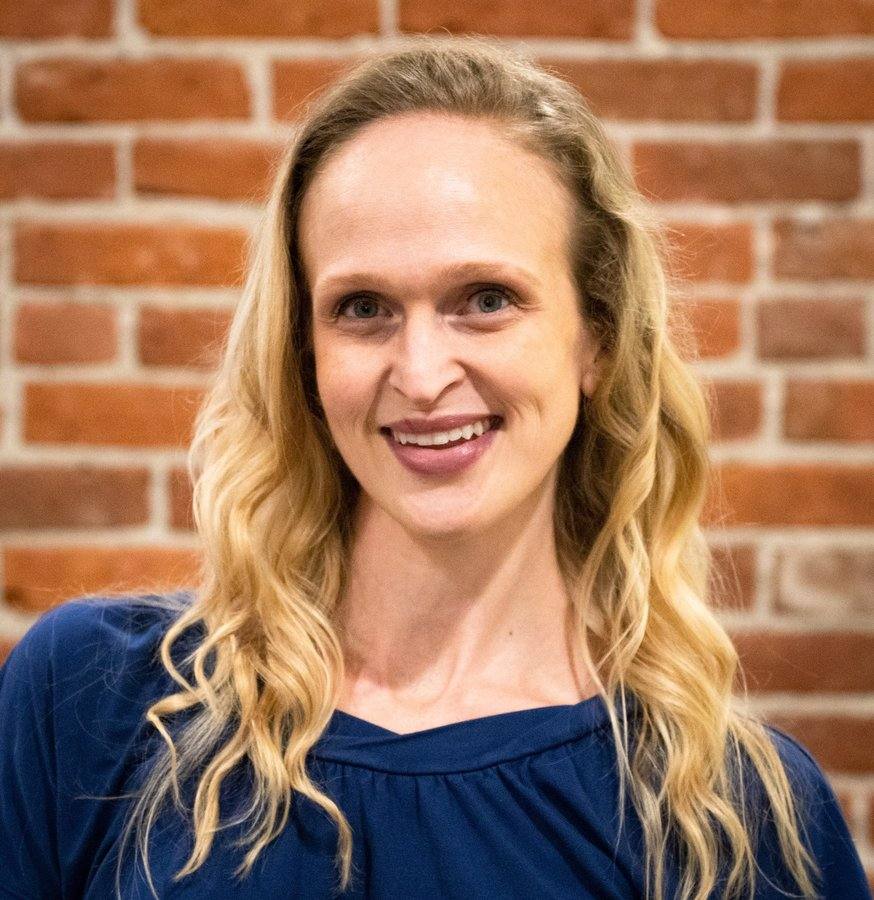
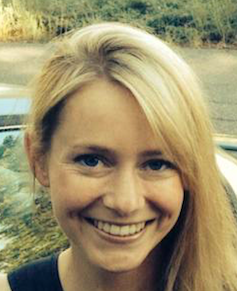
Rebecca
Rebecca
Talk to me about chronic pain, Long COVID, and nervous system recovery
Long COVID · chronic pain · IVF · surrogacy · nervous system recovery
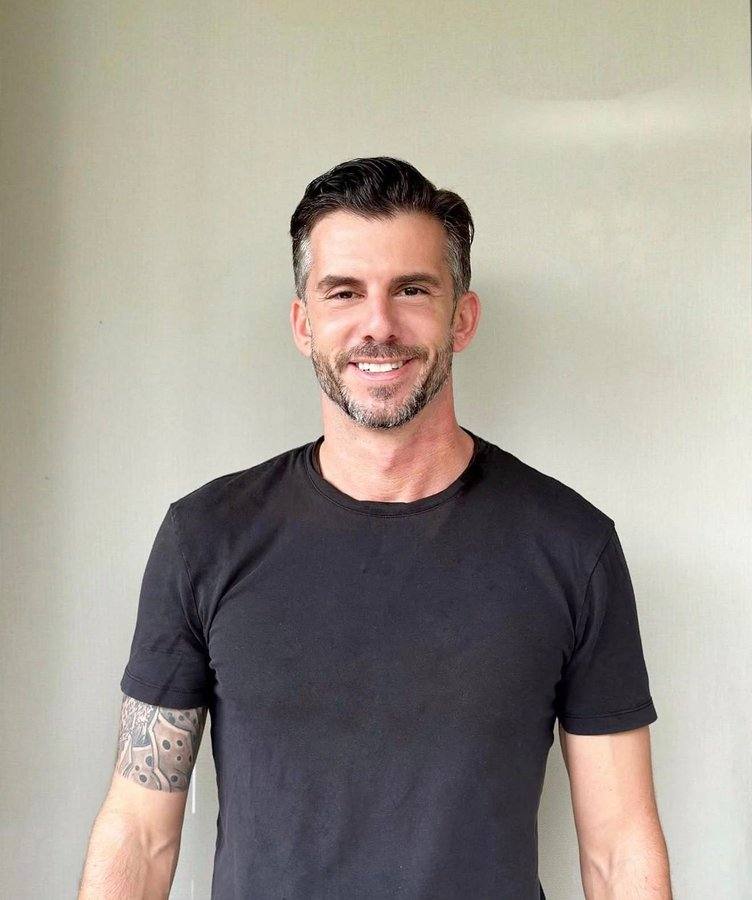
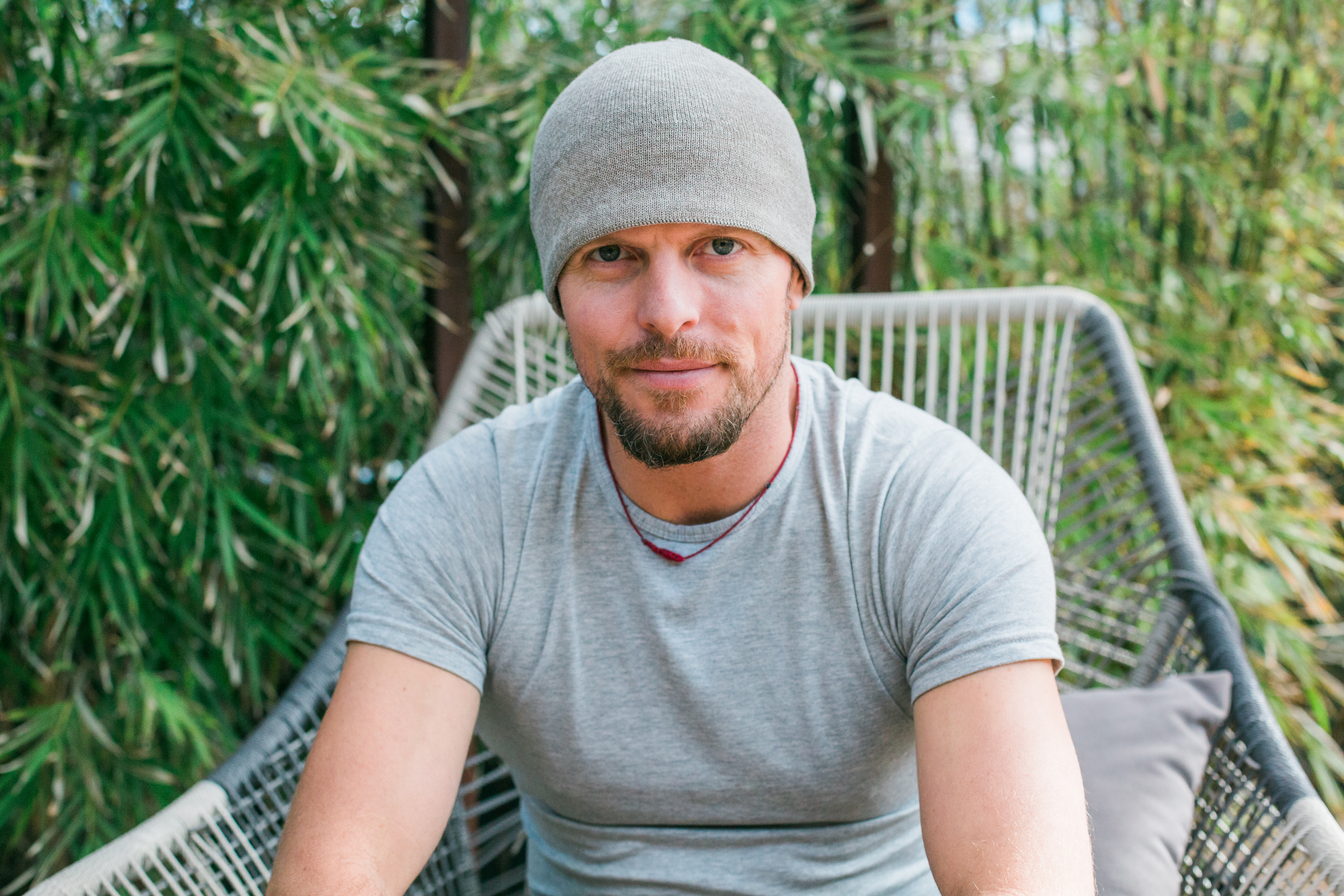
Dave G.
Dave
Talk to me about relapse & recovery
Bipolar · addiction · relapse
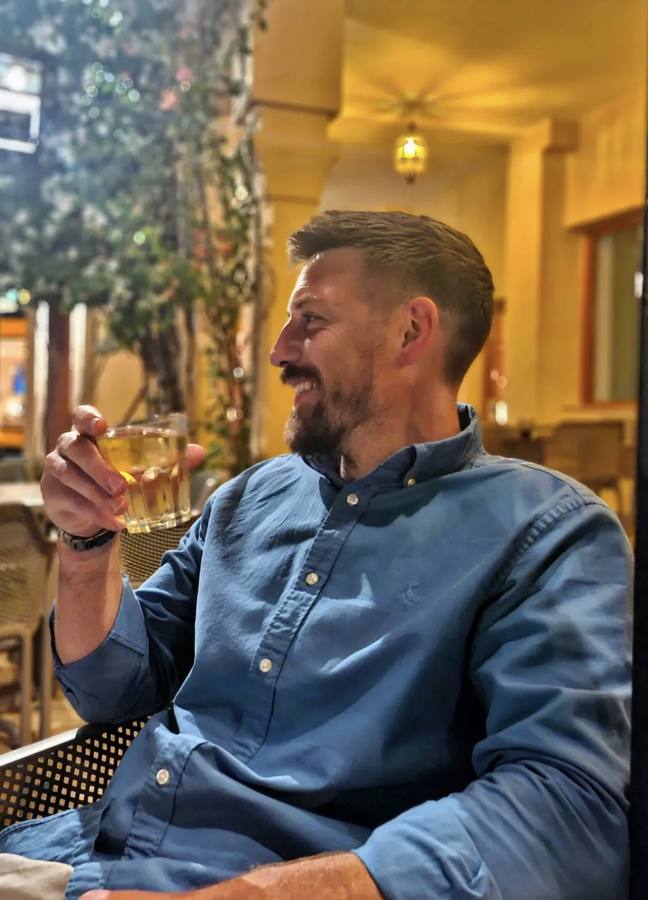
Harry Moles
Rebuilt after social anxiety
Harry · built an identity from scratch
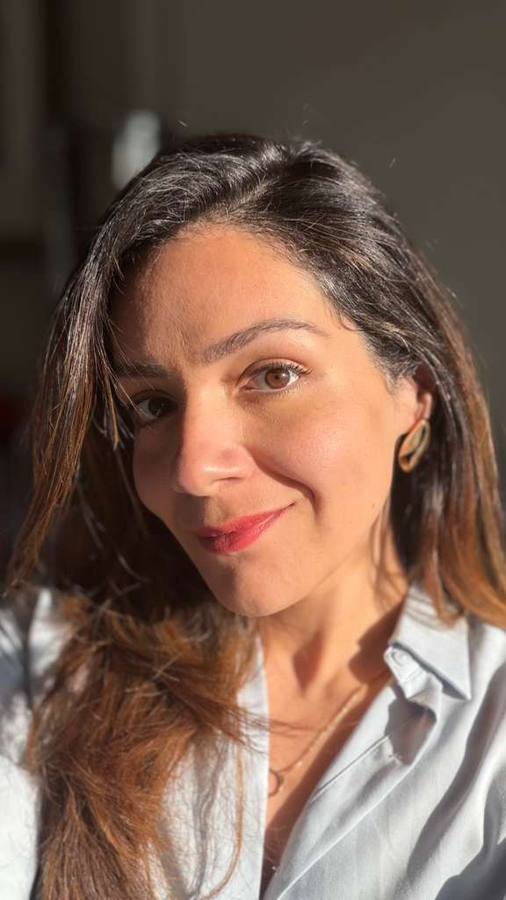
Ellen T.
Ellen T.
Talk to me about grief while life keeps going
Grief · caregiving · sandwich generation · high performance
Nanda
Nanda
Talk to me about Hashimoto's, lipidema & healing what doctors missed
EDS · Hashimoto's · lipidema · carnivore
Marushka
Marushka
Talk to me about surviving a brain hemorrhage, learning to trust your body, and untangling perimenopause from a brain injury
brain injury · migraine · perimenopause · self-trust
Sashka
Sashka
Talk to me about losing your mom young, becoming a mother without one & the grief that never leaves
maternal loss · motherless mother · grief · plant medicine
Catalina
Catalina
Talk to me about perimenopause
perimenopause · hormonal health · working mom
Jenny B
Jenny B
Nervous system · emotional stress · anxiety
Christy Collins
Christy
Talk to me about Long Covid recovery
Long Covid · POTS · PEM · viral persistence · microclots
Katherine May
Katherine
Talk to me about resting your way back to yourself
wintering · rest · chronic illness · neurodivergence · grief
Clancy Martin
Clancy
Talk to me about finding arguments to stay
suicide survival · addiction recovery · philosophy · mental health
Mikhaila Peterson
Mikhaila
Talk to me about what food can fix when medicine has no more answers
autoimmune · lion diet · CIRS/mold · depression · chronic pain
Dan Buglio
Dan Buglio
Talk to me about ending pain when nothing structural is wrong
chronic pain · TMS · mind-body · Pain Free You · nervous system
Dani Fagan
Dani Fagan
Talk to me about the feelings hiding underneath your pain
TMS · mind-body · yoga · JournalSpeak · chronic pain recovery
Chris Williamson
Chris Williamson
Talk to me about losing yourself to illness — and what it took to find out why
Lyme disease · mold toxicity · co-infections · brain fog · ozone therapy
Jeremy Renner
Jeremy Renner
Talk to me about coming back from injuries that should have ended everything
38 broken bones · hyperbaric · stem cells · peptides · mindset
Rebecca Tolin
Rebecca Tolin
Talk to me about healing ME/CFS after 13 years when every treatment failed
ME/CFS · neuroplastic healing · somatic · TMS · mind-body coaching
Chrissy Zmijewski
Chrissy Zmijewski
Talk to me about post-viral syndrome as a world champion athlete
post-viral syndrome · Long Covid · TMS · mind-body · world champion athlete
Gez Medinger
Gez Medinger
Talk to me about Long Covid when there are no answers — and how to build a life while you keep searching
Long Covid · MCAS · dysautonomia · PEM · antihistamines · pacing · patient research
Emma Barnett
Emma Barnett
Talk to me about endometriosis and IVF — and learning to stop fighting your body and actually listen to it
fertility · IVF · endometriosis · miscarriage · chronic pain
Ty Herndon
Ty Herndon
Talk to me about getting sober and coming out in country music — what it means to finally stop hiding
twelve-step · therapy · music as healing · Foundation For Love and Acceptance
Dr. Jessica Zucker
Dr. Jessica Zucker
Talk to me about the grief no one teaches you to hold — losing a pregnancy, and learning to speak about it
miscarriage · reproductive grief · maternal mental health · #IHadAMiscarriage
Alec Kassin
Alec Kassin
Talk to me about chronic pain that nothing physical could explain — and the mind-body connection that finally did
TMS · chronic pain · mind-body · Sarno · back pain · recovery
Erin Boelhower
Erin Boelhower
Talk to me about nine rounds of IVF, six losses, and what it takes to keep going
fertility · IVF · recurrent miscarriage · surrogacy · infertility advocacy
Sasha Joseph Neulinger
Talk to me about surviving what should never happen to a child — and what it means to make a film about it
childhood trauma · sexual abuse · PTSD · filmmaking · recovery
Leela O'Brien
Leela O'Brien
Talk to me about Long Covid that took everything — and the explorer mindset that helped me build something new
Long Covid · nervous system · NASA engineer · Joe Dispenza · Explorer Mindset
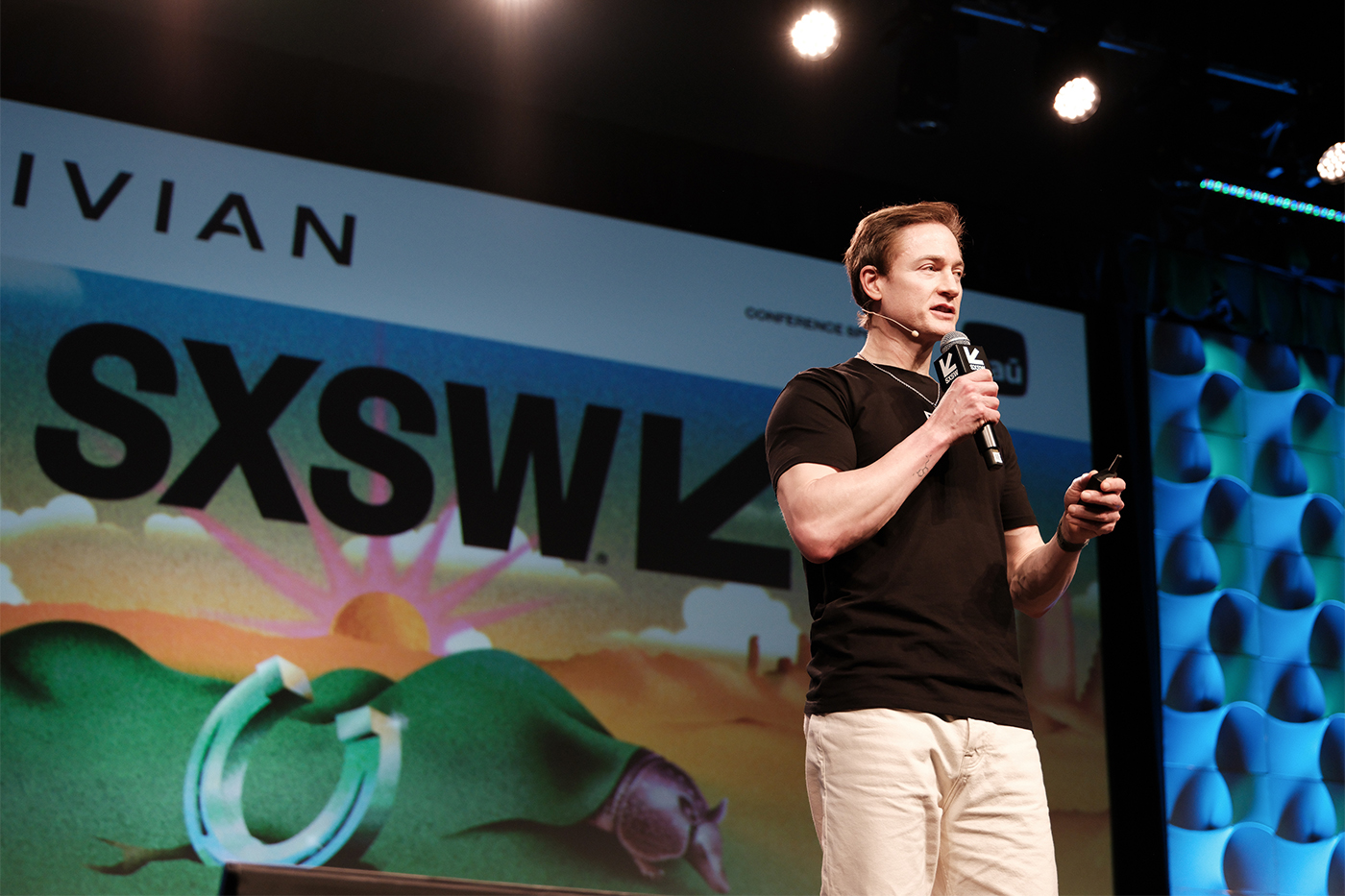
Tim Ferriss
Tim Ferriss
Talk to me about going from suicidal at 22 to building one of the most documented health protocols out there
Depression · trauma · Lyme disease · psilocybin · fear-setting · Johns Hopkins
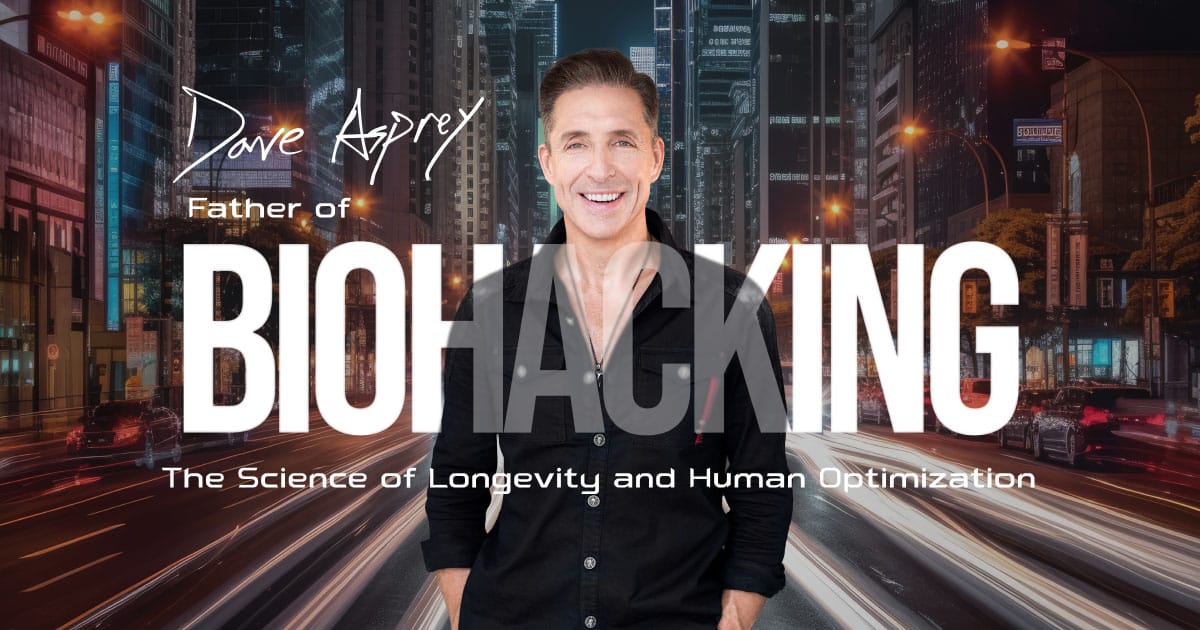
Dave Asprey
Dave Asprey
Talk to me about 300 pounds and 702 hours of wasted exercise — and the mold that was behind all of it
Biohacking · mold toxicity · Bulletproof · ketones · chronic illness · longevity
Nicole - My Long Recovery
Nicole
Talk to me about the slow, real work of coming back from Long Covid, ME/CFS, and POTS
Long Covid · ME/CFS · POTS · yoga · anti-inflammatory diet · pacing
Bryan Johnson
Bryan Johnson
Learn more from me about discovering my stomach is attacking itself, and building an open protocol to try to solve it
autoimmune gastritis · gut health · longevity
Suleika Jaouad
Suleika Jaouad
Learn more from me about leukemia at 22, a bone marrow transplant, relapse, and building a life inside uncertainty
leukemia · bone marrow transplant · cancer relapse
Geraldine Brooks
Geraldine Brooks
Learn more from me about my husband collapsing and dying in front of me, and the years it took before I let myself grieve
sudden spousal loss · delayed grief · widowhood
Shelby Forsythia
Shelby Forsythia
Learn more from me about what to actually say to someone grieving — and what I wish people had said to me
grief coaching · author · practical grief support
Ana Ally
Ana Ally
Learn more from me about Lyme disease, being told my condition was “degenerative,” and the 10-day silent Vipassana retreat that changed everything
Lyme disease · autoimmune · somatics
Jacob Appleton
Jacob Appleton
Learn more from me about losing my D1 tennis career to a moldy house, and the three things that actually got me back on the court
mold/mycotoxin illness · Lyme · Babesia
Michaela Kennedy Cuomo
Learn more from me about a decade of therapy that only got me so far, and the somatic method that let my body catch up
trauma · nervous system · somatic healing
Bethany Ugarte
Bethany Ugarte
Talk to me about nearly dying from gastroparesis — and what food protocols actually did what doctors couldn't
Gut Health · @lilsipper
Rebecca Zamolo
Rebecca Zamolo
Talk to me about IVF after a colon removal — multiple rounds, a miscarriage, and finally becoming a mom
Fertility · IVF · Pregnancy Loss
Dr. Cynthia Li
Dr. Cynthia Li
Learn more from me about being housebound for two years as a physician — and what actually got me off the couch
Autoimmune · Hashimoto's · Functional Medicine
Marcus Capone
Marcus Capone
Learn more from me about 13 years as a Navy SEAL, years of medication that didn't work, and what actually brought me back
PTSD · TBI · Veterans
Lindsey Vonn
Lindsey Vonn
Learn more from me about racing World Cup downhill on a knee replacement, then breaking my leg at the Olympics and finding out the mental battle was the harder one
Chronic Pain · Knee Replacement · Longevity
Rafael Nadal
Rafael Nadal
Learn more from me about a foot disease that almost ended my career at 19, and the anxiety at the peak of my fame that I hid until I couldn't anymore
Chronic Pain · Mueller-Weiss Syndrome · Anxiety
Jennifer Crystal
Jennifer Crystal
Talk to me about what it actually takes to get your life back, one tweak at a time
Lyme Disease · Chronic Illness · Patient Advocacy
🔍

We haven't found your guide yet — but we're looking

No one in our community has been through exactly this yet. Leave your email and we'll reach out the moment we match a guide to your experience.

✓ We've got your email — you'll hear from us soon.
or

Have you been through something like this yourself?
We're always looking for new guides.

Become a guide →

How it works

Find someone who's been through it
Browse healing journeys from real people. Find yourself in someone else's story. See exactly what helped them.
Join a guide's Circle
Get ongoing support from someone with lived experience. Not therapy. Not coaching. Someone who has actually been there.
Start your own Circle
Share your healing with a small, intimate group who shows up for you. Be witnessed. Track your progress. You don't have to do this alone.
Who should we add next?
Know someone with a powerful healing story — or a protocol we should feature? Tell us and we'll reach out.
✓ Thanks — we'll look into it.

What helped them

Tools and approaches from people who've been through it

💆
Rolfing
Used by Rebecca · Long COVID
🤲
Craniosacral therapy
Used by Rebecca · nervous system
🛋️
Dialectical behavior therapy (DBT)
Used by Dave · bipolar recovery
📊
Mood tracking
Used by Dave · pattern recognition
🏋️
Daily training (non-negotiable)
Used by Harry · discipline foundation
📖
Finding the Words
Used by Ellen · grief language
📚
Deliberate reading
Used by Harry · identity construction
🍳
Cooking her mother's recipes
Used by Ellen · staying connected
Rebecca
Rebecca
Long COVID · chronic pain · IVF · surrogacy

Rebecca

Talk to me about chronic pain, Long COVID, and nervous system recovery

Long COVID · vaccine injury · chronic pain · IVF · surrogacy · post-traumatic growth

Went from bedbound with a vaccine injury — couldn’t care for her newborn, could barely leave her room — to recovering, preparing for a second child, and founding Healingvrse. If your body stopped cooperating at the worst possible time, she gets it.

What we can discuss
Long COVID
Vaccine injury recovery
Chronic pain and migraines
IVF while chronically ill
Surrogacy
Burnout and returning to work
Nervous system dysregulation
Identity after illness
Post-traumatic growth
Holding life goals through a long recovery
Her story

In 2021, Rebecca was a founder and new mother when a vaccine injury disrupted her autonomic nervous system overnight. She couldn't sleep, couldn't function, could barely leave her room. And it hit at the worst possible moment — she had goals, a life she was building, and a second child she wanted. Suddenly she was trying to get well enough to pursue IVF without destabilising a recovery that was already fragile, knowing the process might make her sicker, and somehow holding all of that at once.

"You have to hold two truths at once — keep looking for solutions, and take the pressure off healing at the same time."

What followed was a long, non-linear recovery. She figured out that healing is multidisciplinary — physical, mental, spiritual, all at once. TMS and the mind-body connection gave her agency when nothing else had. Breathwork, elimination protocols, Western and Eastern medicine in parallel. But the thing she'd tell anyone at the start is self-compassion — not as a nice idea but as the actual foundation everything else has to be built on. She came back slowly. And she believes post-traumatic growth is real — the hard path doesn't just end in recovery, it ends in a version of you that couldn't have existed without it.

Rebecca is not a therapist or medical professional. This is peer support from someone who has been through it.

What helped her
💆
Rolfing
structural bodywork
🤲
Craniosacral therapy
nervous system regulation
🧘
Pacing protocols
energy management
🫁
Coherent breathwork
nervous system reset
🧠
TMS / transcranial magnetic stimulation
rewiring the brain
🔬
Functional medicine
root cause testing
🧬
Functional neurology
brain-body communication
🥩
Carnivore elimination protocol
inflammation & brain fog
💪
Isometric exercise program
rebuilding without crashing
🪡
Acupuncture
nervous system & pain relief
🎯
Exposure practices
gradual return to life
💻
Curable app & group therapy
mind-body pain approach
✍️
Writing / Substack
processing through expression
📖
Post-traumatic growth studies
turning the hard path into meaning
🤰
Surrogacy
fertility journey
🌿
PEA (palmitoylethanolamide)
300–600mg twice daily · calms overactivated mast cells and microglia · studied for neuropathic pain, fibromyalgia, osteoarthritis · well-tolerated in trials
🧪
Wobenzym (systemic enzymes)
papain, bromelain, trypsin, rutin · taken on empty stomach, 1hr+ from food · randomized trial showed comparable to diclofenac for knee OA pain
🧬
Magnesium glycinate
nervous system regulation and muscle relaxation · glycinate form for better absorption, less GI upset than oxide · supports pain and sleep
Stanton Migraine Protocol
developed by neuroeconomist Angela Stanton, PhD · theory: migraines are caused by a genetic channelopathy disrupting electrolyte balance in the brain · approach: low-carb or ketogenic diet + sodium, magnesium, and potassium optimization + eliminating sugar and common triggers · aims to resolve migraines without medication

Want to connect?

Healingvrse is a repository of guides — real people who've been through it. If someone here resonates, reach out.

Email us → friends@healingvrse.com
Dave G.
Dave
Bipolar · addiction · relapse

Dave G.

Talk to me about relapse & recovery

Bipolar · Mental Health · Addiction

42 years undiagnosed. Wrong medications, addiction, a manic episode that nearly derailed everything. Dave found his way to stability — and knows exactly what didn't work along the way.

What we can discuss
Bipolar — undiagnosed for decades
Addiction and relapse recovery (70 days in)
Rehab — what it's actually like and what works
Getting sober after using to cope with mental illness
Wrong medication triggering crisis
Relationship strain from mental illness

Peer support from lived experience — not medical or clinical care.

His story

Dave spent 42 years without a diagnosis. In that time he tried medications that made things worse, developed an addiction as a coping mechanism, and experienced a full manic episode triggered by the wrong prescription.

"I wish someone had told me sooner what I'm telling you now."

He's now stable, correctly medicated, and using dialectical behavior therapy (DBT) that gave him somewhere to put the relationship strain. He knows what the wrong path looks like — and what it costs you before you find the right one.

What helped him
💊
Correct diagnosis + medication
foundational
🛋️
Dialectical behavior therapy (DBT)
emotion regulation
📊
Mood tracking
pattern recognition
🤝
AA / 12-step work
addiction recovery
🔄
Relapse protocol
getting back up
🧠
Cognitive behavioral tools
thought patterns

Want to connect?

Healingvrse is a repository of guides — real people who've been through it. If someone here resonates, reach out.

Email us → friends@healingvrse.com
Jenny B
Talk to me about why mindset alone isn't working
nervous system · emotional regulation · abundance · mindset · stress recovery · self-growth

Jenny B

nervous system · emotional regulation · abundance · mindset · stress recovery · self-growth · humility

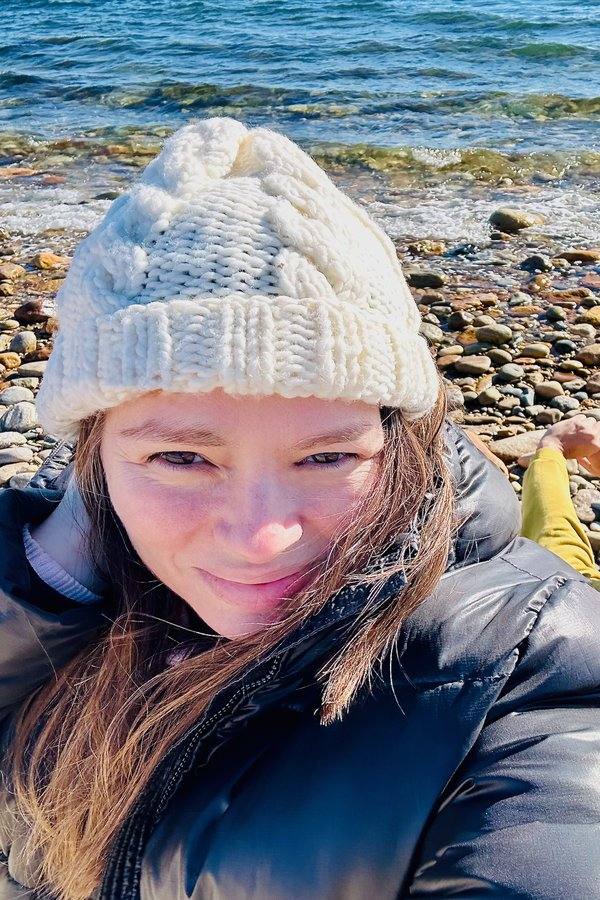
Spent years believing mindset alone would get her there — abundance thinking, the right books, the right practices — and kept hitting the same wall. Then she realized her nervous system was running on outdated data, and no amount of right-thinking could override what her body didn't yet believe. Now in her 40s, after the tail end of a decade of high stress, she's applying that same nervous-system-first lens to bigger territory — chasing real growth and "quantum leaps" without letting old fear and trauma patterns quietly run the show. She helps people understand the difference between forcing a new path and actually giving the system enough evidence to update. If you've been "doing the work" and wondering why nothing is moving, she gets it.

What we can discuss
Why mindset and manifestation aren't landing
Nervous system regulation after chronic stress
Facing fear around big goals or "quantum leaps" without letting old trauma patterns run the show
Working with money, relationship, or self-growth anxiety
Moving through difficult emotions without getting stuck in them
Breaking the loop of overthinking
Abundance work that actually feels true in the body
Using humility to find your own blind spots and stubborn patterns
Recovering from "always-on" / hyper-functioning mode

Peer support from lived experience — not medical or clinical care.

Her story

I could think the right thoughts, say the right things, even do the right practices — but my body didn't believe it. I'd been doing everything right and still hitting the same wall. And I think only in recent years has there been more language around why that happens.

"Your nervous system determines your actual path — not your mindset."

If your nervous system doesn't feel safe, it doesn't matter what you think. Your system defaults to protection — and protection doesn't care about your dreams or your goals, it only cares about survival. So if your internal blueprint is built on past stress, your system will keep recreating that, even if consciously you want something completely different.

The real shift is: you have to give your nervous system new evidence. Not just ideas — evidence. Repeatedly. And that's slow. That's daily. That's not something you can force.

"You're not broken — your system is just doing its job based on outdated information. Your job isn't to fight it, it's to update it."

Emotions move through your body in about 90 seconds. Anything beyond that is the mind looping the story. The suffering long-term isn't the emotion — it's the narrative you keep feeding it. Feel it, name it, but don't keep driving it home.

"Feel it, respect it, but don't build a life inside of it."

That same realization has kept evolving. These days, the work isn't just about getting through hard moments — it's about staying regulated while reaching for what she actually wants: flow, momentum, "quantum leaps" in her life and work. That requires emotional regulation not just under everyday stress, but in the bigger moments of fear — fear of a specific outcome, or a scenario that echoes an old trauma or pattern — and having real faith in herself and in the abundance she believes is meant to be hers. Now in her 40s, after what she calls the tail end of over a decade of high stress, she notices her old preconceptions and philosophy of life have genuinely dissolved; she values different things now and feels more aware than she expected to be at this stage.

Two things have mattered most in this later stage of the work. One is humility — recognizing that her reality has been shaped by things she was stubborn about, sometimes without even knowing it. Becoming humble is what lets the walls come down. The other is discipline: not just noticing a stressful moment or a repeating pattern, but actually stopping and switching in that exact moment — doing the small, literal "rep" of change, no matter how small, because that's what builds the new neural pathway rather than just recognizing the old one.

"When you become humble, the walls come down. The barriers come down and you're able to continue and move forward."
What helped her
🧠
The 90-second rule
an emotion moves through in 90s — anything after is the story loop
🎯
Catching the spiral in real time
is this the actual emotion, or am I now in the narrative?
🔄
Reframing as "outdated data"
my system is reacting from past inputs, not current reality
💙
Letting the body settle first
nothing decided in a dysregulated state is usually aligned
🌿
"I'm okay right now" as somatic anchor
small repetition over time updates the baseline
Repetition of safety, in small ways
small daily habits and thought practices; the blueprint updates from thousands of small confirmations, not one breakthrough
🙏
Humility as a door-opener
recognizing where she's stubborn or blind to her own patterns is what actually lets old walls and barriers come down
🔁
Doing the "rep" in the moment
the discipline to literally stop and switch right when a pattern shows up, building new neural pathways through repetition rather than just noticing the old ones

Want to connect?

Healingvrse is a repository of guides — real people who've been through it. If someone here resonates, reach out.

Email us → friends@healingvrse.com
Harry Moles
Rebuilt After Social Anxiety
Built an identity he actually respects

Harry Moles

Identity · Anxiety · Reinvention

Grew up in a small town with social anxiety and no sense of who he was. Built himself from scratch — through books, discipline, and deliberate discomfort.

What we can discuss
Rebuilding identity from scratch
Social anxiety blocking growth
Lonely with no sense of direction
Building confidence through discipline

Peer support from lived experience — not medical or clinical care.

His story

Harry grew up without much — no clear identity, crippling social anxiety, and a small-town environment that didn't give him much to work with. When his world expanded in his late teens, he wasn't prepared for it.

"Enjoyment followed discipline, not the other way around."
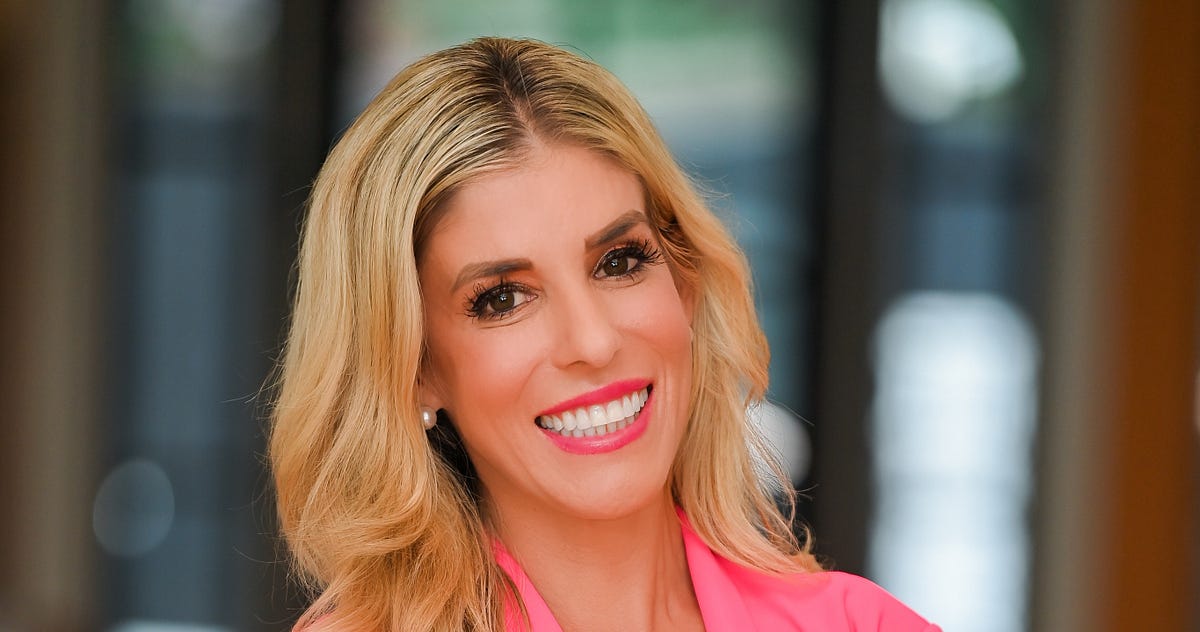
He built himself deliberately. Books first. Then daily training — not for aesthetics, but for resilience. Then systematic exposure to the things that scared him. He went back to university as a mature student, got a BA then an MA, and came out of his shell completely. The identity didn't arrive. He constructed it.

What helped him
🏋️
Daily training (non-negotiable)
psychological discipline foundation
📚
Deliberate reading
identity construction
Engineered intellectual friction
debate nights, diverse exposure
🚶
Systematic exposure work
social anxiety
🎓
University as identity rebuild
mature student path

Want to connect?

Healingvrse is a repository of guides — real people who've been through it. If someone here resonates, reach out.

Email us → friends@healingvrse.com
Ellen T.
Kept showing up while losing her mom
Work, kids, caregiving — all at once

Ellen T.

Talk to me about grief while life keeps going

Grief · Caregiving · Sandwich Generation · High Performance

If you lost someone and the world didn't stop to let you grieve, she gets it.

What we can discuss
Grief you can't show at work
Physically caring for a dying parent
Parenting through grief — holding it together for your kids
Finding language for grief
Staying present without numbing
Staying connected to someone you've lost
Her story

Ellen's mom was bed-bound for a year and a half before she died. Ellen was the one showing up — learning how to give physical care, doing things she never imagined doing — while also raising her own kids and holding down a demanding senior job. There was no pause button. She had to be present for everyone at once, and she did it without numbing out. No alcohol, no checking out — just showing up raw.

"I'm not on the other side of it. I'm just learning how to carry it without it carrying me."

A work coach she trusted told her something that stuck: "They care about you, but they can't give you a pass forever. You have to behave like a professional." It was exactly what she needed to hear. She stopped bringing grief to work and started taking it on walks — first talking to her mom out loud, then weaning off podcasts, then just listening. Birds, wind, silence. It became a practice. She's still in it, still figuring it out. If your world didn't stop when someone you loved was dying, she gets that particular kind of exhausting.

What helped her
📖
Finding the Words — Colin Campbell
a grief book that gave language to the loss
🛋️
Working with a grief counsellor
learning to regulate emotions at work
🚶
Mindful walking — no phone, no podcasts
just listening to birds; started as talking to her mom, became a meditation
🍳
Cooking her mother's recipes
staying connected through food
🍽️
Cutting out sweets
noticing comfort food patterns, cleaning up her diet
🚫
Choosing not to numb
no alcohol, no substances — staying present through the hard parts

Want to connect?

Healingvrse is a repository of guides — real people who've been through it. If someone here resonates, reach out.

Email us → friends@healingvrse.com
Nanda
Nanda
EDS · Hashimoto's · lipidema · carnivore

Nanda

Talk to me about Hashimoto's, lipidema & healing what doctors missed

EDS · Hashimoto's · Lipidema · Carnivore · Hypopressives

At 36, Nanda has lived with EDS since childhood and brought Hashimoto's into remission, healed her diastasis and pelvic floor, and figured out lipidema — by reading books, questioning everything, and refusing to accept "just manage it."

What we can discuss
Hashimoto's & thyroid disease — the Lugol iodine protocol that put hers in remission
Lipidema — understanding it, getting diagnosed, and managing it when doctors dismiss you
Leaky gut & autoimmune root causes
Carnivore diet — how to start, sustain it, and adapt it to your condition
Diastasis recti & pelvic floor repair through hypopressives breathwork
PCOS — what she did to resolve it
EDS & hypermobility — living and training with it
Insulin resistance & pre-diabetes management

Peer support from lived experience — not medical or clinical care.

Her story

Nanda was five years old when she was diagnosed with EDS (Ehlers-Danlos Syndrome) in Brazil — a connective tissue disorder that shaped the next three decades of her life. Growing up, she wore casts on almost every joint, managed relentless digestive issues, and watched her body react in ways doctors couldn't explain. By her late twenties, living in the US and newly married, she had Hashimoto's thyroiditis, PCOS, and a leaky gut so inflamed that even fiber made things worse. American medicine, she found, was more interested in managing symptoms than finding causes. She decided to become her own investigator.

"I would tell God: I'm doing my part, I'm trying. And then these things come across my path. I want to be the answer of prayers to someone."

She read books. She found Dr. David Brownstein's Lugol iodine protocol and followed it precisely — her Hashimoto's went into remission, her PCOS resolved. After her son was born, she developed diastasis recti and pelvic prolapse. Within a single week of starting hypopressives — a breathwork and posture technique with 30 years of research behind it — her diastasis closed, her lower back pain disappeared, and her pelvic floor recovered. She now teaches hypopressives online to clients in Finland, Chicago, and Florida. Most recently, after years of being told her body was "just genetics," she received a diagnosis of lipidema and has been managing it through carnivore diet and microdosed tirzepatide. Nanda is a statistician, a former law student, and an artist by heart. She grew up in Brazil, where medicine aims to heal — not manage. That's the lens she brings to everything. She's not anti-Western medicine, not attached to any protocol as ideology — she uses tirzepatide because the research is there and her body responds, she does carnivore because of the physiology, not the politics. But she's not willing to accept a system that hands you a prescription and calls it care. Brazil gave her something different: a culture where the body is approached with more wholeness, where healing is the actual goal. That's what she brings.

What helped her
🥩
Carnivore diet
leaky gut · lipidema · insulin resistance
🧪
Lugol iodine protocol (Dr. Brownstein)
Hashimoto's in remission
🌬️
Hypopressives breathwork
diastasis · pelvic floor · back pain
💊
Tirzepatide microdosing
lipidema management
🏋️
Heavy strength training
EDS · hypermobility control
🫀
EFT (emotional freedom technique)
stored trauma release
🧂
Minerals protocol
dysautonomia · low blood pressure · EDS
📖
Writing an e-book on hypopressives
turning lived experience into something shareable
📚
Deep self-directed research
books · protocols · root causes

Want to connect?

Healingvrse is a repository of guides — real people who've been through it. If someone here resonates, reach out.

Email us → friends@healingvrse.com
Marushka
Marushka
brain injury · migraine · perimenopause · self-trust

Marushka

Talk to me about surviving a brain hemorrhage, learning to trust your body, and untangling perimenopause from a brain injury

Brain injury recovery · Cerebral cavernoma · Migraine · Perimenopause · Self-trust

Two years ago Marushka had a hemorrhagic stroke from an undiagnosed cerebral cavernoma that had likely been growing in her brain for two decades. She survived emergency brain surgery with almost no lasting damage, and is now sorting out which of her ongoing symptoms — fatigue, brain fog, light sensitivity — belong to the injury and which belong to early perimenopause.

What we can discuss
Surviving a sudden brain bleed and emergency brain surgery
Getting dismissed by a doctor for years before the real diagnosis surfaced
Learning to trust your body, especially when a doctor has dismissed you before
Living with post-injury light sensitivity and migraines
Sorting perimenopause symptoms from lingering brain-injury symptoms
Weighing GLP-1s and HRT and deciding, for now, against both
Finding real rest only in the wake of a medical crisis — and wanting a way there without one

Peer support from lived experience — not medical or clinical care.

Her story

Two years ago, Marushka had a hemorrhagic stroke caused by a cerebral cavernoma (a cluster of blood vessels in the brain) that had likely been growing undetected for around 20 years before it ruptured. She went to the hospital thinking she was having an aneurysm and learned she'd had a brain bleed, requiring emergency brain surgery to remove it.

In the immediate aftermath she had blind spots, speech trouble, and difficulty reading — she couldn't put letters together to form words. Those symptoms resolved. She has never had seizures or severe migraines, and she just passed her two-year scan with no recurrence expected. The lasting symptom is what she calls light sensitivity: toward the end of the day, at dusk, or under a single light source, she struggles to read screens or see clearly. Her neurologist suspects it may be migraine-related given where the cavernoma was, and she's trialing a monthly migraine injection with mixed results so far, alongside a supplement protocol built from full bloodwork.

Layered on top of that, she believes she's entering perimenopause — weight gain, fatigue, brain fog, odd symptoms like itchy ears — that overlap confusingly with her brain-injury fatigue and light sensitivity. Hormone testing came back "fine," but she knows that's a snapshot, not the full picture. She's wary of GLP-1s (mostly afraid of hair loss, and wanting to try managing it herself first) and hasn't pursued hormone replacement therapy, having been told early on that she may not be a candidate.

Looking back, she's frustrated that a neurologist dismissed her migraine complaints in her 20s and never ordered a scan — likely, she suspects, because she was "a 20-year-old woman saying she had a headache." But she's also made peace with it: not knowing meant 20 years without living in fear of a catastrophic event, at a point when the cavernoma was small and there wasn't much to be done anyway.

"You just have to trust your body — especially women, I think we just have a feeling, and you have to trust yourself. Doctors don't always know what's best."

She's also named something harder to sit with: the forced rest of her hospitalization and recovery was one of the only times in memory she felt truly able to relax and stop caring about work — restorative, and, in her words, "kind of dark," since it took a brain bleed to get her there. She's still looking for a way to access that same rest without a medical crisis forcing it. Her focus right now is simpler: getting back into physical shape, not for a number on a scale, but to feel comfortable and "physically right" in her body again after losing the running and self-care routine she kept for years.

What helped her
🏥
Emergency brain surgery
removal of the cerebral cavernoma · life-saving
🧠
Ongoing neurology follow-up & biennial MRI scans
monitoring · confirmed no recurrence
💉
Monthly migraine injection (in progress)
trialed for light sensitivity/migraines · mixed results so far
💊
Bloodwork-guided supplements — Thorne Methyl-Guard, Riboflavin 400mg, Vitamin D3 10,000 + K2
methylation support · migraine-dose B2 · bone/immune support
🏃
Exercise & hydration
baseline daily support
🫁
Trusting her own instincts over dismissive medical opinions
what got her to the hospital and to follow-up testing in the first place

Want to connect?

Healingvrse is a repository of guides — real people who've been through it. If someone here resonates, reach out.

Email us → friends@healingvrse.com
Sashka
Sashka
maternal loss · motherless mother · grief · plant medicine

Sashka

Talk to me about losing your mom young, becoming a mother without one & the grief that never leaves

Maternal loss · Motherless mother · Early grief · Plant medicine · Creative healing

At 45, Sashka lost her mother to brain cancer at 18 — and spent the decades since learning how to survive that, build a life from scratch, and eventually become a mother herself with no mother to call. She did it through music, cooking, travel, finding her people, and the particular invincibility that only grief can build.

What we can discuss
Losing a parent young — the shock, the orphan feeling, the long tail
Becoming a mother without a mother — the specific grief of that milestone
Caretaking a dying parent as a teenager or young adult
Rebuilding after total loss — no home, no money, no map
Grief as a superpower — what that actually means when you get there
Psilocybin therapy — her experience and what it opened
Creative practices as survival — music, cooking, making things
Finding your people — especially older women who hold space

Peer support from lived experience — not medical or clinical care.

Her story

Sashka was born in Palm Springs to a Bulgarian father who threatened to kidnap her and a mother who chose to protect her — so at age one, her mom took her and left, and Sashka never saw her father again. Her mom was a single mother, a public school educator and temple preschool director, a woman who meditated every day and was also, always, under enormous stress. Then, the September of Sashka's senior year of high school, her mother was diagnosed with a grade three astrocytoma — encased in her brain stem, inoperable. Sashka became her caretaker. She drove to Stanford for chemo and radiation. She managed the home. Eleven months later, her mother died, two weeks before college was supposed to start. She had no family home to return to. Almost no money. The path she'd imagined — law school, the UN, an international career — disappeared from anywhere she could access it. What kept her alive in those years: recording music, culinary school, creative practice. Finding the kind ones. The patient older women who didn't care if she was messy, who didn't leave.

"The ones that don't indulge your extreme flailing — but don't leave. The Berkeley therapist ones. Those were the people."

She traveled. She met her husband. They lived in Singapore. She built a startup: a crowdfunding platform for people going through cancer treatment — processing her own grief while building something for other people living inside theirs. And then she had her son, and the grief came back in a new shape: the animal fact of becoming a mother without a mother. She found her way to psilocybin therapy, to somatic work — learning, slowly, that it was safe to come back into her body, to feel things rather than over-intellectualize them. Being away from the body, she says, caused its own kind of harm. She's now building a new company, with a beta launching soon. She describes grief as an invincibility — something she wishes she'd understood as a superpower much earlier.

What helped her
🎵
Music — recording, playlists, live shows
survival · grounding · ongoing lifeline
🍳
Cooking & culinary school
early grief · embodiment · creative anchor
🌊
The ocean & hiking
regulation · perspective · ongoing
🌿
Psilocybin therapy
grief processing · integration
🫂
Finding older women to be close to
the patient, wise ones who don't leave
🧭
Travel & expat living
rebuilding identity · perspective
🏘️
Putting down roots & building community
belonging · the antidote to endless moving
🏃
Getting into the body — walking, hiking, movement
somatic return · getting out of the head

Want to connect?

Healingvrse is a repository of guides — real people who've been through it. If someone here resonates, reach out.

Email us → friends@healingvrse.com
Catalina
Catalina
perimenopause · hormonal health · working mom · information overload

Catalina

Talk to me about perimenopause, navigating the noise, and figuring it out while life doesn't stop

Perimenopause · Hormonal health · Working mom · Information overload · Postpartum to midlife

Catalina is in the middle of it — mid-40s, little kids, aging parents, a full life — and a body that started changing before she had the language for what was happening. She's been doing the research, talking to new doctors, sorting signal from noise, and figuring out what a real protocol looks like when you can't afford to stop everything to figure it out.

What we can discuss
Perimenopause — what it actually is and how to recognize it
Night sweats, mood changes, exhaustion, brain fog — the real symptom list
Navigating information overload — too many apps, experts, and conflicting advice
Doctors who dismiss you — and how to find ones who don't
Non-standard lab tests worth considering
Hormones vs. natural approaches — figuring out what you actually want
Postpartum to perimenopause — when it all blurs together
Doing this with little kids, a job, and aging parents

Peer support from lived experience — not medical or clinical care.

Her story

A couple of years ago, Catalina started noticing things. More exhaustion. Moodiness she couldn't explain. And then the night sweats — which was what made her start reading. She'd heard of menopause, but not perimenopause: the years-long process before your period actually stops, which she was clearly in the middle of. She went to her doctor. The response was essentially: welcome to your 40s. Not helpful.

"I feel like I've been in postpartum, then figuring out my body again, then this — it's just a lot of life all at once."

She started doing the research herself — articles, books, apps, a new wave of hormone-focused doctors. She's looking into non-standard lab tests. She's trying to figure out whether she wants to go the hormone route or stay more natural for now, and she's not there yet. What she knows is that the information landscape is overwhelming — too many young-looking experts, too many conflicting protocols, too much noise. She's also coming out of three years of postpartum fog, which blurred into this. This summer she's starting with the basics: movement again, better food, less chaos. She's building a protocol that fits her actual life — full-time work, two little kids, a husband, aging parents. She doesn't have answers yet. But she knows the territory intimately, and she knows how to sort signal from noise.

What helped her
📚
Books on perimenopause
understanding what's happening · naming it
🩺
Seeking out new, better doctors
beyond the "welcome to your 40s" response
🧪
Non-standard hormone lab tests
getting real data rather than guessing
🏃
Getting back to movement
the foundation everything else builds on
🥗
Eating and drinking differently
starting simple · building from there
💊
New vitamins and supplements
after postpartum depletion · starting fresh

Want to connect?

Healingvrse is a repository of guides — real people who've been through it. If someone here resonates, reach out.

Email us → friends@healingvrse.com
Christy Collins
Christy
Long Covid · POTS · post-exertional malaise · viral persistence · microclots

Christy Collins

Talk to me about Long Covid, viral persistence, and figuring out your own protocol when medicine has no answers

Long Covid · POTS · Post-exertional malaise · Microclots · Viral persistence · Thymic peptides

In February 2023, Christy got Covid and never got better. Within weeks she had severe POTS and post-exertional malaise so bad that walking to the kitchen felt like running a marathon. Over the next two years, she researched obsessively, tested at Dr. David Putrino's lab at Mt. Sinai, found microclots in her blood, worked with doctors most people never find, and built a meticulous protocol — and by October 2024, her PEM was gone. She documents everything on her Substack with full dosages.

What we can discuss
POTS — dysautonomia, blood flow, not being able to be upright
Post-exertional malaise (PEM) — what it actually is and how she recovered from it
Microclots and hyperactivated platelets — testing and anticoagulant therapy
Viral persistence — the theory that the virus is still in your body, and what to do about it
Thymic peptides (Thymogen Alpha 1, Thymosin Alpha 1) — her experience and what shifted
Glutathione pathway and mitochondrial support
Navigating Long Covid when doctors have no answers
Building your own evidence-based protocol from research papers

Peer support from lived experience — not medical or clinical care. Christy publishes her full protocol on her Substack: longcovidbegone.substack.com

Her story

Christy thought she was one of the lucky ones. Her acute Covid infection in February 2023 was mild — low fever, cold symptoms for ten days, then her nose cleared up. But as her cold symptoms got better, the rest of her got worse. By weeks two and three, she couldn't walk to the kitchen without feeling like she'd run a marathon. She developed POTS: if she stayed upright for more than twenty minutes, she'd start to black out. Strange new symptoms kept appearing — lung problems that woke her at night, painful tingling when she lay still, visible veins snaking across her feet. Doctors at urgent care and the ER told her everything looked normal.

"I felt like there was an alien living in my body with me, messing up all of the chemical reactions it needed to create energy. Like my body wasn't fully mine."

In May 2023, she was accepted into a study at Dr. David Putrino's lab at Mt. Sinai in NYC. She tested positive for both microclots and hyperactivated platelets. A doctor in Birmingham prescribed her dual anticoagulant therapy — the first time she could feel music again, feel her emotions again, feel blood actually reaching her brain. It raised her baseline enough to survive, but it wasn't a cure. Then in February 2024, she read a preprint suggesting that high anti-spike antibodies in severe Long Covid patients might indicate the virus was still replicating. Her own antibodies were off the charts. She faced the thing she'd been most afraid of: the virus was probably still in her body. So she built a siege. Three pillars — mitochondrial support, antivirals, and thymic peptides to help her immune system finally see and clear infected cells. By August 2024 she was taking Thymosin Alpha 1 injections and having a brutal herx reaction. She nearly quit. Then, a few weeks after stopping, she drove 3.5 hours from upstate New York to Boston without needing to stop and rest her arms. She hadn't been able to do that since before Covid. Her PEM was gone. She has been stable for over a year.

What helped her
💉
Dual anticoagulant therapy (apixaban + clopidogrel)
microclots · POTS · Dr. Jordan Vaughn, Birmingham AL
🧫
Liposomal glutathione (550mg daily)
antioxidant · immune support · mitochondria
CoQ10 (50mg daily) + Niacinamide
mitochondrial support · energy production
🧬
Thymosin Alpha 1 peptide (subcutaneous injections)
immune stimulant · the gamechanger for PEM
💊
Thymogen Alpha 1 (oral capsules)
thymic peptide · immune signalling · easier starting point
🥥
Foundation nutritional protocol
virgin coconut oil · garlic · probiotics · omega-3s · matcha · methylated B12 · Vit D
🔬
Microclot testing at Dr. Putrino's lab (Mt. Sinai, NYC)
named the problem · opened the door
📖
Obsessive research — preprints, X/Twitter community, papers
self-directed protocol design · no doctor had the answers
🏊
Swimming + core exercises (post-recovery)
rebuilding fitness · no PEM when she exercises now

Christy publishes her full protocol with exact dosages at longcovidbegone.substack.com — including a cheat sheet and printable Google Doc.

Join her Circle

Christy isn't a Healingvrse guide yet — but if enough people ask, we'll reach out. Leave your email and tell us what you're going through.

✓ Got it — we'll be in touch.
Read her full protocol on Substack →
Katherine May
Katherine May
wintering · rest · chronic illness · late autism diagnosis · grief

Katherine May

Talk to me about resting your way back to yourself — and what to do when life goes dark

Wintering · Rest · Chronic Illness · Late Autism Diagnosis · Grief · The Clearing

In 2018 everything collapsed at once for Katherine May — her husband became suddenly ill, she developed her own health problems and had to leave her job, and her young son was struggling at school. She was in what she calls a "wintering" — one of the fallow, dark seasons of life that strip everything back. Instead of pushing through, she leaned in. She walked, swam in the cold sea, rested. She wrote about it. The book became a global phenomenon, read by millions looking for permission to stop performing okayness. She later discovered she is autistic, and wrote about that too.

What she writes about
Wintering — the fallow seasons of life, and how to survive them without fighting them
Rest as medicine — not laziness, not giving up, but radical restoration
Chronic illness — when your body forces you to stop
Late autism diagnosis — discovering neurodivergence in midlife
Grief without a tidy ending — sitting with loss that doesn't resolve
Enchantment — finding wonder and meaning again after hard seasons
How to be with yourself in difficulty, not just through it

Community story — not a Healingvrse guide yet. Read her newsletter at katherinemay.substack.com

Her story

Katherine May is a British author living in Whitstable, UK — a seaside town she's walked and sea-swum her way through many dark seasons. In 2018 her life came apart. Her husband fell seriously ill. She developed her own health condition — fatigue and pain that left her unable to work. She withdrew her son from school. Everything she had built quietly stopped.

"Plants and animals don't fight the winter; they don't pretend it's not happening and attempt to carry on living the same lives that they lived in summer. They prepare. They adapt. They hunker down."

She started writing about what she was doing instead of pushing through: walking in the cold, swimming in the sea, sleeping, lighting candles, reading myth. She called it wintering — borrowing the word from the natural world, where fallow periods are not failures but necessary rhythms. The book she wrote, Wintering: The Power of Rest and Retreat in Difficult Times, became a BBC Radio 4 Book of the Week, a New York Times bestseller, and a quiet companion for millions of people who'd never seen their own darkness named so precisely.

Later, Katherine discovered she is autistic — a diagnosis she chronicles in The Electricity of Every Living Thing. It reframed everything: the exhaustion, the overwhelm, the need for retreat that others had always called oversensitivity. Now she runs The Clearing on Substack, a newsletter and community for "wild minds, winterers and enchantment-seekers" — people who know what it is to go dark, and want to find the way back through.

What helped her
🌊
Cold sea swimming
nervous system reset · sensory grounding · ritual
🚶
Walking in all weather
daily practice · being with nature · getting out of the head
📚
Myth, folklore and literature
finding language for darkness · not being alone in it
🕯️
Wintering rituals
candles, warmth, slowness — leaning into the season
✍️
Writing and journaling
making sense of the experience · finding the thread
🧩
Late autism diagnosis
understanding why rest isn't optional for her — it's structural
🌿
Enchantment seeking
finding wonder in small things · the practice of noticing

Join her Circle

Katherine isn't a Healingvrse guide yet — but if enough people ask, we'll reach out. Leave your email and tell us what you're going through.

✓ Got it — we'll be in touch.
Read The Clearing on Substack →
Dan Buglio
Dan Buglio
chronic pain · TMS · mind-body · Pain Free You · nervous system

Dan Buglio

Talk to me about ending pain when nothing structural is wrong

Chronic Back Pain · Sciatica · TMS / Mind-Body · Pain Free You · Nervous System Healing

Dan Buglio spent 11 years in debilitating chronic back pain and sciatica — his body literally bent crooked from it. He found Dr. John Sarno's work on TMS (Tension Myositis Syndrome) early on, but it took another 12 years to crack the code. The missing piece wasn't knowledge — it was mindset. He now posts daily YouTube videos at Pain Free You and has coached over 2,000 people out of chronic pain using the same principles that finally freed him.

What he talks about
Chronic back pain, sciatica, and other persistent pain that doesn't respond to structural treatments
Why MRIs and medical diagnoses often don't explain chronic pain — and what actually does
TMS (Tension Myositis Syndrome) — the brain-body mechanism behind most chronic pain
The mindset shifts that actually move the needle when Sarno's work alone didn't stick
Breaking the pain-fear cycle — why monitoring and catastrophizing keeps pain alive
Returning to normal activity and life despite pain — and why that's part of the cure

Community story — not a Healingvrse guide yet. Watch daily: Pain Free You on YouTube

His story

Dan Buglio spent 11 years in chronic back pain so severe it bent his body sideways — literally crooked from the tension and guarding. He tried every mainstream treatment. Nothing worked. One year into his pain, he discovered Dr. John Sarno's work on TMS — the idea that most chronic pain is caused by the brain suppressing emotions, not by structural damage in the body. Sarno's theory was right. But healing still took another 12 years.

"I wasn't in pain because my body was crooked. I was crooked because I was in pain."

The problem, Dan found, was that Sarno's instructions were frustratingly vague. "Think psychological. Talk to your brain." What does that actually mean? He spent years in forums, wikis, and mindbody workshops trying to decode it. Eventually he cracked it — and the missing piece was mindset: not just understanding TMS intellectually, but changing the way you relate to pain moment to moment. Fear, hypervigilance, body-checking, catastrophizing — these keep the nervous system stuck in a danger signal. When you genuinely stop interpreting pain as a structural threat and resume normal life, the signal has no reason to continue.

He now posts a free video every day at Pain Free You, has coached thousands of people out of chronic pain, and wrote a book distilling everything he learned.

What helped him
🧠
TMS education — Dr. John Sarno's work
understanding pain as a brain signal, not structural damage · "Healing Back Pain" · "The Mindbody Prescription"
💭
Mindset retraining
his core insight beyond Sarno · shifting from fear and monitoring to indifference and confidence
✍️
Daily thinking and writing
30 minutes of emotional processing · surfacing what the unconscious is protecting you from feeling
🏃
Resuming normal physical activity
returning to life despite pain · not protecting or guarding the body · exposure as treatment
🔄
Breaking the pain-fear cycle
stopping body-checking and catastrophizing · treating pain as a communication, not a threat
📚
Psychology and nervous system study
understanding how the brain creates and maintains pain · the role of emotions and stress

Join his Circle

Dan isn't a Healingvrse guide yet — but if enough people ask, we'll reach out. Leave your email and tell us what you're going through.

✓ Got it — we'll be in touch.
Watch Pain Free You daily videos → painfreeyou.com →
Dani Fagan
Dani Fagan
TMS · mind-body · yoga · JournalSpeak · chronic pain recovery

Dani Fagan

Talk to me about the feelings hiding underneath your pain

Chronic Back Pain · TMS · Mind-Body · JournalSpeak · Yoga · Nervous System · Emotional Recovery

Dani Fagan spent three years in debilitating back pain that put her in a wheelchair — on top of a lifetime of migrating symptoms: IBS, tinnitus, vertigo, insomnia, headaches. Dr. John Sarno's book changed everything. She healed through emotional discovery work, JournalSpeak journaling, yoga, breathwork, and sound healing — and now runs My TMS Journey, one of the most comprehensive mind-body recovery resources online.

What she writes and teaches about
TMS and mind-body medicine — the link between unprocessed emotion and physical symptoms
JournalSpeak — expressive writing to access the feelings underneath chronic symptoms
Yoga as nervous system medicine — getting out of fight-or-flight through movement and breath
The migrating symptom pattern — IBS, headaches, tinnitus, back pain all driven by the same mechanism
Self-compassion and perfectionism — why people-pleasers and high achievers are most at risk
Coming back to your body safely — yoga for people who've learned to fear movement

Community story — not a Healingvrse guide yet. Explore her work: mytmsjourney.com

Her story

Dani Fagan's chronic pain didn't start in 2015 — it started much earlier, in the form of IBS, bloating, nausea, tinnitus, vertigo, insomnia, and headaches that moved around her body for years. What started in 2015 was just the loudest version: debilitating back pain that made it impossible to walk more than short distances, impossible to sit upright, and sometimes required a wheelchair. Three years of that.

"I feel like a completely different person since coming through this — the pain relief has been just one of the amazing side-effects of this healing and self-discovery work."

A friend gave her Dr. John Sarno's Healing Back Pain. It explained what was happening: her brain was generating real, physical pain in response to emotional material it didn't know how to process — a protective strategy that had run its course. The book was the turning point, but recovery was still a process. What actually moved her through was Nicole Sachs's JournalSpeak practice — daily uncensored expressive writing to surface and release what the pain was covering. Then yoga: not to stretch or strengthen, but to learn that her body was safe again. Breathwork, meditation, and sound healing to keep the nervous system regulated.

She now lives by the sea in England, completely pain-free, teaching online yoga and mind-body coaching to the chronic pain community through her site My TMS Journey. She also has a book called Enough.

What helped her
🧠
TMS education — Dr. John Sarno
"Healing Back Pain" · understanding pain as a brain-body signal, not structural damage
✍️
JournalSpeak — expressive writing
Nicole Sachs LCSW · uncensored daily journaling to access and process suppressed emotion
🧘
Trauma-informed yoga
escaping the chronic fight-or-flight response · learning to feel safe in movement · returning to the body without fear
🌬️
Breathwork and meditation
nervous system regulation · grounding in the present moment · daily practice
🔔
Sound healing
certified sound healer · vibration and frequency for nervous system soothing
💚
Self-compassion work
releasing perfectionism · setting boundaries · working toward self-acceptance and love
💭
Mindset retraining
daily affirmations · shifting from fear and hypervigilance to safety and trust

Join her Circle

Dani isn't a Healingvrse guide yet — but if enough people ask, we'll reach out. Leave your email and tell us what you're going through.

✓ Got it — we'll be in touch.
Visit My TMS Journey → Free Recovery Roadmap →
Mikhaila Peterson
Mikhaila Peterson
autoimmune · lion diet · CIRS/mold · depression · chronic pain

Mikhaila Peterson

Talk to me about what food can fix when medicine has no more answers

Juvenile Rheumatoid Arthritis · Depression · Lion Diet · CIRS/Mold Illness · SSRI Withdrawal · Chronic Pain · Elimination Protocol

Mikhaila Peterson was diagnosed with juvenile rheumatoid arthritis at age 7, had her hip and ankle replaced at 17, and spent over a decade on immune suppressants, SSRIs, and OxyContin with no real relief. She eventually eliminated her symptoms — arthritis, depression, chronic fatigue — through radical dietary intervention: first a strict elimination diet, then what she now calls the Lion Diet (ruminant meat, salt, water). Then in 2022 she got sick again — this time from mold/biotoxins — and went through the Shoemaker Protocol for CIRS. She now runs Fuller Research Foundation, funding clinical trials on the lion diet for RA and IBD.

What she writes and speaks about
Juvenile and childhood-onset autoimmune disease — when the medical system has no real answer
Elimination diets as diagnosis — using food removal to find what is actually driving your symptoms
The Lion Diet — ruminant meat, salt, water — as a radical reset for inflammation and depression
SSRI withdrawal — the neurological damage from stopping psychiatric medication too fast (she runs prescribed-harm.com)
CIRS and mold illness — environmental biotoxins, HLA-DR genetic susceptibility, Shoemaker Protocol
What to do when you heal — and then get sick again
Being a public patient: the ridicule, the controversy, the decision to share anyway

Community story — not a Healingvrse guide yet. Read her full journey: liondiet.com/my-story

Her story

Mikhaila Peterson was diagnosed with juvenile rheumatoid arthritis at age 7 — her rheumatologist would later say it was the worst case she'd seen in 25 years of practice. By 17, she had her hip and ankle replaced. She spent a year on high-dose OxyContin just to manage the pain. She was also on SSRIs for major depression from age 12. Adderall for the fatigue. Immune suppressants injected twice a week. And still she was sleeping 18 hours a day, covered in rashes, and barely functioning.

"The information to fix your issues is out there — but you have to search and search and search. Don't let anyone tell you you can't fix yourself."

In 2015, after her rash spread to her face and she decided she had nothing left to lose, she started eliminating foods systematically. Within a month, the rash healed. Three months later, her depression lifted for the first time in her entire life — the depression that had never once responded to medication. She eventually narrowed her diet down to just ruminant meat, salt, and water — the Lion Diet — and her arthritis went into remission, her fatigue disappeared, and she came off all medication.

In 2022, she got sick again. Not as badly as before — but brain fog, fatigue, fibromyalgia-like pain, rashes, constant cold symptoms. It took over a year to figure out the cause: mold in her home. She was diagnosed with CIRS (Chronic Inflammatory Response Syndrome) — a genetic susceptibility to biotoxins affecting roughly 24% of the population. She went through the Shoemaker Protocol: cholestyramine to bind toxins, VIP nasal spray, sequential treatment steps. She also rebuilt the air quality in her home to hospital-grade standard. She is now running clinical trials through the Fuller Research Foundation on the ketogenic and lion diet for rheumatoid arthritis and IBD.

What helped her
🥩
The Lion Diet — ruminant meat, salt, water
eliminated arthritis · depression · chronic fatigue · rashes · autoimmune flares
🍃
Elimination diet protocol
systematic food removal to identify inflammatory triggers · started with gluten, dairy, legumes, nuts, seeds, grains
🦠
Shoemaker Protocol for CIRS
cholestyramine · VIP nasal spray · sequential biotoxin treatment · for mold/environmental illness
🌬️
Hospital-grade air filtration
ERV + SuperV HVAC filtration · removing mold and biotoxins from home environment
🔬
HLA-DR genetic testing
identified biotoxin susceptibility — the gene variant that stops the immune system clearing mold toxins
💊
Careful medication tapering
hyperbolic tapering off SSRIs and immune suppressants — NOT cold turkey (which caused 2.5 years of neurological damage)
🏠
Environmental cleanup
removing all scented products · eliminating chemical exposures · testing and remediating mold

Join her Circle

Mikhaila isn't a Healingvrse guide yet — but if enough people ask, we'll reach out. Leave your email and tell us what you're going through.

✓ Got it — we'll be in touch.
Read her full story → Watch her podcast →
Rebecca Tolin
Rebecca Tolin
ME/CFS · neuroplastic healing · somatic · TMS · mind-body coaching

Rebecca Tolin

Talk to me about healing ME/CFS after 13 years when every treatment failed

ME/CFS · Neuroplastic Healing · Somatic Meditation · TMS / Mind-Body · Nervous System Regulation · Emotional Processing · Pain Reprocessing Therapy

Rebecca Tolin was a healthy TV news reporter when trauma triggered thirteen years of ME/CFS — Epstein-Barr, Chronic Lyme, chronic fatigue, brain fog, pain, and insomnia that no treatment could touch. Her breakthrough came not from medicine but from understanding the neuroplastic mechanism behind her symptoms: her brain had learned to generate fatigue and pain to protect her from unprocessed emotion. She built her recovery into a full curriculum — "Be Your Own Medicine" — covering neuroplastic healing, emotional processing, somatic meditations, nervous system regulation, pain reprocessing therapy, and lifestyle reintegration. She now coaches others with ME/CFS and Long Covid through the same framework.

What she teaches and writes about
Neuroplastic symptoms — how the brain generates real fatigue, pain, brain fog, and insomnia from repressed emotion and stress, even without ongoing illness
The TMS / mind-body framework — Dr. John Sarno's work applied to ME/CFS, Long Covid, and fibromyalgia
Somatic meditation — tracking physical sensations safely to discharge nervous system activation
Emotional processing — surfacing the repressed emotions underneath chronic symptoms
Pain reprocessing therapy — rewiring the brain to stop generating pain signals
Nervous system regulation — shifting out of chronic fight-or-flight and into safety
Lifestyle reintegration — returning step by step to work, movement, and a full life without crashing

Community story — not a Healingvrse guide yet. Explore her work: rebeccatolin.com

Her story

Rebecca Tolin was a TV news reporter in a major American city — healthy, active, working — when she experienced a trauma that changed everything. She fell mysteriously ill. Bed-bound, housebound, unable to function. The diagnosis came as ME/CFS, then Epstein-Barr Syndrome, then Chronic Lyme. Like the journalist she was, she researched everything and tried everything — the best Western and Eastern medicine, psychotherapy, trauma counselling, supplements, treatments. Thirteen years of searching, dashed hopes, and no sustained improvement.

"It wasn't viruses like Epstein-Barr or malfunctioning mitochondria causing my CFS. It was the way I had unknowingly repressed stressful events and emotions. My brain had learned to create fatigue and pain to protect me."

Her breakthrough came from a place of surrender rather than effort. Through yoga, meditation, creativity, and nature — not treatments — she arrived at a state of acceptance that opened something new. She discovered the work of Dr. John Sarno and the neuroplastic model of chronic illness: the idea that her brain had learned to generate symptoms as a protective response to emotional material it had never processed. Once she understood the mechanism, healing began. She built that understanding into a structured recovery program — "Be Your Own Medicine" — that walks others through the same process: beliefs, feelings, nervous system, lifestyle, in sequence. She now coaches people with ME/CFS, Long Covid, fibromyalgia, and chronic pain through the same framework that ended her own thirteen years of illness.

What helped her
🧠
TMS education — Dr. John Sarno
understanding ME/CFS as a neuroplastic symptom generated by the brain — not a broken body
🫀
Somatic meditation
tracking physical sensations to safely discharge nervous system activation and process emotion through the body
💭
Emotional processing
surfacing and releasing repressed emotions — the layer underneath chronic fatigue and pain
🔁
Pain reprocessing therapy
rewiring the brain to stop generating pain and fatigue signals — teaching the nervous system it is safe
🌿
Nervous system regulation
shifting out of chronic fight-or-flight · building a felt sense of safety in the body
🧘
Yoga and meditation
gentle movement and presence as a bridge to acceptance — the state from which her healing began
🎨
Creativity and nature
sustaining practices during the years of illness that kept her connected to herself

Join her Circle

Rebecca isn't a Healingvrse guide yet — but if enough people ask, we'll reach out. Leave your email and tell us what you're going through.

✓ Got it — we'll be in touch.
Be Your Own Medicine course → Read her full story →
Chrissy Zmijewski
Chrissy Zmijewski
post-viral syndrome · Long Covid · TMS · mind-body · world champion athlete

Chrissy Zmijewski

Talk to me about post-viral syndrome as a world champion athlete

Post-Viral Syndrome · Long Covid · Chronic Fatigue · TMS / Mind-Body · Nervous System Regulation · Athlete Recovery

Chrissy Zmijewski is a world champion natural bodybuilder who developed post-viral syndrome with symptoms including debilitating fatigue, body aches, brain fog, insomnia, heart palpitations, headaches, acid reflux, interstitial cystitis, breathlessness, and food sensitivities. As someone whose entire life had been built around physical mastery, the loss of her body felt like the loss of her identity. Her recovery came through understanding the TMS / mind-body mechanism — recognising that her symptoms were being generated by her nervous system in response to unprocessed emotion and stress, not by ongoing viral damage.

What she talks about
Post-viral syndrome and Long Covid as a nervous system phenomenon — when the virus is gone but the symptoms remain
TMS and mind-body medicine applied to post-viral fatigue — treating the mechanism, not the symptoms
Recovery as an athlete — when your body has been your identity and it suddenly stops working
The full symptom picture of nervous system dysregulation — fatigue, heart palpitations, brain fog, GI issues, insomnia all driven by the same root
The emotional work underneath physical recovery — what the body is protecting you from feeling

Community story — not a Healingvrse guide yet. Read her full story: rebeccatolin.com/blog/post-viral-symptoms

Her story

Chrissy Zmijewski had built her life around her body. A world champion natural bodybuilder, she understood physical training, discipline, and performance better than almost anyone. Then post-viral syndrome arrived and dismantled everything. Fatigue so deep she could barely function. Body aches, brain fog, insomnia, a racing heart, breathlessness, headaches, acid reflux, interstitial cystitis, food sensitivities. The symptoms multiplied and migrated. Her doctors found nothing wrong. For someone whose sense of self was built on physical capability and control, the helplessness was as devastating as the symptoms.

"Your symptoms are real... and so is the cure."

Her recovery came through discovering the TMS / mind-body framework — the understanding that her nervous system had learned to generate her symptoms as a protective response to emotional stress and trauma, and that healing required addressing that mechanism rather than chasing each individual symptom. She worked through the emotional layer underneath the physical picture, regulated her nervous system, and recovered. Her story is documented in a video interview and on the Long Covid Cured resource site.

What helped her
🧠
TMS / mind-body framework
recognising symptoms as nervous-system-generated — not caused by ongoing physical damage
💭
Emotional processing work
addressing the unprocessed emotion and stress the nervous system was protecting her from
🌿
Nervous system regulation
shifting out of the chronic dysregulation driving her symptom picture
🔍
Symptom reframing
understanding that migrating, multi-system symptoms with no structural cause are a nervous system pattern — not evidence of ongoing viral damage

Join her Circle

Chrissy isn't a Healingvrse guide yet — but if enough people ask, we'll reach out. Leave your email and tell us what you're going through.

✓ Got it — we'll be in touch.
Watch her recovery interview →
Jeremy Renner
Jeremy Renner
38 broken bones · hyperbaric · stem cells · peptides · mindset

Jeremy Renner

Talk to me about coming back from injuries that should have ended everything

Physical Trauma Recovery · Hyperbaric Therapy · Stem Cells · Peptides · Breathwork · Mindset · Returning to Purpose

On New Year's Day 2023, actor Jeremy Renner was crushed by his own 14,300-pound snowplow while trying to save his nephew. He sustained 38 broken bones, a pierced liver, and a collapsed lung. Doctors didn't know if he would walk again. Eighteen months later he was running uphill and back on set filming Mayor of Kingstown. His recovery combined aggressive functional medicine — hyperbaric chambers, stem cells, exosomes, peptide injections, IV drips, red light therapy — with breathwork, meditation, cold plunge, and an unrelenting mindset he calls the single most important factor in his survival. He wrote about the experience in his memoir My Next Breath.

What he documents and talks about
Recovering from catastrophic physical trauma — when the injury is so severe no one can tell you the outcome
Hyperbaric oxygen therapy, stem cells, and exosomes — the functional medicine tools that accelerated his healing
Breathwork and Lamaze breathing as pain management — getting through severe pain without heavy opioids
Mindset as medicine — why he calls his will to survive the most important therapy of all
Reframing trauma — turning January 1st from the worst day of his life into a "ReBirthday" he celebrates every year
Returning to purpose as part of healing — why going back to work on Mayor of Kingstown was a key turning point
Family as medicine — how his daughter Ava and the people around him became central to his recovery

Community story — not a Healingvrse guide yet. Read his memoir: My Next Breath

His story

Jeremy Renner had just finished helping a family member whose car was stuck in the snow on his Nevada property when he got out of his PistenBully snow groomer to check on his nephew. The machine began to roll. He jumped back on to stop it and was pulled under the track. The 14,300-pound vehicle ran over him. His housekeeper found him. He was airlifted to a hospital in critical condition with 38 broken bones — ribs, his sternum, both legs, his face — a pierced liver, and a collapsed lung.

"The greatest therapy I have is my mind — the will to be here and push and recover and be better."

In the ICU, he refused heavy opioids for the pain, choosing instead to use Lamaze breathing — the controlled breathing technique used in childbirth — to manage what should have been unmanageable. He said no to the kind of pain management that would have made him passive and detached from his own recovery. That decision — to stay present in the pain rather than numb it — set the tone for everything that followed.

His recovery protocol was one of the most intensive and varied documented publicly. Hyperbaric oxygen chambers at 2.0 atmospheres. Stem cell and exosome therapy. Peptide injections. IV drips. Red light and infrared therapy. Cold plunge. Intense daily physical therapy. And alongside all of it: meditation, breathwork, and a conscious decision to reframe the accident not as the day he nearly died but as his "ReBirthday" — the day he got a second life. Ten months after the accident, he posted a video of himself running uphill. Fourteen months later, he was back on set. He has said he will be in recovery for the rest of his life — and he means that without self-pity. It is simply the shape his life has now, and he has chosen to move toward it.

What helped him
🫁
Hyperbaric oxygen therapy
2.0 atmospheres · accelerating tissue and bone healing through pressurised oxygen
🔬
Stem cells and exosomes
regenerative cell therapy · targeting damaged tissue and bone to accelerate repair
💉
Peptide injections and IV therapy
targeted peptides for tissue repair · IV nutrient pushes supporting recovery at a cellular level
💡
Red light and infrared therapy
daily sessions · reducing inflammation and supporting cellular energy
🧊
Cold plunge
cold water immersion for inflammation reduction and nervous system regulation
🌬️
Breathwork — including Lamaze breathing
managing severe acute pain without heavy opioids · staying present and in control during the worst of it
🧠
Mindset and reframing
turning January 1st into a ReBirthday · choosing survival as an active daily decision
🏃
Intense daily physical therapy
rebuilding movement from zero · returning to running within 10 months
🎬
Returning to purpose
going back to work on Mayor of Kingstown as an act of recovery — not despite the injury but because of it

Join his Circle

Jeremy isn't a Healingvrse guide yet — but if enough people ask, we'll reach out. Leave your email and tell us what you're going through.

✓ Got it — we'll be in touch.
Follow @jeremyrenner → Read My Next Breath →
Chris Williamson
Chris Williamson
Lyme disease · mold toxicity · co-infections · brain fog · ozone therapy

Chris Williamson

Talk to me about losing yourself to illness — and what it took to find out why

Lyme Disease · Mold Toxicity · CIRS · Co-Infections · Brain Fog · Cognitive Decline · Ozone Therapy · Hyperthermic Fever Treatment

Chris Williamson is the host of Modern Wisdom, one of the most-listened-to podcasts in the world with over a billion downloads. In 2024–2025 he went public with a health crisis that took over a year to understand: Lyme disease, mold toxicity, and a full load of co-infections — CMV, Epstein-Barr virus, candida, H. pylori, liver fluke, and roundworm — that had pushed his body and brain to the edge. At his lowest, he forgot how to tie his shoes. He pursued aggressive functional medicine treatment including ozone therapy, IV nutrients, and in January 2026, traveled to Vienna for experimental hyperthermic fever therapy. He is in active recovery as of early 2026 and has documented the entire journey publicly.

What he documents and talks about
Lyme disease — the diagnostic gap, contested testing, and why it takes years to confirm
Mold toxicity and CIRS — how environmental biotoxins can silently dismantle your health
Co-infections — CMV, EBV, candida, H. pylori, parasites — the full picture that often travels with Lyme
Cognitive symptoms as a disease signal — brain fog, memory loss, and losing mental sharpness as physical illness markers
Ozone therapy and IV functional medicine — treatments outside the NHS and standard care
Hyperthermic fever therapy — traveling to Vienna to treat infection with medically-induced high fever
What it means to be publicly high-performing while privately falling apart

Community story — not a Healingvrse guide yet. Follow his journey: YouTube: @ChrisWillx

His story

Chris Williamson built one of the world's most-listened-to podcasts — Modern Wisdom — by interviewing scientists, philosophers, athletes, and thinkers about how to live better. Over a billion downloads. A reputation for clarity, precision, and consistency. And then something started to go wrong.

"I forgot how to tie my shoes. That's when I knew something was seriously wrong."

The symptoms came on gradually: brain fog so thick he couldn't track conversations, memory lapses that left him standing in rooms with no idea why he'd walked in, tinnitus, fatigue, and a cognitive decline that frightened him. Tests kept coming back within "normal range." Doctors found nothing. It took over a year of searching — and a specialist willing to look beyond standard panels — to get the full picture: Lyme disease, mold toxicity, and a stack of co-infections: CMV, Epstein-Barr virus, candida, H. pylori, liver fluke, and roundworm. His immune system had been fighting on multiple fronts for what appeared to be years.

He went public with his diagnosis in two YouTube videos in 2025: "It's time to talk about my health" and a follow-up "It's time to talk about my health… again." The response was enormous — hundreds of thousands of people who recognized themselves in what he described. He pursued functional medicine treatment: antibiotics for the bacterial infections, antifungals, IV vitamin C and glutathione, ozone therapy to reduce the pathogen load, and a strict anti-inflammatory diet. In January 2026, he traveled to a specialist clinic in Vienna for artificial hyperthermic fever therapy — a protocol that raises core body temperature to levels that kill pathogens resistant to standard antibiotics. As of early 2026, he is still in recovery — not healed, but improving, and continuing to document the journey.

What helped him
💊
Antibiotics and antifungals
targeting Lyme disease, H. pylori, candida, and parasitic co-infections
💉
IV Vitamin C and glutathione
high-dose IV nutrients to support immune function and reduce oxidative stress
🫧
Ozone therapy
major autohemotherapy (MAH) · reducing pathogen load and systemic inflammation
🌡️
Hyperthermic fever therapy — Vienna
January 2026 · medically-induced high fever to kill heat-sensitive pathogens · specialist clinic
🥗
Anti-inflammatory diet
eliminating inflammatory foods · reducing immune burden while treating infections
🔬
Comprehensive functional medicine testing
identifying the full co-infection load — CMV, EBV, candida, H. pylori, liver fluke, roundworm
🏠
Mold remediation and environmental cleanup
identifying and removing mold exposure · addressing the environmental trigger

Join his Circle

Chris isn't a Healingvrse guide yet — but if enough people ask, we'll reach out. Leave your email and tell us what you're going through.

✓ Got it — we'll be in touch.
Watch his health videos on YouTube → Follow @chriswillx →
Gez Medinger
Gez Medinger
Long Covid · MCAS · dysautonomia · pacing · patient research

Gez Medinger

Talk to me about Long Covid when there are no answers — and how to build a life while you keep searching

Long Covid · MCAS · Dysautonomia · Post-Exertional Malaise · Antihistamines · Pacing · SSRIs · Niacin · NAD+ · Patient-Led Research

Gez Medinger was a British filmmaker and marathon runner when he caught Covid in March 2020 — the very first wave. He never fully recovered. Instead of retreating quietly, he turned his illness into one of the world's most important Long Covid research projects: a YouTube channel with over 6 million views, over a dozen patient-led studies cited in the New York Times and New Scientist, and The Long Covid Handbook (Penguin, 2022), co-authored with Professor Danny Altmann. He is still managing — not cured — and has been remarkably honest about that reality while helping hundreds of thousands of people navigate the same fog.

What he documents and talks about
MCAS (mast cell activation syndrome) — how histamine intolerance often underlies the worst Long Covid symptoms
Dysautonomia and POTS — why the autonomic nervous system breaks down in Long Covid and how to manage it
Post-exertional malaise (PEM) — the science of why pushing through makes things worse, and the case for pacing
What biomedical research is actually showing about Long Covid mechanisms — microclots, viral persistence, immune dysregulation
His own ongoing protocol — antihistamines, SSRIs, niacin, NAD+, and what has and hasn't moved the needle
What it means to build a career and a life inside a body that keeps setting new limits
How to be a patient and a researcher at the same time

Community story — not a Healingvrse guide yet. Follow his research: YouTube: @RUNDMC1

His story

In March 2020, Gez Medinger had a life built around physical capacity. He ran marathons. He made films. He was the kind of person who used his body the way others use a tool — reliably, professionally, daily. Then Covid arrived in the UK, and everything changed.

"When he didn't recover, Gez put his efforts into researching the novel condition of Long Covid, interviewing some of the world's leading clinicians and turning his YouTube channel into a huge resource for patients."

The symptoms that followed his initial infection were disorienting. Waves of fatigue he described as "like you've been drugged." Severe cognitive problems. Post-exertional malaise that punished any attempt to push through. Skin issues — eczema and rashes he had never had before. The standard tests came back normal. Doctors found nothing actionable. He was, in the language familiar to every Long Covid patient, invisible to the system.

What happened next is unusual. Rather than waiting — for a diagnosis, a treatment, an explanation — Gez turned his filmmaking skills on the problem. He started interviewing clinicians, researchers, and fellow patients. He designed and ran patient-led studies, surveying thousands of people about their symptoms and what helped. His findings were picked up by the New York Times, New Scientist, and Men's Health. His YouTube channel accumulated over 6 million views. He co-authored The Long Covid Handbook with Professor Danny Altmann, a leading immunologist — the most comprehensive guide to the condition in print. In late 2023, he stepped back from the channel to spend six weeks in Cyprus, prioritising his own health after years of putting the community first.

He has been honest about what he has found personally useful: antihistamines and a low histamine diet (critical for his MCAS symptoms), SSRIs for serotonin support, niacin for energy and cognitive function, dysautonomia management through pacing. He uses NAD+ boosters and has experimented with red light therapy. As of 2025, he is still not recovered — but managing, researching, and continuing to show what it looks like to live fully inside an illness that medicine has not yet solved.

What helps him
💊
H1 + H2 antihistamines
for MCAS symptoms — histamine intolerance, food reactions, skin rashes · "absolutely critical" since summer 2020
🥗
Low histamine diet
reducing dietary histamine load · works alongside antihistamines to manage MCAS
💊
SSRIs (citalopram)
serotonin support — Long Covid depletes serotonin · mitigates worst symptoms · has taken since early in illness
Niacin
~20% more energy envelope · some cognitive clarity · notices the difference within days if he stops
🔋
NAD+ boosters and antioxidants
mitochondrial support · addressing cellular energy deficit common in Long Covid
🧘
Pacing and dysautonomia management
one of the biggest interventions · staying inside the energy envelope to avoid PEM crashes
💡
Red light therapy
experimental · used alongside other interventions as part of overall management
🩸
Low-dose aspirin
antiplatelet therapy targeting fibrin microclots · linked to Resia Pretorius microclot research he has covered extensively

Join his Circle

Gez isn't a Healingvrse guide yet — but if enough people ask, we'll reach out. Leave your email and tell us what you're going through.

✓ Got it — we'll be in touch.
Watch his Long Covid research on YouTube → Follow @gmedinger →
Clancy Martin
Clancy Martin
suicide survival · addiction recovery · philosophy · mental health

Clancy Martin

Talk to me about surviving suicidal thinking — and the arguments that keep you here

Suicide Survival · Addiction Recovery · Philosophy as Healing · Depression · Finding Reasons to Live

Clancy Martin is a philosophy professor and novelist who has survived more than ten suicide attempts. He lost his father to suspected suicide, and lost a half-sibling to suicide when he was six years old. Instead of staying silent, he wrote a book — How Not to Kill Yourself — that is part memoir, part philosophy, part practical manual for anyone who knows what it is to be seduced by the idea of not existing. He writes about addiction, about the mind's tricks, about walking and talking to people and the philosophy that helped him find his way back, over and over.

What he writes about
Surviving suicidal thinking — why the mind goes there, and what actually helps
The "addiction" to suicidal ideation — how it escalates and how to break the cycle
Addiction and recovery — alcohol, sobriety, what works and what doesn't
Philosophy as medicine — Existentialism, Buddhism, finding meaning in difficulty
Grief after suicide loss — what to do with the guilt, the questions, the silence
The simplest interventions — walking, talking, being with people
What to do when you feel completely alone

If you are in crisis right now, please call or text 988 (National Suicide Prevention Lifeline).

Community story — not a Healingvrse guide yet. Read his memoir: How Not to Kill Yourself (Pantheon, 2023)

His story

Clancy Martin was six years old when a beloved half-sibling died by suicide. His father would later die the same way. He made his first attempt before he was old enough to understand what he was doing. Over decades of living — building a career as a philosopher, writing novels, marrying, having children — the pull toward suicide never fully left. He survived more than ten attempts.

"Life is abundant with very simple opportunities which, when you need them and try to cherish them, even a little, surprise you with how much better they can make you feel."

What Clancy found, over years of therapy, AA meetings, philosophy, and simply staying alive, is that there are arguments for living — not grand ones, but small, real, immediate ones. Walking outside. Talking to someone. The face of a child. A poem. The feeling of rain. His memoir How Not to Kill Yourself, named one of Time's 100 Must-Read Books of the Year, is the book he wished had existed when he needed it most: honest about how dark it gets, specific about what actually helps, and unflinching about the fact that suicidal thinking, like addiction, can be chronic — something you manage, not something you cure once and move on from.

He draws on Buddhist and Existentialist philosophy — both of which take suffering seriously, neither of which promises it goes away. He also draws on Suicide Anonymous groups, on Viktor Frankl, on Rilke, on walking, on calling 988. What works is different for everyone. The point is to keep finding what works, and to keep talking.

What helped him
🚶
Walking — immediately, without waiting to feel better
first intervention · getting out of the body's spiral
💬
Talking to people
calling 988 · Suicide Anonymous · any human contact
📿
Buddhist philosophy
Thich Nhat Hanh · Dzongsar Khyentse Rinpoche · suffering as the path
📖
Existentialist philosophy
Viktor Frankl · Rilke · finding meaning in the hardest moments
🍺
AA and sobriety
addiction was intertwined with suicidal thinking — both needed addressing
✍️
Writing
making sense of the experience · finding the language for it
👨‍👩‍👧
His children and family
the most basic arguments — the faces of people who need you here

Join his Circle

Clancy isn't a Healingvrse guide yet — but if enough people ask, we'll reach out. Leave your email and tell us what you're going through.

✓ Got it — we'll be in touch.
Read How Not to Kill Yourself →
📞 30-MIN CALL

Book a call with Rebecca

Pay once, get instant access to her Calendly to choose your time.

Beta pricing
30-min peer support call
Secure payment via Stripe → instant Calendly booking link

Peer support from lived experience — not medical or clinical care.

$60usually $75
Pay $60 → Book call
Secure · No subscription · Cancel anytime
Her full healing stack
Rolfing
structural bodywork
Craniosacral therapy
nervous system regulation
Pacing protocols
energy management
🧠
TMS / mind-body connection
mind phase
🔬
Functional medicine
root cause testing
Carnivore elimination protocol
inflammation & brain fog
Isometric exercise program
rebuilding without crashing
Post-traumatic growth work
soul phase
✓ Connected — full healing stack below
Rebecca's context — read before your call
Long COVID Vaccine injury Nervous system New mother Bedbound recovery Post-traumatic growth IVF
Prepare for your call
Key insights from her journey
Long COVID + vaccine injury hit while she was a new mother — she navigated physical and emotional collapse simultaneously.
Recovery started with structural bodywork (Rolfing + Craniosacral) before anything else — nervous system had to stabilise first.
Pacing was critical — energy management is a foundation, not a later-stage consideration.
Identity had to be rebuilt alongside the physical — she'll understand if you feel like a different person.
🧠 Mind
TMS / mind-body connection
The work that changed everything she understood about chronic illness. Symptoms that feel physical are being generated and maintained by the brain. Working with a TMS therapist shifted her recovery more than any protocol she tried.
Therapy — long-term, with the right person
She had to unlearn every protection mechanism she'd built. The right therapist held space without trying to fix it or rush past it. Three therapists before she found the right one — the third had lived through something chronic herself.
Books and podcasts — as a curriculum
Specifically chosen to rebuild how she understood her nervous system. Not distraction — education. The Body Keeps the Score. Curable app. Both in the Stabilize phase.
💙 Body
Rolfing
Structural bodywork that helped her nervous system find a new baseline in the acute period. Her body had been in a constant protective state — the structural work gave her nervous system a new reference point for what relaxed actually felt like.
Craniosacral therapy
Alongside Rolfing — both essential in the acute period. Very gentle, works with the central nervous system directly. Some weeks it was the only thing she could tolerate. Her practitioner specialized in post-viral patients.
Pacing protocol
The single most important thing for post-exertional malaise. Understanding energy envelopes, building without crashing. Heart rate monitor was the game-changer — staying under threshold stopped the crashes almost immediately.
Isometric exercise program
Building exercise around PEM — rebuilding strength without triggering crashes. Isometric holds, no cardio, no eccentric loading. Six months in and it's working.
Functional medicine
The tests that finally gave answers. Organic acids, comprehensive panels, looking at root causes rather than symptoms. Three things she'd never been tested for — changed what she was addressing and how.
Carnivore diet phase
Used as an elimination protocol in the acute phase. Strict carnivore for 90 days — reduced inflammation and brain fog faster than anything else she tried. Not permanent — a tool for a specific period.
✨ Soul
Post-traumatic growth work
Learning to see what the illness gave as well as what it took. Not toxic positivity — a genuine reorientation of what the experience meant and who she became through it.
Surrogacy
Choosing surrogacy after five rounds of IVF on a compromised body. The grief came in waves. Choosing surrogacy was the right decision and it was also a loss. Both things were true at the same time.
💬 3 DAYS OF SOFT SUPPORT

30 days with Rebecca

Daily async support. She responds within 24 hours, every day.

Beta pricing
30-day messaging access
Secure payment → WhatsApp details sent instantly
$75per month · usually $150/mo
Pay $25 → Start messaging
Secure · Cancel any month
Her full healing stack
Rolfing
structural bodywork
Craniosacral therapy
nervous system regulation
Pacing protocols
energy management
🧠
TMS / mind-body connection
mind phase
🔬
Functional medicine
root cause testing
Carnivore elimination protocol
inflammation & brain fog
Isometric exercise program
rebuilding without crashing
Post-traumatic growth work
soul phase
✓ Connected — full healing stack below
How messaging works
1
Pay securely via Stripe — takes 30 seconds.
2
Message Rebecca on WhatsApp when you're ready. She responds within 24 hours of your first message — your window starts from there.
3
Send your first message any time. Rebecca responds within 24 hours, 7 days a week, for 30 days.
4
After 30 days, you'll get the option to renew. No auto-billing — you choose.
🔒 Private and anonymous. No personal numbers shared. Messages are between you and your guide only.
📌 Rebecca's pinned context
Her story — key points
Long COVID + vaccine injury hit while she was a new mother — she navigated physical and emotional collapse simultaneously.
Recovery started with structural bodywork before anything else — nervous system had to stabilise first.
Identity had to be rebuilt alongside the physical — she understands if you feel like a different person.
🧠 Mind
TMS / mind-body connection — Symptoms that feel physical are generated by the brain. Working with a TMS therapist shifted her recovery more than any protocol.
Therapy — long-term, with the right person — Three therapists before she found the right one. The third had lived through something chronic herself.
Books & podcasts as a curriculum — The Body Keeps the Score. Curable app. Not distraction — education.
💙 Body
Rolfing — Structural bodywork to find a new baseline. Gave her nervous system a reference point for what relaxed actually felt like.
Craniosacral therapy — Alongside Rolfing, first six months. Practitioner specialized in post-viral patients.
Pacing protocol — Heart rate monitor stopped the crashes. Staying under threshold was the game-changer.
Isometric exercise program — Building strength without PEM. No cardio, no eccentric loading.
Functional medicine — Organic acids + comprehensive panels. Found three things never tested for.
Carnivore diet phase — 90 days strict, reduced inflammation faster than anything else. A tool, not a lifestyle.
✨ Soul
Post-traumatic growth work — Not toxic positivity. A genuine reorientation of what the experience meant and who she became through it.
Surrogacy — Five rounds of IVF on a compromised body. Choosing surrogacy was the right decision and also a loss. Both true at once.
Rebecca
Rebecca
● Active today
Hi — I'm really glad you reached out. I've been where you are, and I know how isolating it can feel when no one around you really gets it. What's been the hardest part lately?
Today, 9:12am
👥 ROOM JOINED

Welcome to Rebecca's Room

Long COVID recovery · 3.2k members

📌 Rebecca's story & stack
Her story — key points
Long COVID + vaccine injury as a new mother — navigated physical and emotional collapse simultaneously.
Recovery started with structural bodywork — nervous system had to stabilise before anything else.
Pacing was the foundation, not a later-stage fix. Identity had to be rebuilt alongside the physical.
🧠 Mind
TMS / mind-body connection — Symptoms that feel physical are generated by the brain. Shifted her recovery more than any protocol she tried.
Therapy — long-term, with the right person — Three therapists before she found the right one. The third had lived through something chronic herself.
Books & podcasts as a curriculum — The Body Keeps the Score. Curable app. Not distraction — education.
💙 Body
Rolfing — Structural bodywork to find a new baseline. Gave her nervous system a reference point for what relaxed actually felt like.
Craniosacral therapy — Alongside Rolfing, first six months. Practitioner specialized in post-viral patients.
Pacing protocol — Heart rate monitor stopped the crashes. Staying under threshold was the game-changer.
Isometric exercise program — Rebuilding strength without triggering PEM. No cardio, no eccentric loading.
Functional medicine — Organic acids + comprehensive panels. Found three things never tested for.
Carnivore diet phase — 90 days strict. Reduced inflammation faster than anything else. A tool, not a lifestyle.
✨ Soul
Post-traumatic growth work — Not toxic positivity. A genuine reorientation of what the experience meant and who she became through it.
Surrogacy — Five rounds of IVF on a compromised body. Choosing surrogacy was the right decision and also a loss. Both true at once.
Rebecca
Rebecca
Today
Reminder for anyone in the acute phase: the goal isn't to feel better tomorrow. It's to avoid making things worse today. Pacing is not rest — it's precision. You're not being lazy. You're being strategic.
JK
Jamie K.
2h ago
Week 6 update: crashed badly on Tuesday but I caught it faster than I used to. Rebecca's pacing sheet has been the most useful single document I've ever had.
SL
Sarah L.
5h ago
Does anyone else feel like the hardest part isn't the symptoms — it's explaining to people around you why you can't just push through? Looking for how others handle this.
📞 30-MIN CALL

Book a call with Dave

Pay once, get instant access to his Calendly to choose your time.

Beta pricing
30-min peer support call
Secure payment via Stripe → instant Calendly booking link
$60usually $75
Pay $60 → Book call
Secure · No subscription · Cancel anytime
His full healing stack
Correct diagnosis + medication
foundational
Dialectical behavior therapy (DBT)
emotion regulation
Mood tracking
pattern recognition
🪜
AA / 12-step work
addiction recovery
🔄
Relapse protocol
getting back up
Cognitive behavioral tools
thought patterns
✓ Connected — full healing stack below
Dave's context — read before your call
Bipolar42 years undiagnosed AddictionWrong medication ManiaRecovery
Key insights from his journey
42 years without a diagnosis — he understands the frustration of knowing something is wrong but having no framework for it.
Wrong medication triggered mania — he can speak to medication decisions and the warning signs to watch for.
Dialectical behavior therapy (DBT) was the turning point — practical tools for emotion regulation when everything felt out of control.
Mood tracking gave him the data to understand his own patterns before anyone else could see them.
🧠 Mind
Proper diagnosis from a qualified professional
The single most important thing. Spent years going to different doctors with no clear answer. Being on the wrong medication launched him into mania. The psychiatrist who gave him the bipolar II diagnosis explained why everything he'd tried had failed.
Therapy — finding the right person, not the right letters
Tried CBT, DBT, all of it — nothing came close to finding the right person. His therapist doesn't have a fancy modality. She just lets him say the things he'd been carrying for years.
Books and podcasts — as a curriculum
Not content consumption for distraction — specifically chosen to rebuild how he understood himself. The Divided Mind by Sarno. Lost Connections by Johann Hari. Read slowly, with a pen.
💙 Body
Accountable.com
A platform where people in recovery become counselors. Voluntarily does a breathalyzer once a day — not about surveillance, about putting another layer of resistance between himself and an urge. After month 8 it stopped feeling like surveillance and started feeling like proof.
✨ Soul
Dialectical behavior therapy (DBT)
Practical skills for emotion regulation, distress tolerance, and interpersonal effectiveness. The shift was having actual tools rather than just white-knuckling it.
Group therapy
There's something that happens in a group you can't replicate one-on-one — parallel processing. Someone else tells their story and it makes you understand something about yourself you couldn't access alone.
Alcoholics Anonymous — even if you're not an alcoholic
You don't need to be an alcoholic to sit in. The psychology, the structure, the accountability — it's a multi-tool. The honesty in that room was unlike anything he'd experienced.
Book clubs for heavy subjects
A structured way to go deep with others on things that matter. Reading Man's Search for Meaning together over three weeks opened the most honest conversation he'd had in years.
💬 3 DAYS OF SOFT SUPPORT

30 days with Dave

Daily async support. He responds within 24 hours, every day.

Beta pricing
30-day messaging access
Secure payment → WhatsApp details sent instantly
$75per month · usually $150/mo
Pay $25 → Start messaging
Secure · Cancel any month
His full healing stack
Correct diagnosis + medication
foundational
Dialectical behavior therapy (DBT)
emotion regulation
Mood tracking
pattern recognition
🪜
AA / 12-step work
addiction recovery
🔄
Relapse protocol
getting back up
Cognitive behavioral tools
thought patterns
✓ Connected — full healing stack below
How messaging works
1
Pay securely via Stripe — takes 30 seconds.
2
You'll receive a private Telegram link. Dave uses a dedicated @Healingvrse handle — completely private, no personal numbers shared.
3
Send your first message any time. Dave responds within 24 hours, 7 days a week, for 30 days.
4
After 30 days, you'll get the option to renew. No auto-billing — you choose.
🔒 Private and anonymous. No personal numbers shared. Messages are between you and your guide only.
📌 Dave's pinned context
His story — key points
42 years without a diagnosis — he understands the frustration of knowing something is wrong but having no framework for it.
Wrong medication triggered mania — he can speak to medication decisions and what to watch for.
Dialectical behavior therapy (DBT) was the turning point — practical tools for emotion regulation when everything felt out of control.
🧠 Mind
Proper diagnosis — The psychiatrist who gave him bipolar II explained why everything he'd tried had failed. Changed the direction of everything.
Therapy — right person not right letters — Tried CBT, DBT, all of it. Nothing came close to finding the right person.
Books as curriculum — The Divided Mind. Lost Connections. Read slowly, with a pen.
💙 Body
Accountable.com — Daily breathalyzer. Not surveillance — an extra layer of resistance between himself and an urge. After month 8 it became proof, not punishment.
✨ Soul
Dialectical behavior therapy (DBT) — Practical tools for emotion regulation and distress tolerance.
Group therapy — Parallel processing. Someone else's story unlocking something in you that you couldn't access alone.
AA — even if you're not an alcoholic — The psychology and accountability is a multi-tool. The honesty in that room was unlike anything.
Book clubs for heavy subjects — Man's Search for Meaning with a group. The most honest conversation he'd had in years.
Dave
Dave G.
● Active today
Hey, I'm glad you're here. I know it takes something to reach out. I've spent a long time figuring this out and I wish I'd had someone to talk to earlier. What's going on?
Today, 11:24am
👥 ROOM JOINED

Welcome to Dave's Room

Mental health & bipolar · 22 members

📌 Dave's story & stack
His story — key points
42 years undiagnosed — he understands the frustration of knowing something is wrong but having no framework for it.
Wrong medication triggered mania — he can speak to medication decisions and warning signs.
Now stable. Dialectical behavior therapy (DBT) gave him a container for the relationship strain instead of letting it bleed into everything.
🧠 Mind
Proper diagnosis — The psychiatrist who gave him bipolar II explained why everything he'd tried had failed. Changed the direction of everything.
Therapy — right person not right letters — Tried CBT, DBT, all of it. Nothing came close to finding the right person.
Books as curriculum — The Divided Mind. Lost Connections. Read slowly, with a pen.
💙 Body
Accountable.com — Daily breathalyzer. Not surveillance — an extra layer of resistance between himself and an urge. After month 8 it became proof, not punishment.
✨ Soul
Dialectical behavior therapy (DBT) — Practical tools for emotion regulation and distress tolerance.
Group therapy — Parallel processing. Someone else's story unlocking something in you that you couldn't access alone.
AA — even if you're not an alcoholic — The psychology and accountability is a multi-tool. The honesty in that room was unlike anything.
Book clubs for heavy subjects — Man's Search for Meaning with a group. The most honest conversation he'd had in years.
Dave
Dave G.
Yesterday
Something I wish someone had told me: the wrong medication isn't a failure. It's data. Every wrong turn taught me something about what my brain actually needed. Don't let setbacks read as proof it won't work.
MR
Marcus R.
3h ago
Third psychiatrist finally got it right. Three years of being told it was "just depression." I'm angry and relieved at the same time. Anyone else been here?
📞 30-MIN CALL

Book a call with Jenny

Pay once, get instant access to her Calendly to choose your time.

Beta pricing
30-min peer support call
Secure payment via Stripe → instant Calendly booking link
$60usually $75
Pay $60 → Book call
Secure · No subscription · Cancel anytime
Her full healing stack
90-second emotion rule
foundational shift
Catching the spiral in real time
awareness practice
Body-first settling
regulate before you solve
🔁
Repetition of safety signals
proving new data to your system
🪞
Separating past blueprint from now
identity and present reality
📚
Nervous system education
understanding the biology
Mindset work — after the body feels safe
top-down, in the right order
Naming and releasing emotions
feel it, don't build a life in it
Zooming out from past data
separating blueprint from present reality
✓ Connected — full healing stack below
Jenny's context — read before your call
Nervous system Emotional stress Anxiety Thought loops Abundance blocks Burnout
Prepare for your call
Key insights from her journey
The disconnect she kept experiencing — believing abundance mentally but not feeling it — led her to the root: the nervous system blueprint.
Emotions move through the body in 90 seconds. Everything beyond that is the mind re-running the story.
You cannot think your way to safety. The system needs new evidence, not new ideas — and that takes repetition.
She does not believe in bypassing emotions — they are signals. The practice is to feel them without building a life inside them.
Her full stack
90-second emotion rule
Jill Bolte Taylor's research: emotions run through the body in 90 seconds. Anything beyond that is the narrative loop. This single shift changed how Jenny moves through hard feelings.
Catching the spiral
A real-time awareness check: is this the actual emotion, or am I now in the story? The interruption itself is the practice.
Body-first settling
Nothing she decided in a dysregulated state was ever aligned. The practice: let the body come down before solving anything.
Repetition of safety signals
Reminding herself — I am okay right now, nothing is actually wrong in this exact moment — done daily, in small ways. The nervous system needs proof, not promises.
Zooming out from past data
Recognising that the nervous system reacts based on past experiences, not current reality. Separating the blueprint from the present moment.
Naming emotions without driving the narrative
Observe, name it ("I'm really angry right now"), then stop. Don't re-justify. Don't keep proving it to yourself. Feel it, respect it, don't live in it.
Mindset work — in the right order
Still believes in abundance and growth thinking. But only once the nervous system feels safe enough to receive it. Top-down approaches only land when the foundation is stable.
Nervous system education
Understanding the biology changed everything. The brain's job is protection — not your happiness, your dreams, or your purpose. Once she stopped fighting it, she could start working with it.
💬 3 DAYS OF SOFT SUPPORT

Message Jenny for 30 days

Async messaging over 3 days — write when you need to, get a response within 24 hours.

Beta pricing
3 days of soft support
Secure payment via Stripe → direct Telegram access
$25usually $40
Pay $25 → Start messaging
Secure · 30-day access · No auto-renewal
✓ Connected — messaging access below
What to expect
Response within 24h Up to 20 messages · 3 days Direct Telegram No judgement
How Jenny shows up
She responds from lived experience, not theory — she has been in the loop herself.
She will help you notice when you are in the emotion vs. in the story.
She does not believe in toxic positivity or forced reframes — she will meet you where you are.
Open Telegram →
👥 COMMUNITY ROOM

Jenny's room

Coming soon — a space for people working on nervous system regulation together.

This room is being set up. Check back soon.

📞 30-MIN CALL

Book a call with Harry

Pay once, get instant access to his Calendly to choose your time.

Beta pricing
30-min peer support call
Secure payment via Stripe → instant Calendly booking link
$60usually $75
Pay $60 → Book call
Secure · No subscription · Cancel anytime
Harry's context — read before your call
Social anxietyIdentity Small town backgroundDisciplineIntellectual growth
Key insights from his journey
Built identity deliberately, not discovered it — he'll challenge the idea that you need to "find yourself."
Went back to university as a mature student — BA in History, MA in Political History. The academic environment transformed him socially and intellectually.
Discipline as foundation — enjoyment comes after, not before. He'll be honest about how hard the early period is.
Engineered intellectual friction — debate nights, diverse relationships, strategic environmental upgrades.
🧠 Mind
Going back to university as a mature student
BA in History, then MA in Political History. He worked exceptionally hard and the results reflected that. Academically, socially, intellectually — he came out of his shell. That period did more for his self-esteem than anything before it.
Reading widely and extensively
Theology → evolutionary biology → psychology → philosophy → politics. For a long time he didn't enjoy reading — it felt slow and effortful. Now it's one of his favorite parts of the day. Enjoyment followed discipline, not the other way around.
Online lectures and podcasts
Anything that challenged how he thinks. A supplement to reading, not a replacement.
💙 Body
Daily training — non-negotiable
Built strength and health not because he loved training, but because he needed the psychological edge it gave him. Resilience in the body translates to resilience in the mind. He doesn't particularly enjoy exercising — he respects what it produces and chooses discipline over preference.
Highly controlled diet
Whole foods, high protein, no junk. The impact is profound — everybody knows this deep down. Food as fuel, not comfort. Let your hair down occasionally, but health is wealth.
✨ Soul
Engineered intellectual friction
A regular debate night. Forced himself to articulate positions clearly, defend them under pressure, take intellectual heat, and change his mind publicly when necessary. Actively sought out people from different races, political perspectives, religious beliefs, and socio-economic backgrounds. Growth accelerated when he stopped surrounding himself with agreement.
Strategic environmental upgrades
Cutting ties with habits, people, and environments that reinforced the old version of him and fostered complacency. Not turning his back on friends — occupying his time more consciously and prioritising it effectively.
Protected thinking time (non-negotiable)
Every day: uninterrupted time to read, think, and write. No phone. No noise. No passive consumption.
💬 3 DAYS OF SOFT SUPPORT

30 days with Harry

Daily async support. He responds within 24 hours, every day.

Beta pricing
30-day messaging access
Secure payment → WhatsApp details sent instantly
$75per month · usually $150/mo
Pay $25 → Start messaging
Secure · Cancel any month
How messaging works
1
Pay securely via Stripe — takes 30 seconds.
2
You'll receive a private Telegram link. Harry uses a dedicated @Healingvrse handle — completely private, no personal numbers shared.
3
Send your first message any time. Harry responds within 24 hours, 7 days a week, for 30 days.
4
After 30 days, you'll get the option to renew. No auto-billing — you choose.
🔒 Private and anonymous. No personal numbers shared. Messages are between you and your guide only.
📌 Harry's pinned context
His story — key points
Built identity deliberately, not discovered it — he'll challenge the idea that you need to "find yourself."
Went back to university as a mature student — the academic environment transformed him socially and intellectually.
Discipline as foundation — enjoyment comes after, not before. He'll be honest about how hard the early period is.
🧠 Mind
University as a mature student — BA + MA in History. Came out of his shell academically, socially, intellectually. More for his self-esteem than anything else.
Reading widely — Theology → biology → psychology → philosophy → politics. Enjoyment followed discipline.
Online lectures and podcasts — Anything that challenged how he thinks. Supplement to reading, not replacement.
💙 Body
Daily training (non-negotiable) — Not for aesthetics — for the psychological edge. Resilience in body translates to resilience in mind.
Highly controlled diet — Whole foods, high protein. Food as fuel not comfort.
✨ Soul
Engineered intellectual friction — Regular debate nights. Sought out people with different backgrounds, beliefs, politics. Growth stopped when he was surrounded by agreement.
Strategic environmental upgrades — Cutting ties with habits and people that reinforced the old version. Conscious time allocation.
Protected thinking time — Daily. No phone. No noise. No passive consumption.
Harry
Harry Moles
● Active today
Good to have you here. Fair warning — I'll be honest with you, not just supportive. I've been where you are and I know what actually helped. What's the thing you most want to change?
Today, 2:41pm
👥 ROOM JOINED

Welcome to Harry's Room

Identity & growth · 47 members

📌 Harry's story & stack
His story — key points
Small town, social anxiety, no identity — world expanded in his late teens and he wasn't equipped for it.
Built himself deliberately: training first, reading, then university as a mature student (BA + MA in History).
Enjoyment followed discipline, not the other way around — he'll be direct about how hard the early period is.
🧠 Mind
University as a mature student — BA in History, then MA in Political History. He worked exceptionally hard and the results reflected that. Academically, socially, intellectually — he came out of his shell. That period did more for his self-esteem than anything before it.
Reading widely and extensively — Theology → evolutionary biology → psychology → philosophy → politics. For a long time he didn't enjoy reading. Enjoyment followed discipline, not the other way around.
Online lectures and podcasts — Anything that challenged how he thinks. A supplement to reading, not a replacement.
💙 Body
Daily training — non-negotiable — Built strength and health not because he loved training, but because he needed the psychological edge it gave him. Resilience in the body translates to resilience in the mind.
Highly controlled diet — Whole foods, high protein, no junk. Food as fuel, not comfort. Let your hair down occasionally, but health is wealth.
✨ Soul
Engineered intellectual friction — A regular debate night. Forced himself to articulate positions clearly, defend them under pressure. Actively sought out people from different backgrounds and beliefs. Growth accelerated when he stopped surrounding himself with agreement.
Strategic environmental upgrades — Cutting ties with habits, people, and environments that reinforced the old version of him. Not turning his back on friends — occupying his time more consciously.
Protected thinking time (non-negotiable) — Every day: uninterrupted time to read, think, and write. No phone. No noise. No passive consumption.
Harry
Harry Moles
Today
Week one of anything is the lie detector. Most people quit before their body or mind has actually adapted. The discomfort you're feeling in week one is not a signal to stop. It's just the cost of entry.
TK
Tom K.
1h ago
Started the reading habit 3 weeks ago. Still don't love it. But I'm doing it. 15 minutes a day. Surprised how much has already shifted in how I think about things.
📞 30-MIN CALL

Book a call with Ellen

Pay once, get instant access to her Calendly to choose your time.

Beta pricing
30-min peer support call
Secure payment via Stripe → instant Calendly booking link
$60usually $75
Pay $60 → Book call
Secure · No subscription · Cancel anytime
Ellen's context — read before your call
GriefSenior leadership Loss of motherLegacyEmotions at work
Key insights from her journey
Grieving in a high-performance role — she understands the pressure to function while falling apart inside.
Somatic work (Rolfing) was where healing started — grief lived in her body before it lived in words.
Channeling loss into a legacy project — not as a bypass, but as a form of continuation and meaning.
Still in progress — she won't give you a tidy resolution. She'll give you honest company instead.
🧠 Mind
Finding the Words by Colin Campbell
The book that finally gave her language for what grief actually feels like. Not prescriptive — honest. She's given it to everyone she knows who has lost someone. "I didn't know how much I needed someone to find the words until I read this."
Working with a grief counselor on emotions at work
Not just processing the loss — specifically working on how grief shows up in professional settings. Learning to recognize when she was dysregulated before it derailed a meeting or a decision. Grief doesn't clock out.
Channeling grief into legacy — building the company her mother believed in
The cookware company wasn't just a business idea — it was her mother's dream. Making it real became a way of grieving with purpose. Some days it's the only thing that gets her to her desk.
💙 Body
Exercise — showing up even when she didn't want to
Not training for anything. Just moving. The one part of her day that felt like she was doing something for herself that wasn't about the grief or the company. Her body needed somewhere to put all of it.
Cutting out sweets — noticing coping patterns
Grief made her reach for comfort food constantly. Cutting back on sugar wasn't about weight — it was about noticing what she was reaching for and making a more conscious choice.
✨ Soul
Rolfing
Grief lived in her body before it lived in her words. Rolfing gave her nervous system a container when she couldn't find one anywhere else.
Cooking as connection — continuing her mother's traditions
Her mother cooked constantly. Making her recipes, using her pots, cooking for people her mother loved — it keeps her present in a way nothing else does. The kitchen is where she feels closest to her.
Letting grief have its place without letting it take over
Suppressing grief at work just meant it leaked out sideways. Giving it space intentionally — in sessions, in writing — meant it didn't ambush her.
💬 3 DAYS OF SOFT SUPPORT

30 days with Ellen

Daily async support. She responds within 24 hours, every day.

Beta pricing
30-day messaging access
Secure payment → WhatsApp details sent instantly
$75per month · usually $150/mo
Pay $25 → Start messaging
Secure · Cancel any month
How messaging works
1
Pay securely via Stripe — takes 30 seconds.
2
You'll receive a private Telegram link. Ellen uses a dedicated @Healingvrse handle — completely private, no personal numbers shared.
3
Send your first message any time. Ellen responds within 24 hours, 7 days a week, for 30 days.
4
After 30 days, you'll get the option to renew. No auto-billing — you choose.
🔒 Private and anonymous. No personal numbers shared. Messages are between you and your guide only.
📌 Ellen's pinned context
Her story — key points
Grieving in a high-performance role — she understands the pressure to function while falling apart inside.
Somatic work (Rolfing) was where healing started — grief lived in her body before it lived in words.
Channeling loss into a legacy project — not as a bypass, but as a form of continuation and meaning.
🧠 Mind
Finding the Words by Colin Campbell — Language for what grief actually feels like. She gives it to everyone who has lost someone.
Grief counselor — emotions at work — How grief shows up in professional settings. Recognising dysregulation before it derails a meeting.
Legacy project — her mother's company — Grieving with purpose. Some days it's the only thing that gets her to her desk.
💙 Body
Exercise (even when she didn't want to) — Just moving. The one part of the day that wasn't about the grief or the company.
Cutting out sweets — Noticing the coping patterns. Not about weight — about conscious choice.
✨ Soul
Rolfing — Grief lived in her body before words. Gave her nervous system a container when nothing else did.
Cooking her mother's recipes — The kitchen is where she feels closest to her.
Letting grief have its place — Intentional space meant it didn't leak sideways or ambush her at work.
Ellen
Ellen T.
● Active today
I'm glad you're here. Grief is one of those things no one really prepares you for — and then it arrives and you're expected to keep functioning. I've been there. How are you doing today?
Today, 8:55am
👥 ROOM JOINED

Welcome to Ellen's Room

Grief & loss · 31 members

📌 Ellen's story & stack
Her story — key points
Lost her mother while in a demanding senior leadership role — no space professionally or culturally to grieve.
Grief lived in her body first — Rolfing gave her nervous system a container when nothing else did.
Building her mother's legacy business became its own form of healing — purpose as continuation, not escape.
🧠 Mind
Finding the Words by Colin Campbell — The book that finally gave her language for what grief actually feels like. Not prescriptive — honest. She's given it to everyone she knows who has lost someone.
Working with a grief counselor on emotions at work — Not just processing the loss — specifically working on how grief shows up in professional settings. Grief doesn't clock out.
Channeling grief into legacy — building the company her mother believed in — The cookware company wasn't just a business idea — it was her mother's dream. Making it real became a way of grieving with purpose.
💙 Body
Exercise — showing up even when she didn't want to — Not training for anything. Just moving. The one part of her day that felt like she was doing something for herself that wasn't about the grief or the company.
Cutting out sweets — noticing coping patterns — Grief made her reach for comfort food constantly. Cutting back on sugar wasn't about weight — it was about noticing what she was reaching for and making a more conscious choice.
✨ Soul
Rolfing — Grief lived in her body before it lived in her words. Rolfing gave her nervous system a container when she couldn't find one anywhere else.
Cooking as connection — continuing her mother's traditions — Her mother cooked constantly. Making her recipes, using her pots, cooking for people her mother loved — it keeps her present in a way nothing else does.
Letting grief have its place without letting it take over — Suppressing grief at work just meant it leaked out sideways. Giving it space intentionally meant it didn't ambush her.
Ellen
Ellen T.
Today
Grief doesn't have a schedule. People will expect you to be "over it" by some point that makes them comfortable. You don't owe anyone a timeline. You do owe yourself the space to actually process it.
AP
Anna P.
4h ago
Back at work after two weeks. Everyone is being kind but I can feel them watching to see if I'm "back to normal." There's no normal to go back to. Has anyone navigated this?
✨ BEST VALUE BUNDLE

Call + 30 days with Rebecca

One call to start, then a full month of daily support.

Beta pricing — save 50%
60-min call + 30-day messaging
One payment → Calendly booking link + WhatsApp details, sent instantly
$100bundle price · usually $200
Pay $100 → Get both
Secure · No auto-billing · You save $10 vs buying separately
What's included
📞
30-min peer support call
Calendly link sent on payment — pick your time
💬
Messaging Rebecca on WhatsApp
She responds within 24 hours of your first message
How the bundle works
1
Pay securely via Stripe — takes 30 seconds.
2
You'll receive a Calendly link to book your call. WhatsApp details follow once you're booked.
3
Book your call whenever you're ready. Start messaging immediately — no need to wait for the call first.
4
After 30 days, you'll get the option to renew messaging. No auto-billing — you choose.
🔒 Private and anonymous. No personal numbers shared. Your call is one-to-one, your messages stay between you and Rebecca.
Rebecca's context — read before your call
Long COVIDVaccine injuryNervous system New motherBedbound recoveryPost-traumatic growthIVF
Prepare for your call
Key insights from her journey
Long COVID + vaccine injury hit while she was a new mother — she navigated physical and emotional collapse simultaneously.
Recovery started with structural bodywork (Rolfing + Craniosacral) before anything else — nervous system had to stabilise first.
Pacing was critical — energy management is a foundation, not a later-stage consideration.
Identity had to be rebuilt alongside the physical — she'll understand if you feel like a different person.
🧠 Mind
TMS / mind-body connection — Symptoms that feel physical are generated and maintained by the brain. Working with a TMS therapist shifted her recovery more than any protocol she tried.
Therapy — long-term, with the right person — Three therapists before she found the right one. The third had lived through something chronic herself.
Books and podcasts as a curriculum — The Body Keeps the Score. Curable app. Not distraction — education.
💙 Body
Rolfing — Structural bodywork. Gave her nervous system a reference point for what relaxed actually felt like.
Craniosacral therapy — Alongside Rolfing in the acute period. Practitioner specialized in post-viral patients.
Pacing protocol — Heart rate monitor stopped the crashes. Staying under threshold was the game-changer.
Isometric exercise program — Rebuilding strength without PEM. No cardio, no eccentric loading.
Functional medicine — Organic acids + comprehensive panels. Found three things never tested for.
Carnivore diet phase — 90 days strict. Reduced inflammation faster than anything else. A tool, not a lifestyle.
✨ Soul
Post-traumatic growth work — Not toxic positivity. A genuine reorientation of what the experience meant and who she became through it.
Surrogacy — Five rounds of IVF on a compromised body. Choosing surrogacy was the right decision and also a loss. Both true at once.
✨ BEST VALUE BUNDLE

Call + 30 days with Dave

One call to start, then a full month of daily support.

Beta pricing — save 50%
60-min call + 30-day messaging
One payment → Calendly booking link + WhatsApp details, sent instantly
$100bundle price · usually $200
Pay $100 → Get both
Secure · No auto-billing · You save $10 vs buying separately
What's included
📞
30-min peer support call
Calendly link sent on payment — pick your time
💬
30-day private messaging via Telegram
Dave responds within 24 hours, every day
How the bundle works
1
Pay securely via Stripe — takes 30 seconds.
2
You'll receive a Calendly link to book your call. WhatsApp details follow once you're booked.
3
Book your call whenever you're ready. Start messaging immediately — no need to wait for the call first.
4
After 30 days, you'll get the option to renew messaging. No auto-billing — you choose.
🔒 Private and anonymous. No personal numbers shared. Your call is one-to-one, your messages stay between you and Dave.
Dave's context — read before your call
Bipolar42 years undiagnosed AddictionWrong medicationManiaRecovery
Prepare for your call
Key insights from his journey
42 years without a diagnosis — he understands the frustration of knowing something is wrong but having no framework for it.
Wrong medication triggered mania — he can speak to medication decisions and the warning signs to watch for.
Dialectical behavior therapy (DBT) was the turning point — practical tools for emotion regulation when everything felt out of control.
Mood tracking gave him the data to understand his own patterns before anyone else could see them.
🧠 Mind
Proper diagnosis — The psychiatrist who gave him bipolar II explained why everything he'd tried had failed. Changed the direction of everything.
Therapy — right person not right letters — Tried CBT, DBT, all of it. Nothing came close to finding the right person.
Books as curriculum — The Divided Mind. Lost Connections. Read slowly, with a pen.
💙 Body
Accountable.com — Daily breathalyzer. Not surveillance — an extra layer of resistance between himself and an urge. After month 8 it became proof, not punishment.
✨ Soul
Dialectical behavior therapy (DBT) — Practical tools for emotion regulation and distress tolerance.
Group therapy — Parallel processing. Someone else's story unlocking something in you that you couldn't access alone.
AA — even if you're not an alcoholic — The psychology and accountability is a multi-tool. The honesty in that room was unlike anything.
Book clubs for heavy subjects — Man's Search for Meaning with a group. The most honest conversation he'd had in years.
✨ BEST VALUE BUNDLE

Call + 30 days with Harry

One call to start, then a full month of daily support.

Beta pricing — save 50%
60-min call + 30-day messaging
One payment → Calendly booking link + WhatsApp details, sent instantly
$100bundle price · usually $200
Pay $100 → Get both
Secure · No auto-billing · You save $10 vs buying separately
What's included
📞
30-min peer support call
Calendly link sent on payment — pick your time
💬
30-day private messaging via Telegram
Harry responds within 24 hours, every day
How the bundle works
1
Pay securely via Stripe — takes 30 seconds.
2
You'll receive a Calendly link to book your call. WhatsApp details follow once you're booked.
3
Book your call whenever you're ready. Start messaging immediately — no need to wait for the call first.
4
After 30 days, you'll get the option to renew messaging. No auto-billing — you choose.
🔒 Private and anonymous. No personal numbers shared. Your call is one-to-one, your messages stay between you and Harry.
Harry's context — read before your call
Social anxietyIdentity Small town backgroundDisciplineIntellectual growth
Prepare for your call
Key insights from his journey
Built identity deliberately, not discovered it — he'll challenge the idea that you need to "find yourself."
Went back to university as a mature student — BA in History, MA in Political History. Transformed him socially and intellectually.
Discipline as foundation — enjoyment comes after, not before. He'll be honest about how hard the early period is.
Engineered intellectual friction — debate nights, diverse relationships, strategic environmental upgrades.
🧠 Mind
University as a mature student — BA in History, then MA in Political History. Came out of his shell academically, socially, intellectually.
Reading widely — Theology → biology → psychology → philosophy → politics. Enjoyment followed discipline, not the other way around.
Online lectures and podcasts — Anything that challenged how he thinks. A supplement to reading, not a replacement.
💙 Body
Daily training (non-negotiable) — Not for aesthetics — for the psychological edge. Resilience in the body translates to resilience in the mind.
Highly controlled diet — Whole foods, high protein. Food as fuel, not comfort.
✨ Soul
Engineered intellectual friction — Regular debate nights. Sought out people with different backgrounds, beliefs, politics.
Strategic environmental upgrades — Cutting ties with habits and people that reinforced the old version. Conscious time allocation.
Protected thinking time — Daily. No phone. No noise. No passive consumption.
✨ BEST VALUE BUNDLE

Call + 30 days with Ellen

One call to start, then a full month of daily support.

Beta pricing — save 50%
60-min call + 30-day messaging
One payment → Calendly booking link + WhatsApp details, sent instantly
$100bundle price · usually $200
Pay $100 → Get both
Secure · No auto-billing · You save $10 vs buying separately
What's included
📞
30-min peer support call
Calendly link sent on payment — pick your time
💬
30-day private messaging via Telegram
Ellen responds within 24 hours, every day
How the bundle works
1
Pay securely via Stripe — takes 30 seconds.
2
You'll receive a Calendly link to book your call. WhatsApp details follow once you're booked.
3
Book your call whenever you're ready. Start messaging immediately — no need to wait for the call first.
4
After 30 days, you'll get the option to renew messaging. No auto-billing — you choose.
🔒 Private and anonymous. No personal numbers shared. Your call is one-to-one, your messages stay between you and Ellen.
Ellen's context — read before your call
GriefSenior leadership Loss of motherLegacyEmotions at work
Prepare for your call
Key insights from her journey
Grieving in a high-performance role — she understands the pressure to function while falling apart inside.
Somatic work (Rolfing) was where healing started — grief lived in her body before it lived in words.
Channeling loss into a legacy project — not as a bypass, but as a form of continuation and meaning.
Still in progress — she won't give you a tidy resolution. She'll give you honest company instead.
🧠 Mind
Finding the Words by Colin Campbell — The book that finally gave her language for what grief actually feels like. She's given it to everyone she knows who has lost someone.
Grief counselor — emotions at work — Not just processing the loss. Specifically working on how grief shows up in professional settings. Grief doesn't clock out.
Legacy project — her mother's company — The cookware company wasn't just a business idea — it was her mother's dream. Making it real became a way of grieving with purpose.
💙 Body
Exercise — showing up even when she didn't want to — Not training for anything. Just moving. The one part of the day that wasn't about the grief or the company.
Cutting out sweets — Noticing the coping patterns. Not about weight — about making a more conscious choice.
✨ Soul
Rolfing — Grief lived in her body before it lived in words. Gave her nervous system a container when she couldn't find one anywhere else.
Cooking her mother's recipes — The kitchen is where she feels closest to her. Making her recipes, using her pots, cooking for people her mother loved.
Letting grief have its place — Suppressing grief at work just meant it leaked out sideways. Giving it space intentionally meant it didn't ambush her.
Become a Guide

Share what helped you

You've been through something. Someone else is in it right now. Let's connect you.

This becomes the headline on your card. Be direct and specific.
One sentence. What did you ultimately learn or achieve?
We'll use this to send your profile link when it's live.
Live preview
WHAT YOU'VE BEEN THROUGH
One line about your outcome
Your name
2–4 paragraphs works well. You can always edit this later.
One line that captures the essence. This appears as a pull-quote on your profile.
Comma-separated. These help people find you when they search.

List the tools, approaches, and resources that genuinely made a difference. Be specific — people come here for the details.

What happens next

1. We review your profile — usually within 48 hours.

2. We'll email you with any questions and a link to review your live profile before it goes public.

3. You'll set up your Calendly (for calls) and a dedicated Telegram handle (for messaging).

4. We go live. Earnings are paid monthly via bank transfer or PayPal.

Your earnings breakdown
📞
Call — $35 beta / $75 full
You keep 70% · Healingvrse takes 30%
💬
Messaging — $75/mo beta / $150/mo full
You keep 70% · Healingvrse takes 30%
Bundle — $100 beta / $200 full
You keep 70% · Healingvrse takes 30%
👥
Room — $15/mo beta / $35/mo full
You keep 70% · Healingvrse takes 30%
🙌

You're in the queue

We'll review your application and email you within 48 hours. Thank you for wanting to help.

In the meantime, set up a free Calendly and a Telegram account if you don't have them — you'll need both when we get back to you.
Emma Barnett
Emma Barnett
fertility · IVF · endometriosis · miscarriage · chronic pain

Emma Barnett

Talk to me about endometriosis and IVF — and learning to stop fighting your body and actually listen to it

Endometriosis · IVF · Miscarriage · Chronic Pain · Reproductive Health Advocacy · Women's Health

Emma Barnett is one of the UK's most recognisable broadcasters — a presenter on BBC Radio 4's Today program who has built her career on hard questions and unflinching honesty. For years, that honesty stopped at the most difficult chapters of her own life: severe endometriosis that left her with pain she described as “losing the will to live,” five rounds of IVF, and a miscarriage. She eventually went public — first through her book Period: It's About Bloody Time (2019), and then more openly in interviews as she spoke about reproductive pain and fertility with the same directness she brings to politics.

What she writes and speaks about
Endometriosis — what the pain actually feels like, how it is dismissed, and what getting taken seriously requires
The emotional reality of IVF — hope, loss, and the decision to try again
Miscarriage and reproductive grief — what women are expected to simply absorb in silence
Why women's pain is still routinely disbelieved — and what that costs
Living with chronic reproductive pain while holding a demanding public career

Community story — not a Healingvrse guide yet. Follow her: @emmabarnett on Instagram

Her story

Emma Barnett built one of the most distinctive careers in British broadcasting — sharp, fast, fearless in the interview chair, first at BBC Radio 5 Live and then as the face of Woman's Hour and now the Today program. The public version of her life was one of visible success. What was invisible, for a long time, was the severity of what she was managing in parallel.

“The pain was so bad, I was losing the will to live.”

Her endometriosis went undiagnosed for years — as it does for most women, who wait an average of nearly a decade for a name to the pain shaping their lives. When she finally received a diagnosis and began treatment, she was also navigating five rounds of IVF and a miscarriage. The timeline — the hope, the failure, the grief, the trying again — is one she has been increasingly willing to describe in full. Her daughter was born in 2023.

Her 2019 book Period: It's About Bloody Time was the first public step: an argument that the silence around menstruation, endometriosis, and women's reproductive health has a real cost. Since then she has spoken more openly about the fertility journey, naming the miscarriage and the IVF in interviews and using the platform she spent decades building to argue that the things we are told not to talk about are often the most important to name.

What helped her
🩺
Endometriosis diagnosis and specialist care
being believed and properly assessed · ending years of unnamed pain
⚕️
Endometriosis surgery
surgical treatment for endometriosis lesions · part of managing a condition with no cure
🧬
IVF (five rounds)
fertility treatment across multiple cycles · required years of emotional and physical endurance
💔
Grief processing around miscarriage
acknowledging pregnancy loss as real grief · refusing the expectation of silent recovery
📖
Writing and going public
Period: It's About Bloody Time (2019) · ongoing advocacy · naming what she had been told not to name
🤝
Community and shared experience
connecting with other women through endometriosis and fertility · the relief of not being alone

Join her Circle

Emma isn't a Healingvrse guide yet — but if enough people ask, we'll reach out. Leave your email and tell us what you're going through.

✓ Got it — we'll be in touch.
Read her Substack → Follow @emmabarnett →
Ty Herndon
Ty Herndon
addiction · sobriety · identity · mental health · coming out

Ty Herndon

Talk to me about getting sober and coming out in country music — what it means to finally stop hiding

Addiction Recovery · Sobriety · Coming Out · Identity · Mental Health · Suicide Survival

Ty Herndon was one of country music's biggest stars in the 1990s — three number-one singles, seventeen top-ten hits, four million albums sold. What his fans didn't know was that behind the rhinestones and arena crowds, he was fighting addiction and hiding his identity. In 2014, he became the first major male country artist to publicly come out as gay. His memoir What Mattered Most, published March 2026, tells the full story: the highs, the crashes, the sobriety, and the freedom that came from finally living without the weight of a secret.

What he writes and speaks about
Addiction — what it feels like, what enabled it, and what recovery actually requires
Coming out in country music — the industry pressures, the risks taken, and the liberation that followed
Living authentically after decades of hiding — what identity means once you stop protecting a secret
Suicidal thinking and the moments he wanted out — and what pulled him back
Maintaining sobriety in a spotlight built around self-destruction
Building community for LGBTQ+ people and mental health in spaces that have excluded them

Community story — not a Healingvrse guide yet. Follow his journey: tyherndon.com

His story

Ty Herndon came out of the 1990s country music scene as one of the era's defining voices — his debut single "What Mattered Most" went straight to number one in 1995, and seventeen top-ten hits followed. What his public didn't know was that the confidence radiating from the stage was a performance of a different kind. He was gay in an industry and era that gave him no room to say so. The effort of concealment — through commercial success, through addiction, through what he would later describe as decades of noise so loud in his head he had stopped noticing it — took an enormous toll. In 1995, he was arrested for drug possession. He got sober. For eighteen years, he stayed that way.

"Every song I sang was true. The life I was living wasn't."

In March 2020, a tornado hit East Nashville and destroyed his neighborhood. Three days later, his career — 140 tour dates, a book deal, a TV project — was canceled by the pandemic. "I knew immediately I was going to relapse," he said. The relapse lasted a week. What followed was worse: alone on New Year's Eve, holding 27 Ambien pills, he made the decision to leave. A phone call, made at the right moment, saved his life and sent him to the J. Flowers Health Institute in Houston. Dr. Flowers told him: "You may have walked in here, but your soul was on a gurney. Your soul had flatlined."

In treatment, he was diagnosed for the first time with bipolar disorder, OCD, ADHD, and dyslexia. In the second week of a medication that worked, something shifted. "The noise in my head has been so loud my whole life that I'd gotten so used to it I could hear nothing else. It was like a swarm of bees." On the medication: "It was like the lambs were silent. I could carry a conversation. I could sit still." He had been in recovery for years without ever having a name for what had been running underneath everything.

He had come out publicly in 2014 — the first major male country artist to do so — guided by Chely Wright, who had made the same step before him. "Chely Wright was my absolute savior. She still is. I call her Mother Wright." What followed was the Concert For Love and Acceptance, then the Foundation, then the JACOB album in 2022 — including "God or the Gun," written sitting on the same patch of his living room floor where the attempt had almost happened. His memoir, What Mattered Most, came out in March 2026. He is now sober, married, and still performing. "I was playing the role of sobriety before. These last 18 months of my life, I am sobriety."

What helped him
🌿
Twelve-step program
Sober for 18 years, then a COVID-era relapse, then the real thing. The difference: "I was playing the role of sobriety before. These last 18 months of my life, I am sobriety." He distinguishes sobriety from the "dry drunk" — abstinent but still miserable, still stinking-thinking.
🧠
Psychiatric diagnosis and medication — bipolar disorder, OCD, ADHD, dyslexia
All diagnosed late, during treatment. The medication that finally worked: "like the lambs were silent." First time the lifelong noise stopped.
🎶
Songwriting as testimony
Wrote "God or the Gun" sitting on the same patch of his living room floor where the attempt had almost happened. Music as accountability — "I wear it with a badge of honor now."
🤝
Concert For Love and Acceptance + Foundation For Love and Acceptance
Annual concert and nonprofit building safe space for LGBTQ+ people and mental health in country music. Community as a recovery structure — purpose as anchor.
📖
Writing the memoir — What Mattered Most (2026)
Thirty years named all at once. "What a life" — the place he landed when he finally saw it laid out.
🌱
Mentoring others in recovery
Mentors young musicians through Music Cares and sponsors people in recovery. "If you're not gonna fall in love with it, it's not gonna work" — he passes on what saved him.

Join his Circle

Ty isn't a Healingvrse guide yet — but if enough people ask, we'll reach out. Leave your email and tell us what you're going through.

✓ Got it — we'll be in touch.
Visit tyherndon.com → Follow @tyherndonofficial →
Dr. Jessica Zucker
Dr. Jessica Zucker
miscarriage · reproductive grief · maternal mental health · #IHadAMiscarriage

Dr. Jessica Zucker

Talk to me about the grief no one teaches you to hold — losing a pregnancy, and learning to speak about it

Miscarriage · Reproductive Grief · Pregnancy Loss · Maternal Mental Health · #IHadAMiscarriage · Normalizing Women's Health

Dr. Jessica Zucker is a Los Angeles-based psychologist specializing in reproductive and maternal mental health — and a woman who experienced her own second-trimester miscarriage. Rather than staying silent, she did something radical: she wrote about it publicly. The resulting #IHadAMiscarriage campaign opened a global conversation, giving language and permission to millions carrying their grief alone. Her books include I Had a Miscarriage: A Memoir, a Movement and Normalize It: Upending the Silence, Stigma, and Shame That Shape Women's Lives.

What she writes and speaks about
Miscarriage — the grief, the silence, and why cultural shame makes it so much harder to bear
Reproductive grief as real grief — why pregnancy loss deserves to be fully mourned, not absorbed and moved past
What reproductive and maternal mental health actually looks like in practice
Normalizing the full range of women's reproductive experiences — from infertility to loss to ambivalence about motherhood
How to tell your story when you've been taught not to
Postpartum mental health and birth trauma

Community story — not a Healingvrse guide yet. Follow her: @ihadamiscarriage on Instagram

Her story

Jessica Zucker had built a clinical practice around reproductive and maternal mental health when, in 2012, she experienced a second-trimester miscarriage. She knew, professionally, the full weight of what pregnancy loss does to a person. Living it was something else. What struck her most, beyond the grief itself, was the silence: the expectation that loss of this kind was not quite real enough to speak about, that it was better absorbed privately and moved past quickly. She had seen this in her patients for years. She recognized it in herself.

“The silence we keep around pregnancy loss is not neutral. It is a choice that costs people something.”

She didn't stay silent. She wrote about her miscarriage in The New York Times, and the response was immediate and enormous. She launched the #IHadAMiscarriage campaign as an invitation for others to share — and women from around the world did. The campaign became a movement, her Instagram community became a gathering point for millions, and her clinical work expanded into advocacy. Her memoir I Had a Miscarriage and her book Normalize It are both attempts at the same thing: giving language to experiences women have been told not to speak.

One of Zucker's central arguments is about the language itself. She has written that the word “miscarriage” — broken into “mis” and “carried” — places the weight of loss on the woman, implying she did something wrong. Medically, this is almost always false: most pregnancy losses are caused by chromosomal or genetic factors entirely outside the woman's control. She calls pregnancy loss an “out of order loss” — the loss of someone others couldn't see, touch, or know — and argues this grief goes unnamed because culture has never given women real vocabulary for it. What fills the void instead are hollow phrases: It wasn't meant to be. At least you know you can get pregnant. God has a plan. She describes a “strident trifecta” at work: silence provokes stigma, stigma ignites shame, and shame makes the griever turn inward and ask, was this my fault? Her books name what people should say instead — How are you? I'm here for whatever you're feeling. I'm not going anywhere — and make the case that simply speaking the loss out loud is its own form of medicine.

What helped her
🧠
Psychotherapy
professional mental health support for processing reproductive grief · her clinical training also shaped how she understood her own loss
🧘
Mindfulness-based stress reduction
trained with Jon Kabat-Zinn · interpersonal neurobiology study with Dan Siegel · somatic practices informing grief work
✍️
Writing and going public
NYT piece about her miscarriage · launching #IHadAMiscarriage · naming what she had been taught not to say
🤝
Community building
Instagram community · creating a space for others to speak · finding purpose in breaking the silence
📖
Writing the books
I Had a Miscarriage: A Memoir, a Movement and Normalize It — advocacy through literature · working toward language for what women carry

Join her Circle

Dr. Zucker isn't a Healingvrse guide yet — but if enough people ask, we'll reach out. Leave your email and tell us what you're going through.

✓ Got it — we'll be in touch.
drjessicazucker.com → Follow @ihadamiscarriage →
Alec Kassin
Alec Kassin
TMS · chronic pain · mind-body · Sarno · back pain · recovery

Alec Kassin

Talk to me about chronic pain that nothing physical could explain — and the mind-body connection that finally did

TMS · Tension Myositis Syndrome · Mindbody Syndrome · Chronic Pain · Back Pain · Dr. John Sarno · Emotional Root of Pain

At 18, Alec Kassin was a promising semi-professional cyclist when a back injury ended his career. After two years of physical treatments — epidurals, chiropractors, acupuncturists, physical therapy — nothing had worked, and he was partially bedridden. Then he discovered Dr. John Sarno's concept of Tension Myositis Syndrome: the idea that chronic pain is often generated by the mind as a response to repressed emotion and self-pressure. His pain resolved. He is now a certified TMS/Mindbody Syndrome coach.

What he teaches and documents
What TMS (Tension Myositis Syndrome / Mindbody Syndrome) is — how the brain generates real physical pain as a response to repressed emotion
Why structural abnormalities on MRI often don't explain chronic pain — and why the medical system keeps missing this
The role of perfectionism, self-pressure, and repressed emotion in generating and sustaining symptoms
His own recovery from years of back pain, shin splints, plantar fasciitis, insomnia, and other TMS equivalents
How to do the emotional work that clears TMS — journaling, self-compassion, changing the internal dialogue

Community story — not a Healingvrse guide yet. Learn more: aleckassin.com

His story

Alec Kassin had one focus at 18: cycling. He had just qualified to race against professionals when pain like “a lightning bolt” hit his spine on a training ride. Two weeks, his chiropractor said. Then two weeks became four, then eight, then a year. He tried everything physical medicine could offer: epidurals, physical therapy, acupuncture, chiropractic. His MRI showed a disc extrusion. He was told that was the cause. Nothing helped.

“Why would my pain be worse on days I followed every instruction, and slightly better on days I didn't?”

A year in, still partially bedridden and out of college, he started asking questions the medical system hadn't. He picked up Dr. John Sarno's Healing Back Pain — and found, for the first time, an explanation that fit. Sarno called it Tension Myositis Syndrome: chronic pain generated by the nervous system in response to repressed emotions, self-pressure, and unmet internal conflict. For Alec, the conflict was years of tying his entire identity to cycling performance, and the pressure of never feeling like enough.

His back pain resolved. Then came other symptoms — shin splints, plantar fasciitis, insomnia, stomach issues — each one another manifestation of the same underlying pattern, until he did the deeper internal work. He now coaches people through the same process, and has built a practice around helping others make the recovery that once seemed impossible to him.

What helped him
📘
Dr. John Sarno's Healing Back Pain
the foundational text that explained TMS — the first thing that gave his pain a credible explanation
✍️
Journaling and emotional work
writing about repressed emotion, self-pressure, and unmet needs · core TMS recovery practice
🧠
TMS education and belief
fully accepting the mind-body mechanism as the explanation · knowledge itself as part of the cure
🚫
Stopping physical fixation
ceasing the cycle of seeking physical explanations and treatments · redirecting attention to the psychological root
💛
Self-compassion and identity work
addressing perfectionism, self-pressure, and the pattern of tying worth to performance
🤝
Coaching and community
training as a certified TMS/Mindbody coach · ongoing peer support · helping others recover
🚴
Return to activity
resuming cycling and full physical activity as proof and reinforcement of recovery

Join his Circle

Alec isn't a Healingvrse guide yet — but if enough people ask, we'll reach out. Leave your email and tell us what you're going through.

✓ Got it — we'll be in touch.
Visit aleckassin.com → Watch his recovery story on YouTube →
Erin Boelhower
Erin Boelhower
fertility · IVF · recurrent miscarriage · surrogacy · infertility advocacy

Erin Boelhower

Talk to me about nine rounds of IVF, six losses, and what it takes to keep going

IVF · Recurrent Pregnancy Loss · Surrogacy · Infertility Advocacy · Fertility Journey · @journeytothree_ivf

Erin Boelhower began documenting her fertility journey in 2012 on Instagram as @journeytothree_ivf. What followed was six years, nine IVF transfers, fifteen embryos from five egg retrievals, six miscarriages, and finally the decision to pursue surrogacy. Her daughter Scottie was born in September 2018 through a gestational carrier. Nearly 19,000 followers have been with her through every part of it. She is an infertility and loss advocate.

What she shares
What nine rounds of IVF actually looks like — emotionally, financially, physically, and relationally
Recurrent pregnancy loss — six miscarriages and what grief looks like when it keeps happening
The decision to pursue surrogacy — how she got there and what it meant to let go of the biological path
What infertility does to a relationship, a body, and a sense of self over years
Why visibility matters — sharing what most people suffer through in silence

Community story — not a Healingvrse guide yet. Follow her journey: @journeytothree_ivf on Instagram

Her story

Erin Boelhower started her Instagram account in 2012 as a way to document something most people keep entirely private: the attempt to build a family through IVF. What she didn't know then was how long that attempt would take, or how much loss would be part of it. Nine transfers. Fifteen embryos from five egg retrievals. Six pregnancies, each ending in miscarriage. She kept posting through all of it — partly to process, partly because she quickly realized that thousands of others were going through the same thing in silence, and that finding her account meant they weren't alone.

By 2017, she and her husband Matt had decided that the path forward was surrogacy. Their daughter Scottie was born through a gestational carrier in September 2018. Erin has been open about the costs — financial, emotional, and physical — of everything that preceded that moment, and everything she learned about grief, resilience, and the fertility industry along the way. Her account is one of the most honest and sustained records of what long-haul infertility actually looks like from the inside.

What helped her
🧬
IVF (nine transfers, five egg retrievals, fifteen embryos)
fertility treatment across multiple years and cycles · the full scope of what long-haul IVF requires
💔
Grief support for recurrent pregnancy loss
six miscarriages · processing compounding loss · finding language for grief that kept returning
👶
Gestational surrogacy
decision to use a gestational carrier after years of failed transfers · a different path to the same destination
📲
Sharing openly on Instagram
@journeytothree_ivf · documenting every step · 19,000+ followers · community as lifeline
💑
Relationship support
navigating a six-year fertility journey with her husband Matt · keeping the partnership intact through compounding loss
📢
Advocacy
speaking openly about fertility costs, losses, and the emotional reality of infertility · reducing isolation for others

Join her Circle

Erin isn't a Healingvrse guide yet — but if enough people ask, we'll reach out. Leave your email and tell us what you're going through.

✓ Got it — we'll be in touch.
Follow @journeytothree_ivf →
Sasha Joseph Neulinger
childhood trauma · sexual abuse · PTSD · filmmaking · recovery

Sasha Joseph Neulinger

Talk to me about surviving what should never happen to a child — and what it means to make a film about it

Childhood Sexual Abuse · PTSD · Trauma Recovery · Documentary Filmmaking · Family Systems · Rewind (PBS, 2020)

Sasha Joseph Neulinger is a documentary filmmaker whose debut feature, Rewind, is the most personal film imaginable: the story of his own childhood, and the sexual abuse he suffered at the hands of family members. Made over years using raw home video footage from his family's archives, the film premiered at Tribeca 2019, aired nationally on PBS Independent Lens, and received three Emmy nominations. He is co-founder and head of production at Step 1 Films.

What he documents and speaks about
Childhood sexual abuse — what it does to a developing self, and what it takes to begin speaking about it
How abuse is hidden in family systems — the dynamics of concealment, enabling, and eventual exposure
Making Rewind — what the creative process demanded and what it gave back
PTSD and the long arc of recovery from early childhood trauma
What accountability looks like — legal process, confronting abusers, family rupture
Creative work as a path through trauma that nothing else can replicate

Community story — not a Healingvrse guide yet. Watch the film: PBS Independent Lens: Rewind

His story

Sasha Joseph Neulinger grew up in what looked, on the outside, like an ordinary Philadelphia family. The family filmed everything — which is part of why Rewind exists. What the cameras captured, and what they didn't, is what the film is about: years of sexual abuse at the hands of family members, beginning in early childhood, and the slow, devastating process by which it was discovered, addressed, and eventually faced in court.

After film school at Montana State University, Neulinger discovered the archive of home videos — hundreds of hours shot across his childhood. He spent years making Rewind, building a film that is both an investigation of what happened and a confrontation with the adults who were in the room. The film premiered at Tribeca in 2019, aired nationally on PBS Independent Lens in 2020, and received three Emmy nominations for outstanding direction, editing, and social issue documentary. What he said in interviews was that making it was, itself, part of the healing — a way of returning to what happened with the camera he now controlled, and taking back the story.

What helped him
🧠
Therapy
long-term professional support for processing childhood sexual abuse and PTSD
🎬
Making Rewind
the documentary as an extended act of confrontation with and processing of the past · reclaiming the story with his own camera
📼
Accessing the home video archive
returning to the visual record of his childhood · finding what the cameras captured and what they missed
⚖️
Legal accountability
family members were prosecuted · the process of justice as part of healing · naming what happened publicly
🎥
Creative and professional identity
co-founding Step 1 Films · building a professional life in storytelling · film as both vocation and healing

Join his Circle

Sasha isn't a Healingvrse guide yet — but if enough people ask, we'll reach out. Leave your email and tell us what you're going through.

✓ Got it — we'll be in touch.
Watch Rewind on PBS →
Leela O'Brien
Leela O'Brien
Long Covid · nervous system · NASA engineer · Joe Dispenza · Explorer Mindset

Leela O'Brien

Talk to me about Long Covid that took everything — and the explorer mindset that helped me build something new

Long Covid · Neurological Symptoms · NASA Aerospace Engineer · Joe Dispenza · Explorer Mindset · 4 C's · Recovery

Leela O'Brien earned a PhD in Aerospace Engineering and Space Sciences and was building instruments for NASA space missions when, in May 2020, she contracted Covid. Two months after recovering from the initial infection, the neurological symptoms began. Tremors. Muscle weakness. Blurry vision. Cognitive impairment so severe she could no longer perform the brain-intensive work her career required. She eventually resigned from NASA. She now coaches others through her Explorer Mindset Framework, and runs the community at therealleel.com.

What she shares
What severe Long Covid neurological symptoms actually look and feel like — from the inside
Leaving a career you built your entire identity around because your body can no longer sustain it
How Joe Dispenza's meditation practice became a lifeline in the absence of any medical answers
The Explorer Mindset and 4 C's — Curiosity, Creativity, Courage, and Connection as a daily framework for rebuilding a life
Reclaiming physical capacity (climbing, skiing, running) after losing all of it
The role of nature and outdoor experience in nervous system recovery

Community story — not a Healingvrse guide yet. Follow her journey: therealleel.com

Her story

Leela O'Brien had a life that most people would call extraordinary: a PhD in Aerospace Engineering and Space Sciences, a career building instruments for NASA missions, and a parallel life as an alpine rock and ice climber who spent every spare hour in the mountains of Colorado. She was someone who had tied her entire identity to her physical and intellectual abilities. In May 2020, two months after recovering from Covid, her nervous system broke.

“I mourned the loss of the life I had — the strong, healthy, badass climber. The smart, successful aerospace engineer.”

What followed was terrifying in its specificity. Her left arm and leg went numb. She temporarily lost her vision and feared a stroke. Then came tremors, muscle weakness, cognitive impairment so profound she could no longer focus for more than twenty minutes, tinnitus, and fatigue that left her barely able to walk or use her hands. Tests showed nothing clearly explanatory. Doctors gave her the label of essential tremor and mild neuropathy. She reduced her hours, then took a leave of absence, and eventually resigned from her NASA position — one of the hardest decisions she had ever made.

Without her physical abilities or her career, she had to face who she was when the achievements were gone. It was in that space that Joe Dispenza's meditations became pivotal. She adjusted her diet, reduced stress across every domain, and slowly — with many setbacks — began to rebuild. She still has residual symptoms. What changed was not only her health but her relationship to her life. She now runs a coaching practice built around the Explorer Mindset and her 4 C's: Curiosity, Creativity, Courage, and Connection.

What helped her
🧘
Joe Dispenza's guided meditations
daily practice · pivotal in her healing · shifting focus from illness to possibility · her described lifeline
🌿
Stress reduction across all domains
reducing work pressure, taking leave, eventually resigning · removing compounding stressors one by one
🥗
Anti-inflammatory autoimmune diet
eliminating dairy, gluten, most sugar · whole foods focus · adjusted over time to a balanced sustainable approach
🛌
Pacing and rest
honoring fatigue · full rest days when symptoms flared · learning body's signals and staying within limits
🏔️
Return to nature and movement
trail running, climbing, skiing at a sustainable pace · nature as nervous system regulation · approached with gratitude over performance
🧠
Therapy
professional mental health support for the depression and anxiety that predated Long Covid and compounded it
🔍
Explorer Mindset practice (4 C's)
Curiosity, Creativity, Courage, Connection as a daily framework · purpose-finding through exploration rather than achievement
🤝
Coaching others
finding purpose and meaning in helping others through their own healing journeys · therealleel.com and leelaobrien.com

Join her Circle

Leela isn't a Healingvrse guide yet — but if enough people ask, we'll reach out. Leave your email and tell us what you're going through.

✓ Got it — we'll be in touch.
Read her blog at therealleel.com → Work with Leela →
Tim Ferriss
Tim Ferriss
Depression · trauma · Lyme disease · psilocybin · fear-setting · Johns Hopkins

Tim Ferriss

Talk to me about going from suicidal at 22 to building one of the most documented health protocols out there

Suicidal Depression · Childhood Trauma · PTSD · Psilocybin · MDMA Therapy · Lyme Disease · Fear-Setting · Psychedelic Research · Johns Hopkins · Ketogenic Protocol

Tim Ferriss arrived at Princeton with the kind of ambition that leaves no room for collapse — and very nearly collapsed anyway. His struggle with suicidal depression in college, a childhood he would not speak about publicly for two more decades, two bouts of Lyme disease, and an eventual turn toward psychedelic medicine have made him one of the most candid and rigorously documented voices on mental health, trauma, and unconventional recovery. He has since committed more than $7 million to clinical psychedelic research.

What he shares
What it actually feels like to be suicidal at Princeton — with every external advantage and still wanting out
Why he started with the body when his mind was the problem — and how thirty minutes in the gym became his anchor
The non-suicide vow — making a commitment with a trusted person not to act without calling first
Fear-setting: the Stoic worst-case exercise he still uses, now a TED talk with over 10 million views
Disclosing childhood sexual abuse publicly in 2020 — what that decision looked like, and what came after
MDMA-assisted therapy and psilocybin — what actually shifted, what it felt like to “finally see clearly”
Lyme disease twice — the ketogenic protocol that resolved his 2014 case in four to six weeks
Funding $7M+ in psychedelic research when he believed in something mainstream medicine hadn’t caught up with
Alzheimer's and Parkinson's on both sides of his family — how that shapes every health decision he makes, decades in advance
What "type 3 diabetes" means for Alzheimer's prevention — and why ketosis, sleep, and 40Hz photobiomodulation are all part of the same long-running strategy
His story

Tim Ferriss arrived at Princeton in the late 1990s with the kind of ambition that doesn’t leave room for collapse. He was writing a senior thesis on neuroscience and ageing, staying up past 3 a.m. most nights, socialising less and less, and somewhere in that isolation — in the gap between who he thought he should be and how he actually felt — he arrived at the edge. In his second semester of senior year, he became suicidal. His mother called at what he later described as exactly the right moment.

There is one more thread underneath all of it. Both Alzheimer's and Parkinson's run on both sides of his family. He studied neuroscience in part because of this. He frames Alzheimer's as "type 3 diabetes" — brain insulin resistance — which is why ketosis is not just a Lyme tool for him but a long-term neuroprotective strategy. Methylene blue, in his stack partly for its antidepressant mechanism, is also there for amyloid plaque clearance. Photobiomodulation — specifically 40Hz light and sound (the Cognito device, drawn from MIT research) — for the same reason. Sleep as glymphatic clearance, not recovery. Everything connects.

“I often think about what would have happened if she hadn’t called at exactly that moment.”

What got him through wasn’t therapy or medication. It was a bargain. Thirty days. He would focus entirely on his body — thirty minutes in the gym, every single day — and make no permanent decisions about a temporary state of mind. He made a mutual vow with a trusted friend: neither of them would act on suicidal thoughts without calling the other first. He forced himself into acts of service — doing things for others to interrupt the inward spiral. These were instinctive survival mechanisms, not clinical protocols. But they worked.

More than twenty years later, in September 2020, Tim disclosed something he had never spoken about publicly: that he had experienced childhood sexual abuse. He wrote about it at length on his blog, tracing the long shadow it had cast and describing the work he had done to process it — through somatic therapy, MDMA-assisted sessions, and eventually psilocybin. These experiences, he said, allowed him to access and heal parts of himself that years of conventional approaches had never reached. Psilocybin gave him, in his words, the sensation of finally seeing clearly after years of fog. MDMA allowed him to extend genuine compassion to his younger self.

He has since committed more than $7 million to clinical psychedelic research — $2 million to Johns Hopkins, $4 million to Imperial College London, $1 million to MAPS — believing it will be among the most significant therapeutic breakthroughs of the coming decade. In parallel, he contracted Lyme disease twice. The 2014 case was severe. He treated it with a strict ketogenic diet alongside antibiotics, understanding that the ketone body beta-hydroxybutyrate inhibits the NLRP3 inflammasome — the inflammatory pathway Lyme directly activates. He resolved it in four to six weeks.

What helped him
💪
Daily gym — body before mind
30 minutes minimum, every day · “80% of the battle” · physical anchor when mental state was not trustworthy · started during his Princeton depression and has remained non-negotiable
🤝
Non-suicide vow with a trusted person
mutual commitment not to act on suicidal thoughts without calling the other person first · social accountability at the hardest moment · the commitment itself changed the mental calculus
🙏
Acts of service
forced outward focus as counterweight to depression · doing things for others interrupts the inward spiral · low-barrier, high-impact daily practice
😱
Fear-setting
Stoic worst-case exercise · writing down fears, likely consequences, mitigation steps, and the cost of inaction · TED talk “Why you should define your fears instead of your goals” · 10M+ views · still his go-to when paralyzed
🧠
Somatic trauma therapy
processing childhood sexual abuse (disclosed 2020) · body-based approaches to trauma that cognitive therapy hadn’t reached · precursor to MDMA and psilocybin work
💊
MDMA-assisted therapy
somatic approach · self-directed empathy toward his younger self · created the emotional access that years of other modalities had not · part of his trauma resolution protocol
🍄
Psilocybin
“finally seeing clearly” · resolved depression that had persisted for years · described as the most significant single shift in his mental health · changed his relationship to his own mind
🍄
Low-dose psilocybin (0.5g) + yoga + bodywork
ongoing integration protocol · micro-adjacent dose combined with physical practice · not recreational — used intentionally as part of maintenance and continued work
🥑
Strict ketogenic diet — Lyme protocol
used during active 2014 Lyme infection · beta-hydroxybutyrate (BHB) inhibits the NLRP3 inflammasome which Lyme activates · combined with targeted antibiotics · resolved severe case in 4–6 weeks
🧬
Longevity & brain supplement protocol
Urolithin A (Mitopure) · Avmacol / sulforaphane (Rhonda Patrick ep #819) · methylene blue (Dr Gonzalez Lima protocol) · NMN · Magnesium L-Threonate · ALA · NAC · green tea extract · fish oil
💊
Recovery & injury peptides
BPC-157 · collagen + vitamin C · blood flow restriction (BFR) training · Marc Pro · Normatec boots — used for physical recovery and injury repair
🩺
Physician-supervised longevity prescriptions
Rapamycin (Dr Kaeberlein ep #610) · Metformin · Uloric · Nexloette — all under medical supervision and part of his documented longevity stack
📚
Books as mental health anchors
Awareness (de Mello) — break-glass for overwhelm, re-read 5–6x in two years · Letters from a Stoic / The Tao of Seneca — "my favorite writing of all time" · Radical Acceptance (Tara Brach) · Already Free (Bruce Tift)
🧠
Neurodegeneration prevention — family history driving everything
Alzheimer's and Parkinson's on both sides of his family · frames Alzheimer's as "type 3 diabetes" (brain insulin resistance) · ketosis as long-term neuroprotection, not just Lyme · methylene blue for amyloid plaque clearance · photobiomodulation / 40Hz (Cognito device, MIT research) · sleep as glymphatic clearance (Matthew Walker ep #650) · Peter Attia's prevention framework · Norwegian 4x4 protocol for brain-protective lactic acid
🔬
Psychedelic research philanthropy
$2M to Johns Hopkins · $4M to Imperial College London · $1M to MAPS · belief that psilocybin and MDMA therapies will reshape mental healthcare · funding the science he believes in

Join his Circle

Tim isn’t a Healingvrse guide yet — but if enough people ask, we’ll reach out. Leave your email and tell us what you’re going through.

✓ Got it — we’ll be in touch.
Dave Asprey
Dave Asprey
Biohacking · mold toxicity · Bulletproof · ketones · chronic illness · longevity

Dave Asprey

Talk to me about 300 pounds and 702 hours of wasted exercise — and the mold that was behind all of it

Mold Toxicity · CIRS · Biohacking · Bulletproof Coffee · MCT Oil · Ketogenic Diet · Intermittent Fasting · Liposomal Glutathione · Longevity · Chronic Illness

Dave Asprey spent his twenties doing everything right by conventional health standards and getting worse by every measurable marker. It wasn’t until he identified toxic mold as the root cause — destroying his mitochondria, his metabolism, and his brain — that everything changed. He built the Bulletproof system from the protocols that fixed him, coined the term “biohacking,” and has since invested nearly $2 million in measuring and upgrading his own biology.

What he shares
What it’s like to exercise 702 hours in 18 months, eat 1,800 calories a day, and not lose a pound — and why that failure wasn’t your fault
How mold and mycotoxins cause weight gain, brain fog, and chronic inflammation that standard medicine consistently misses
The Bulletproof Coffee protocol — why clean coffee + grass-fed butter + MCT oil works as a cognitive and metabolic tool
Why he stopped chronic cardio and what he replaced it with
Liposomal glutathione as a rapid mold recovery tool — five doses and the brain fog lifted
Intermittent fasting as a fat-adaptation protocol, not a starvation diet
How to test your environment for mold and what to do when you find it
Investing nearly $2M of your own money to understand your own biology — and what that returns
His story

At fourteen, Dave Asprey developed arthritis. By twenty-three, he weighed three hundred pounds. His doctor told him he was at high risk for a stroke and had the biochemistry of a sixty-year-old. His brain was so foggy he struggled to think straight at work. For the next eighteen months, he did everything the conventional health system told him to do: he exercised 702 hours — sometimes twice a day — and ate 1,800 calories. Nothing shifted. Not his weight, not his energy, not his cognition. The system said he was doing it right. His body said otherwise.

“I did everything I was supposed to do. More cardio, fewer calories. It didn’t work. The problem wasn’t my willpower — it was my environment.”

The answer came from a book: Dr Ritchie Shoemaker’s Mold Warriors. Reading it, Dave recognized himself in nearly every symptom. He had been living and working in buildings with mycotoxin contamination — mold invisible to the eye but capable of causing mitochondrial dysfunction, metabolic disruption, systemic inflammation, and cognitive impairment. The root cause wasn’t his discipline or his calories. It was what was in his walls.

He removed himself from moldy environments and built what would become the Bulletproof protocol: coffee stripped of mycotoxins, combined with grass-fed butter and Brain Octane MCT oil — C8, the fastest-converting medium-chain triglyceride — to deliver clean ketone fuel to the brain. He stopped chronic cardio entirely and replaced it with shorter, smarter protocols. He introduced liposomal glutathione, which he credits with returning cognitive clarity after mold re-exposures — five doses and the fog lifted. He fasted intermittently, supplemented with collagen for his joints and gut, and over fifteen years invested nearly $2 million measuring and optimising his own biology.

He lost over 100 pounds. He coined the word “biohacking” — now in the Merriam-Webster dictionary, with Dave Asprey cited in the definition. He has run what he describes as the world’s largest biohacking conference for over a decade. In a system that told him to eat less and move more, he insisted on asking why — and the answer changed his life, and the lives of millions who followed his work.

What helped him
🏠
Mold testing and environmental removal
root cause intervention · Dr Ritchie Shoemaker’s CIRS (Chronic Inflammatory Response Syndrome) protocol · mycotoxin contamination as the driver of weight, brain fog, and inflammation · removing yourself from the building matters more than any supplement
Bulletproof Coffee
low-mycotoxin coffee + grass-fed butter + Brain Octane MCT oil · delivers ketone fuel without the mold toxins present in most commercial coffee · mental clarity within 30–45 minutes · the protocol that started the Bulletproof brand
🥑
High-fat Bulletproof diet
50–70% healthy fats · eliminating inflammatory foods, processed grains, and mold-contaminated foods (corn, peanuts, most grains) · fat-adapted metabolism as the metabolic default · the diet that preceded what he later published
🧴
Brain Octane MCT oil (C8)
fastest-converting medium-chain triglyceride · converts to ketones more rapidly than standard MCT oil · brain fuel independent of glucose · cognitive clarity as a repeatable, on-demand state
💉
Liposomal glutathione
master antioxidant · five doses after mold re-exposure → brain fog lifted · supports phase 2 liver detox of mycotoxins · one of his most cited rapid-response interventions
🚫
Stopped chronic cardio
replaced 702 hours of ineffective exercise with shorter, smarter protocols · chronic cardio raises cortisol, increases inflammation, and breaks down muscle · the most counterintuitive intervention that produced the most immediate change
Intermittent fasting
12–18 hour fasting window · Bulletproof intermittent fasting protocol: coffee with fats in the morning maintains fat-burning state without the hunger · autophagy and cellular cleanup · not about starvation — about metabolic timing
🦴
Collagen supplementation
joint support (arthritis since age 14) · gut lining integrity · skin and connective tissue · one of the functional food categories he is credited with creating as a mass market product
🧠
40 Years of Zen neurofeedback
his own five-day intensive brain training program · used by C-suite executives, professional athletes, and Hollywood talent · EEG-based neurofeedback to rewire stress responses and cognitive patterns · he describes it as compressing decades of meditation into days

Join his Circle

Dave isn’t a Healingvrse guide yet — but if enough people ask, we’ll reach out. Leave your email and tell us what you’re going through.

✓ Got it — we’ll be in touch.
Nicole - My Long Recovery
Nicole
Long Covid · ME/CFS · POTS · yoga · anti-inflammatory diet · pacing

Nicole

Talk to me about the slow, real work of coming back from Long Covid, ME/CFS, and POTS

Long Covid · ME/CFS · POTS · Anti-Inflammatory Nutrition · Yoga for Nervous System Recovery · Pacing · Mindset

Nicole recovered from severe Long Covid, ME/CFS, and POTS — three overlapping conditions that together left her profoundly limited. Her recovery was built on an anti-inflammatory nutritional foundation, a year of slow yoga specifically for nervous system reconditioning, careful pacing to avoid post-exertional crashes, and consistent mindset and hope work. She documents the full process on her Substack, My Long Recovery, with hundreds of subscribers who are working through the same conditions.

What she writes about
Long Covid, ME/CFS, and POTS together — the overlap between post-viral fatigue, chronic fatigue syndrome, and dysautonomia
Anti-inflammatory nutrition as a foundation for recovery — reducing the immune and inflammatory burden while healing
Yoga for nervous system reconditioning — slow, restorative practice as medicine for POTS and ME/CFS, not fitness
Pacing and avoiding post-exertional malaise — the art of doing less than you think you can to avoid setbacks
Mindset and hope in long-haul recovery — maintaining belief in recovery when the timeline is unclear
Practical tools and resources — what actually helped, explained accessibly for people in the thick of it

Community story — not a Healingvrse guide yet. Read her Substack: mylongrecovery.com

Her story

Nicole developed severe Long Covid and was subsequently diagnosed with both ME/CFS and POTS — three conditions with significant overlap that compounded her limitations. Long Covid can trigger ME/CFS in some patients, and POTS (postural orthostatic tachycardia syndrome) — a form of dysautonomia where the autonomic nervous system fails to regulate heart rate and blood pressure properly on standing — is one of the more commonly documented Long Covid sequelae. Together, they created a picture of profound fatigue, cognitive impairment, and physical limitation that the standard medical system had few tools for.

"Sharing what helped me recover from severe Long Covid, ME/CFS and POTS — tools, information, and resources."

Her recovery was built on fundamentals done consistently over time. An anti-inflammatory diet to reduce the immune burden. A year of slow, restorative yoga — not as exercise but as nervous system reconditioning, teaching her autonomic system to regulate again. Careful pacing to avoid the post-exertional crashes that set back so many ME/CFS patients who push too hard. And throughout, a deliberate focus on mindset — holding onto the belief that recovery was possible during a process with no clear timeline. She documents the full journey on her Substack, My Long Recovery.

What helped her
🥗
Anti-inflammatory nutrition
dietary foundation for reducing immune and inflammatory burden during recovery
🧘
Slow yoga — nervous system reconditioning
a full year of restorative yoga as autonomic system therapy — not fitness, not exercise
⏱️
Pacing
staying well within energy limits to avoid post-exertional malaise and allow genuine recovery between activity
🧠
Mindset and hope work
maintaining belief in recovery through a long, uncertain timeline — the psychological layer of chronic illness

Join her Circle

Nicole isn't a Healingvrse guide yet — but if enough people ask, we'll reach out. Leave your email and tell us what you're going through.

✓ Got it — we'll be in touch.
Read My Long Recovery on Substack →
Bryan Johnson
Bryan Johnson
autoimmune gastritis · gut health · longevity

Bryan Johnson

Learn more from me about discovering my stomach is attacking itself, and building an open protocol to try to solve it

Autoimmune gastritis · Gut health · Longevity · Radical self-experimentation

Bryan Johnson — the biohacker known for Blueprint and his multi-million-dollar anti-aging regimen — announced on X in early July 2026 that despite over a decade of exhaustive, ~$2M/year self-tracking, he'd just been diagnosed with autoimmune gastritis: his immune system is attacking his own stomach lining. He's now building and publishing, in public, a tiered experimental protocol — including sequencing over a million of his own immune cells — to try to do what medicine currently can't: reverse it.

What he's saying (from his own posts)
Diagnosed with autoimmune gastritis (AIG) in May 2026, after 11+ years of persistently low, unexplained ferritin (iron) levels that even his extensive tracking never fully explained
Announced it on X on July 3, 2026: “My stomach is eating itself... Good news: I'm going to try and solve it.”
Diagnostic workup: a clean colonoscopy, a bi-directional endoscopy with multiple stomach biopsies, and bloodwork showing anti-parietal cell antibodies at roughly 5x the upper limit of normal
Biopsies showed early atrophy confined to the acid-producing lining — early-stage, not yet widespread
Says there is no approved cure: medicine treats it as something to manage, not solve
Publicly pushed back on viral claims that meat, sunlight, or vitamin D deficiency explain or could cure it — says these are unlikely and not supported by his own tracked levels
Has opened an invitation to researchers working on antigen-specific tolerance, regulatory T cells, or CAAR-T for organ-specific autoimmunity

Community story — not a Healingvrse guide yet. Follow: @bryan_johnson on X

His story

Johnson spent over a decade and a reported ~$2 million a year building Blueprint, an intensive, heavily quantified longevity protocol — daily biomarker tracking, dozens of supplements, extreme dietary and sleep discipline — aimed at slowing his own aging. Despite that level of monitoring, an autoimmune condition attacking his stomach lining went undetected for over 11 years, surfacing only because his ferritin kept coming back low with no clear explanation.

Hypothyroidism had shown up on routine bloodwork decades earlier, but the stomach condition itself stayed hidden because he had no obvious symptoms — a detail he's pointed to as evidence of how easily this disease hides, even under some of the most obsessive self-monitoring of any person alive. Rather than treat it privately, he's chosen to publish his diagnosis, his full diagnostic workup, and his treatment reasoning openly, framing it as a real-time experiment: use himself as the test case for whether a currently “unsolvable” autoimmune disease can be reversed rather than just managed. He's also directly rebutting the wave of armchair diagnoses that followed — diet, sunlight, and vitamin D theories he says don't hold up against his own tracked data.

“Good news: I'm going to try and solve it. Will share all.”
His plan
💉
Correcting deficiencies now
B12 injections and a 1,000 mg Monoferric IV iron infusion to correct the iron deficiency that led to the diagnosis in the first place
📊
Ongoing monitoring
comprehensive blood draws every 3–6 months, epigenetic DNA methylation testing twice a year, full-body MRI, a continuous glucose monitor for real-time data, and repeat stomach biopsies to track progression
🧬
Single-cell immune sequencing
sequencing over 1 million of his own immune cells to identify the exact rogue clones attacking his stomach lining, rather than suppressing the immune system broadly
🛡️
Tier 1 — protect & support (now)
zinc-L-carnosine and acid replacement (betaine HCl with pepsin) to protect the stomach lining and compensate for reduced acid production
🧬
Tier 2 — signaling
targeting JAK/STAT, GSK-3, and IL-17 pathways; dampening the gastrin drive with netazepide
🔄
Tier 3 — resetting
exploring induced regulatory T cells (iTregs) to retrain the immune response, informed by what the single-cell sequencing finds
🧪
Tier 4 — frontier
engineered T-cell therapy (CAR-T/CAAR-T), custom AI-designed antibodies, or synthetic proteins to specifically target the identified rogue immune cells

Join his Circle

Bryan isn't a Healingvrse guide yet — but if enough people ask, we'll reach out. Leave your email and tell us what you're going through.

✓ Got it — we'll be in touch.
@bryan_johnson on X →
Suleika Jaouad
Suleika Jaouad
leukemia · bone marrow transplant · cancer relapse

Suleika Jaouad

Learn more from me about leukemia at 22, a bone marrow transplant, relapse, and building a life inside uncertainty

Leukemia · Bone marrow transplant · Cancer relapse · Creative practice as survival

Diagnosed with leukemia at 22, Suleika Jaouad spent years in treatment, including a bone marrow transplant and a later relapse, and turned the experience into her New York Times column “Life, Interrupted,” a bestselling memoir (Between Two Kingdoms), and The Isolation Journals, a writing community she built for people living through hard things.

What she writes about
Being diagnosed with a life-threatening illness in your twenties, right as adult life is supposed to start
Bone marrow transplant and the long, uncertain road through treatment
Cancer relapse — what it means when illness comes back after you thought you'd survived it
Creative practice (journaling, writing) as a way to process and survive illness
Building community for people going through their own hard things, via The Isolation Journals

Community story — not a Healingvrse guide yet. Follow: suleikajaouad.com

Her story

Jaouad was 22 and freshly graduated when she was diagnosed with acute myeloid leukemia. What followed was four years of treatment, including a bone marrow transplant using her brother's stem cells. She wrote about it in real time in her New York Times column “Life, Interrupted,” which became the seed for her bestselling memoir Between Two Kingdoms — widely read not just as a cancer narrative but as an account of what it means to try to build an ordinary life again after having lived so close to death.

Years after finishing treatment, her leukemia returned, a relapse she has also written and spoken about publicly, adding a harder, more complicated layer to a story that had initially read as survival-and-recovery. Alongside her writing, she founded The Isolation Journals, a project that grew out of journaling prompts she shared during isolation and treatment, now a large community built around creative practice as a coping tool.

What helped
🩺
Bone marrow transplant
the core medical treatment, using her brother's stem cells
✍️
Daily journaling
writing through treatment in real time, which became her NYT column “Life, Interrupted”
📓
The Isolation Journals
turning her own journaling prompts into a community writing practice for other people going through hard things
👥
Staying connected to community
building and leaning on relationships through both her initial treatment and her later relapse

Join her Circle

Suleika isn't a Healingvrse guide yet — but if enough people ask, we'll reach out. Leave your email and tell us what you're going through.

✓ Got it — we'll be in touch.
suleikajaouad.com →
Geraldine Brooks
Geraldine Brooks
sudden spousal loss · delayed grief · widowhood

Geraldine Brooks

Learn more from me about my husband collapsing and dying in front of me, and the years it took before I let myself grieve

Sudden spousal loss · Delayed grief · Widowhood · Grief memoir

Pulitzer Prize-winning author Geraldine Brooks lost her husband, fellow writer Tony Horwitz, when he collapsed and died suddenly on a Washington, D.C. sidewalk in 2019. Her memoir Memorial Days recounts both that day and a solo trip she took three years later to a remote island off Tasmania, finally giving herself the time and isolation to grieve a loss she'd kept functioning through.

What she writes about
The specific trauma of sudden, unexpected spousal loss — no warning, no chance to prepare
Grief that gets deferred because life doesn't stop to let you have it
What it actually takes — sometimes literal distance and isolation — to let delayed grief catch up with you
Revisiting a 35-year marriage in hindsight, after loss

Community story — not a Healingvrse guide yet. Follow: geraldinebrooks.com

Her story

Brooks and Horwitz were married for over three decades, both journalists and authors. In May 2019, Horwitz collapsed on a sidewalk in Washington, D.C. and died before Brooks could get to him. In the years immediately after, by her own account, she kept moving — managing the practical aftermath, continuing to work — without ever fully letting herself grieve.

Three years later, she booked a solo trip to a remote island off the coast of Tasmania specifically to create the space she hadn't been able to find at home. Memorial Days is her account of both the day he died and that later trip, and of revisiting the marriage itself in the process of finally grieving it.

What helped
✈️
A solo trip, three years later
traveling alone to a remote island off Tasmania specifically to create space she hadn't been able to find at home
📝
Writing Memorial Days
revisiting both the day of his death and the marriage itself through the process of writing it down
🏔️
Isolation and distance
deliberately removing herself from routine and obligation long enough to actually feel the loss

Join her Circle

Geraldine isn't a Healingvrse guide yet — but if enough people ask, we'll reach out. Leave your email and tell us what you're going through.

✓ Got it — we'll be in touch.
geraldinebrooks.com →
Shelby Forsythia
Shelby Forsythia
grief coaching · the GRIEF Method · author

Shelby Forsythia

Learn more from me about losing my mom at 21, “the four years of hell” that followed, and the 5-step method I built out of it

Grief coaching · The GRIEF Method · Author · Podcast host

Shelby Forsythia lost her mother at 21, then moved through what she calls “the four years of hell” — a string of losses, including her best friend and, more recently, her cat — before building the GRIEF Method: a five-step, cyclical framework (Ground, Release, Integrate, Establish, Foster) that now anchors her coaching practice, three books, two podcasts, and Life After Loss Academy.

What we can discuss
Losing a parent in your early 20s, right as adult life is supposed to start
“The four years of hell” — when losses stack on top of each other with no recovery time in between
Why the 5 Stages of Grief get misapplied, even by therapists, and what the GRIEF Method does differently
What to actually say to someone who’s grieving — and the well-meaning phrases that land wrong
Building a coaching practice, two podcasts, and an online community directly out of personal loss

Community story — not a Healingvrse guide yet. Follow: shelbyforsythia.com

Her story

Shelby’s mother died when Shelby was 21. What followed was a stretch she calls “the four years of hell” — loss after loss through her college years, including her best friend Tami and, more recently, her cat Gigi, without much space to recover between them. Rather than the neat, linear 5 Stages of Grief (denial, anger, bargaining, depression, acceptance) popularized from Elisabeth Kübler-Ross’s work — a framework Kübler-Ross herself said was never meant to be a checklist, and has been widely misapplied since — Shelby found grief didn’t move in a line at all.

Out of that, she built the GRIEF Method: a five-step, cyclical framework — Ground, Release, Integrate, Establish, and Foster — designed to be revisited as grief evolves rather than completed once. It’s built to apply beyond death alone, to divorce, diagnosis, and other major life transitions, and focuses on building concrete tools rather than prescribing specific emotions to feel on a schedule. She launched her first podcast, Coming Back, from her bedroom, eventually featuring more than 100 grief experts, authors, and thought leaders before it ended in December 2020 — it remained in the top 2% of podcasts internationally. She now also hosts Dear Grief Guide, answering anonymous letters from people facing death, divorce, diagnosis, or other major transitions, and founded Life After Loss Academy in 2020, an online course and community built around the GRIEF Method.

What helped her build this work
🧭
Naming her own grief pattern first
recognizing that the 5 Stages didn’t match her actual experience was the starting point for the GRIEF Method
🔁
The GRIEF Method itself — Ground, Release, Integrate, Establish, Foster
a cyclical, revisitable framework rather than a linear one, applied to her own repeated losses
💬
Turning loss into language
developing specific, practical phrases for what to say (and not say) to someone grieving
🎧
Interviewing 100+ grief experts on Coming Back
building her own framework in conversation with a wide range of other perspectives, not in isolation
👥
Building Life After Loss Academy
a structured, ongoing community rather than a one-time resource

Join her Circle

Shelby isn't a Healingvrse guide yet — but if enough people ask, we'll reach out. Leave your email and tell us what you're going through.

✓ Got it — we'll be in touch.
shelbyforsythia.com →
Ana Ally
Ana Ally
Lyme disease · nervous system · somatics

Ana Ally

Learn more from me about Lyme disease, being told my condition was “degenerative,” and the 10-day silent Vipassana retreat that changed everything

Lyme disease · Autoimmune-pattern symptoms · Somatics · Nervous system regulation

Ana Ally is a somatics and embodiment facilitator who was told her Lyme disease had become a “chronic and degenerative condition” — on track for MS- or Parkinson’s-like decline — before a 10-day silent meditation retreat became the real turning point, teaching her to feel what her body had been trying to release for years instead of overriding it.

What she writes about
Going from teenage IBS to full-body Lyme disease with joint pain, tremors, hair loss, and 15-hour sleep that still left her exhausted
Being told by a doctor her condition was “degenerative” — and what that word did to her sense of the future
Elimination dieting and food/symptom journaling to find real patterns when doctors had no answers
Plateauing at “functional but not free” even after diet changes and acupuncture
A ten-day, silent Vipassana meditation course where she learned to feel sensation instead of managing, analyzing, or fixing it
Why the nervous system can’t tell the difference between a tiger, systemic illness, or your own inner critic

Community story — not a Healingvrse guide yet. Follow: The Body Knows, on Substack

Her story

Ana’s symptoms started with IBS in her teens — constipation and diarrhea alternating with waves of indigestion, dismissed by a gastroenterologist as a “tricky case.” Over time it escalated into something much larger: swollen, arthritic joints, screaming tendons, stabbing nerve pain, hands shaking like she had Parkinson’s, gut inflammation so severe that anything with a waistband hurt to wear, hair falling out, bleeding gums, and sleeping fifteen hours a day while still exhausted. She was eventually diagnosed with Lyme disease, went through six months and five different rounds of intensive antibiotics, and when that didn’t resolve it, was told she had a chronic, degenerative condition that could only be managed as it progressed — with an image of herself sliding toward MS- or Parkinson’s-like decline.

She started tracking everything herself: a notebook, food in, symptoms out, patterns and correlations, long before “biohacking” was a word for it. Removing dairy led to tonsillitis and sinus infections; removing gluten stopped inflammation, heart palpitations, and a racing resting pulse — sometimes with a full week’s delay between cause and effect. It worked, to a point. She got more functional, but plateaued — better, not well, not free. Acupuncture (what she calls “the woo-woo edge of the map”) helped further, but the real shift came almost by accident: a ten-day, silent Vipassana meditation course a friend had recommended for years, which she went into with no expectation it would touch her illness at all.

She arrived in constant pain — joints, back, a tight and inflamed gut — and found sitting still for hours almost unbearable. The instruction was simple: feel what is here, not change it, interpret it, or fix it. At first that was unbearable too. Underneath the physical ache was fear, and underneath the fear was grief, rage, and despair she’d spent a lifetime distracting herself from. She realized her body had been trying to complete a stress response it was never allowed to finish — the same instinct that makes you yell and shake out your hand when you stub a toe, which most people learn to override in childhood. Learning to let that arc complete, to actually feel rather than manage, is what she now credits with ending what she calls her war with chronic illness.

What helped
📓
Elimination diet + a symptom-tracking notebook
identified dairy (tonsillitis, sinus infections) and gluten (inflammation, heart palpitations, racing pulse) as specific triggers, sometimes with up to a week’s delay
🩸
Acupuncture
a further layer of relief after diet changes plateaued
🧘
A ten-day, silent Vipassana meditation course
the real turning point; learning to feel sensation without trying to change, interpret, or fix it
🫁
Letting the body’s stress response complete
recognizing the impulse to shake, cry, and make sound that she’d suppressed since childhood, and finally allowing it
🧠
Somatic and embodiment practice, ongoing
the foundation of her current work with clients

Join her Circle

Ana isn't a Healingvrse guide yet — but if enough people ask, we'll reach out. Leave your email and tell us what you're going through.

✓ Got it — we'll be in touch.
The Body Knows, on Substack →
Jacob Appleton
Jacob Appleton
mold/mycotoxin illness · Lyme · Babesia

Jacob Appleton

Learn more from me about losing my D1 tennis career to a moldy house, and the three things that actually got me back on the court

Mold/mycotoxin illness · Lyme disease · Babesia (co-infection) · Genetic testing · Mind-body-spirit healing

Jacob Appleton was a Division I tennis player at UConn — top doubles, #2 singles — when a house with visible mold ended his season within eight weeks. He tested positive for five mycotoxin strains, Lyme disease, and Babesia, had a bad reaction to antibiotics that made him hypersensitive to everything including food, and rebuilt his health through three specific things: radical dietary simplicity, life coaching focused on old emotional patterns, and genetics-guided supplementation — eventually playing six hours of tennis with no crash.

What he writes and speaks about
Losing a Division I tennis career to undiagnosed mold exposure
Multi-diagnosis environmental illness — mold/mycotoxins, Lyme, and Babesia together
What happens when standard antibiotic treatment backfires and increases sensitivity to everything, including food
How working with a life coach on old emotional patterns and self-talk changed his physical symptoms, not just his mindset
Genetic testing as the basis for a personalized supplement protocol

Community story — not a Healingvrse guide yet. Follow: his story on Natural Nutmeg

His story

In 2017, Jacob was a Division I athlete at the University of Connecticut, playing top doubles and #2 singles. At the start of his sophomore year he moved into an off-campus house with three teammates — a house with visible mold he assumed was harmless once cleaned. Within two weeks he had bouts of severe apathy, uncharacteristic for someone he describes as always intense on the court. Weeks later came anxiety, brain fog, confusion, sleepless nights, and panic attacks when he drank alcohol. After eight weeks living there, his symptoms were bad enough that he left school to figure out what was happening.

A doctor found he had a genetic susceptibility to mold exposure; he tested positive for five different mycotoxin strains, Lyme disease, and Babesia, and was started on antibiotics and a binder. About six weeks in, he had an adverse reaction to the medication that made him even more sensitive to everything, including food, and sicker than before. In that hyper-sensitive state, food was the one thing he felt he could control, so he started there: eating very simply, with a level of discipline he says he didn’t know he had. He began to feel better.

Around the same time, he started working with a family friend who’s a life coach. Their sessions focused on communication, old emotional patterns, and visualization exercises imagining what his healed future would look like — and he noticed something specific: every time he had an emotional breakthrough in those sessions, his physical health measurably improved. That observation pulled him toward the idea that his energy, emotions, and even the words he used with himself had a direct physical effect on his body. He’d always held himself to a high standard as a competitive athlete, which helped him succeed on the court but also meant he was often too hard on himself — the illness forced him to learn self-compassion instead of trying to push through it.

About a year into the process, he had the opportunity to do genetic testing, which let him build a supplement protocol based on his own genetics rather than a generic one — another real step forward. By 2021 he’d improved enough to move to Arizona on his own to finish college in person. He now describes himself as completely healed, still doing the inner work, having attended four meditation retreats in the past year alone. The clearest marker of where he landed: this past September he played a six-hour tennis tournament with lasting energy and no symptoms, then woke up the next day well enough to play two more matches.

What helped
🥗
Radical dietary simplicity
in his most hypersensitive state, food was the one thing he could control; eating very simply was the first real turning point
🧑‍🏫
Life coaching focused on old patterns
sessions on communication, visualization of his healed future, and identifying how emotional breakthroughs directly preceded physical improvement
💛
Learning self-compassion over discipline
realizing he couldn’t push his body through the illness the way he’d pushed through tennis; he had to work with it instead
🧬
Genetic testing → personalized supplements
about a year in, building a protocol based on his own genetic results rather than a generic one
🧘
Ongoing meditation retreats
four in the past year, now an indispensable part of maintaining his health

Join his Circle

Jacob isn't a Healingvrse guide yet — but if enough people ask, we'll reach out. Leave your email and tell us what you're going through.

✓ Got it — we'll be in touch.
his story on Natural Nutmeg →
Michaela Kennedy Cuomo
PTSD · sexual trauma · somatic healing

Michaela Kennedy Cuomo

Learn more from me about a body that shut down into non-epileptic seizures, and learning that the way out was through feeling — not analysis

PTSD (clinically diagnosed “extremely severe”) · Sexual trauma · Dissociation · Somatic healing

Michaela Kennedy Cuomo was clinically diagnosed with “extremely severe” PTSD, following a sudden loss and a history of sexual assault she carried in silence for years. Before treatment, she describes dissociating so completely she felt like she was “switching avatars in someone else’s game,” her body eventually shutting down into non-epileptic seizures — and a difficult period that became a real turning point led her to the Somatic Activated Healing Method, which she credits with teaching her to trust her body for the first time in her life.

What we can discuss
Living with clinically diagnosed “extremely severe” PTSD, and what that level of dissociation actually feels like day to day
Sexual assault carried in silence, and the sudden loss of a loved one, as compounding trauma
The body shutting down physically (non-epileptic seizures) when trauma has nowhere else to go
Why years of talk therapy telling her “it gets better” and to “breathe deeply” weren’t enough
The Somatic Activated Healing (SAH) Method — Body Keys, Dynamic Meditation, Somatic Movement, Positive Affirmations, and Trance Dance
Learning to trust the body’s wisdom instead of overthinking her way into safety

Community story — not a Healingvrse guide yet. Follow: Re-StHeart, on Substack

Her story

Before finding real treatment, Michaela carried two compounding traumas: the sudden death of a loved one, and a history of sexual assault she didn’t speak about for years. She describes existing somewhere between suicidal and numb — dissociated, moving through her life like she was “switching avatars in someone else’s game.” Eventually her body began shutting down without her permission, collapsing into non-epileptic seizures. Years of therapists telling her it gets better, to breathe deeply, left her frustrated rather than helped — until a difficult period became the turning point that pushed her to find a different approach.

What she found afterward was the Somatic Activated Healing (SAH) Method, developed by Sah D’Simone — a practice combining Body Keys, Dynamic Meditation, Somatic Movement, Positive Affirmations, and Trance Dance. The first time she experienced it, she describes something igniting: not just thinking or feeling her way into change, the way years of analysis-based therapy had asked her to, but moving her way into it. Slowly, carefully, incrementally, she learned to feel the emotions she had spent her entire life running from, rather than analyzing or breathing through them. She now describes feeling at one with her body for the first time in her life, and writes on her Substack, Re-StHeart, about that shift — trusting her body’s wisdom instead of needing to overthink her way into safety.

What helped
🫁
The Somatic Activated Healing (SAH) Method
specifically Body Keys, Dynamic Meditation, Somatic Movement, Positive Affirmations, and Trance Dance, developed by Sah D’Simone
🧠
Learning to feel rather than analyze
after years of insight-oriented therapy that kept her in her head, moving into direct, incremental feeling of long-avoided emotions
💃
Movement-based practice
moving her way into change rather than only thinking or talking her way into it
✍️
Writing Re-StHeart
publicly processing and sharing what the method opened up for her

Join her Circle

Michaela isn't a Healingvrse guide yet — but if enough people ask, we'll reach out. Leave your email and tell us what you're going through.

✓ Got it — we'll be in touch.
Re-StHeart, on Substack →
Bethany Ugarte
Bethany Ugarte
gut health · gastroparesis · SIBO · yeast overgrowth · food as medicine

Bethany Ugarte

Talk to me about nearly dying from gastroparesis — and what food protocols actually did what doctors couldn't

Gut Health · Gastroparesis · SIBO · Candida/Yeast Overgrowth · Digestive Healing · @lilsipper

Bethany Ugarte (@lilsipper) is a cookbook author, recipe developer, and gut health educator who nearly died from digestive illness before age 30. She healed herself when conventional medicine had nothing to offer — and turned what she learned into a platform, a cookbook (Digest This), a protein powder line, and a podcast, all built around the same principle: specific food protocols can do what symptom management cannot.

What she writes and speaks about
Gastroparesis and paralyzed stomach muscles — when food won't move through your body
SIBO, candida overgrowth, yeast in the bloodstream (fungemia) — the gut conditions doctors often have no real answer for
Why common “health foods” may be making gut issues worse
Food preparation methods that make food easier to digest: pureeing, soaking, peeling, food combining
Her cookbook Digest This — every recipe she used to heal herself

Community story — not a Healingvrse guide yet. Follow her: @lilsipper on Instagram

Her story

Bethany Ugarte had dealt with digestive problems for most of her life, but by her mid-twenties they had become life-threatening. She was diagnosed with gastroparesis — paralysis of the stomach, where the muscles stop contracting and food stops moving through the body. Everything she ate was sitting, rotting inside her. She could not absorb nutrients properly, was 20 pounds underweight, had to do daily enemas just to have a bowel movement, and was vomiting, burping up sulfur, and losing cognitive function. On top of gastroparesis, she had Crohn's disease, colitis, parasites, SIBO, severe candida overgrowth, and ultimately fungemia — a fungal infection in the bloodstream. She saw top specialists including at Cedars-Sinai. They had medication to manage symptoms. Nothing to actually fix what was happening.

“There was no cure or protocol they gave me — just a way to manage symptoms, which made things worse.”

The turning point came through a family friend: a holistic doctor who had worked globally with celebrities, models, and royalty. He took her on as a patient and worked with her almost daily. Over nine months, she healed — not through management, but through food protocols that changed how her body could process what she ate. She pureed everything, including meat. She soaked and peeled produce. She food-combined in specific ways. She made everything from scratch: bread, sprouted almond milk strained through cloth. She drank a daily digestive enzyme smoothie — kiwi, mango, papaya, pineapple. Slowly, her stomach came back online. By nine months, she felt like a different person.

Her four years working in health food industry marketing — where she saw firsthand what went into “healthy” products — meant she came out of her healing not just recovered, but deeply informed about the gap between what wellness brands claimed and what was actually in their products. That skepticism became the foundation for @lilsipper: a platform dedicated to telling the truth about food and what food protocols can genuinely do for digestive illness.

What helped her
🥣
Puree diet
pureeing everything — including meat — to bypass her paralyzed stomach muscles; gave her digestive system a way to process food it couldn't otherwise move through her body
🌿
Food eliminating, combining and preparation
soaking and peeling produce, food combining protocols (e.g., rice and yogurt), removing trigger foods and common “health foods” that were making her symptoms worse
🥤
Daily digestive enzyme smoothie
kiwi, mango, papaya, and pineapple — natural digestive enzyme sources; she drank it every day and credits it as one of the key interventions that got her digestive system working again
🏠
Making everything from scratch
bread, sprouted and peeled almond milk strained through cloth — complete ingredient control was both a digestive and healing strategy; if she wanted it, she made it herself
👨‍⚕️
Weekly holistic doctor (near-daily contact)
worked with a holistic doctor almost daily for nine months — he taught her what the food industry was actually doing and how to prepare food for digestibility; she credits him as the turning point
📚
Research and food industry education
investigated food production and industrialized ingredients; insider knowledge from her marketing career became a personal health tool — understanding what was really in food changed how she approached healing

Join her Circle

Bethany isn't a Healingvrse guide yet — but if enough people ask, we'll reach out. Leave your email and tell us what you're going through.

✓ Got it — we'll be in touch.
lilsipper.com → Follow @lilsipper →
Rebecca Zamolo
Rebecca Zamolo
fertility · IVF · pregnancy loss · ulcerative colitis · surrogacy

Rebecca Zamolo

Talk to me about IVF after a colon removal — multiple rounds, a miscarriage, and finally becoming a mom

Fertility · IVF · Pregnancy Loss · Ulcerative Colitis · Surrogacy · Founder of MOLO

Rebecca Zamolo is a digital creator with 17M+ YouTube subscribers and 18M+ TikTok followers who built her platform around transparency — including sharing her fertility journey publicly after years of keeping it private. After having her colon removed due to ulcerative colitis, she was warned conception would likely be difficult. Multiple IVF rounds, a miscarriage at 9 weeks, and the decision to finally go public became the arc of a journey that ended with daughter Zadie and a second child via surrogate. She also founded MOLO, a fertility supplement line built from her own regimen.

What she talks about
IVF after major surgery — navigating fertility treatment when your body has already been through serious illness
Miscarriage after IVF — the grief, the silence, the moment she stopped hiding
Reframing your body as capable after chronic illness — moving from “my body failed me” to “my body is powerful”
Going public with fertility struggles — what it costs, what it gives back, who it connects you with
Surrogacy as a path to family — and the grief of changing the plan

Community story — not a Healingvrse guide yet. Follow her: @rebeccazamolo on Instagram

Her story

Rebecca Zamolo had already been through one of the harder medical experiences a person can face — years of debilitating ulcerative colitis that ultimately required the removal of her colon. When she and her husband Matt were ready to start a family, her doctors were direct: the surgery had likely created scar tissue and changes that would make conceiving difficult. She went into IVF knowing it would not be easy and threw herself into learning everything she could about the process. Knowledge, she later said, was one of the things that made the experience feel manageable — the less she was surprised, the less powerless she felt.

“The more I learned, the more empowered I felt. I made it a point to understand what was happening in my body so I could make informed decisions.”

What she hadn't planned for was how long she would keep it to herself. She had a private arrangement with her own grief: she would share when she had the happy ending. But multiple IVF rounds and a miscarriage at 9 weeks later, she hit a breaking point. She had been suffering in silence, and she couldn't anymore. She went public without the ending she had wanted. The response changed something. “It felt like a weight was lifted,” she said. “I finally felt like I was being my authentic self.” And in opening up, she found out how many other women were quietly carrying the same thing.

Zadie came. And with her, a second purpose: Rebecca founded MOLO, a fertility supplement brand built from the 14-supplement regimen her fertility nurse had recommended throughout her IVF journey (CoQ10, taurine, acai, ALA, zinc, maca, ashwagandha, iodine, selenium, vitamin D, B6/B12, methylfolate, DHA, chaste tree berry, magnesium, L-arginine, iron). Note: MOLO is Rebecca's own company — the supplement list represents her personal stated regimen, not an independently verified protocol.

What helped her
🧠
Mindset and body reframing
shifted from seeing her body as having “failed her” to seeing it as “capable and powerful” — reclaiming a sense of ownership by listening to her body and giving it grace instead of fighting it
📖
Knowledge and education
learning everything about what was happening in her body during IVF; the more she understood, the less powerless she felt — she made it a point to understand each step so she could make informed decisions
🪡
Acupuncture + walks with friends
her stated stress-reduction practices during treatment — both named specifically for keeping stress down while going through IVF
🤝
Support system — husband + community
leaned heavily on husband Matt; after going public with her miscarriage, found unexpected support from other women — “a weight was lifted” from speaking about it
💊
Fertility supplement regimen — her stated personal stack (now MOLO)
CoQ10, taurine, acai, ALA, zinc, maca, ashwagandha, iodine, selenium, vitamin D, B6/B12, methylfolate, DHA, chaste tree berry, magnesium, L-arginine, iron — from her fertility nurse · she founded MOLO from this list · commercial angle: she now sells this line

Join her Circle

Rebecca isn't a Healingvrse guide yet — but if enough people ask, we'll reach out. Leave your email and tell us what you're going through.

✓ Got it — we'll be in touch.
molotime.com → Follow @rebeccazamolo →
Dr. Cynthia Li
Dr. Cynthia Li
Hashimoto's · autoimmune · functional medicine · gut health · dysautonomia

Dr. Cynthia Li

Learn more from me about being housebound for two years as a physician — and what actually got me off the couch

Hashimoto's / Autoimmune Thyroiditis · Chronic Fatigue · POTS-like Dysautonomia · Epstein-Barr Virus · Functional/Integrative Medicine · Qigong · Elimination Diet

Dr. Cynthia Li was a practicing physician, wife, and new mother when autoimmune thyroiditis (Hashimoto's) and a cascade of unexplained symptoms — vertigo, heart palpitations, insomnia, brain fog, hypersensitivity to noise and light — left her housebound for two years, unable to work and barely able to care for her two young daughters. Her own medical training had no framework for what was happening to her. Her recovery, which she calls “How to Get Off the Couch,” combined sleep and circadian repair, acupuncture and qigong, an elimination diet, environmental detox, and treating a hidden Epstein-Barr virus infection — documented in her book “Brave New Medicine.”

What she talks about
What it's like to be a physician whose own training has no answer for her illness
Hashimoto's, chronic fatigue, and dysautonomia/POTS-like symptoms as an interconnected picture, not separate problems
Circadian and sleep repair as the first, foundational layer of her recovery
Acupuncture and qigong as tools she was initially skeptical of, then adopted seriously
Environmental and dietary detox — identifying food sensitivities and household chemical exposures
Treating a reactivated Epstein-Barr virus infection as a hidden driver of her autoimmunity
The difference between “treating” (one-directional, doctor-delivered) and “healing” (drawing on the body's own intelligence)

Community story — not a Healingvrse guide yet. Read her full journey: cynthialimd.com

Her story

In 2009, Cynthia Li hit what she calls rock bottom. She'd been diagnosed with Hashimoto's a few years earlier, but that diagnosis only explained some of what she was experiencing — vertigo, heart palpitations, muscle aches, anxiety, insomnia, brain fog, nausea, and hypersensitivity to noise and light. Lab tests came back normal. Specialist after specialist had no answers. She was housebound, had to quit her job at a San Francisco clinic, and could barely get off the couch to care for her two young daughters; her marriage was, in her words, held together by its last thread.

“You can't heal from something you're mentally detached from.”

She started with sleep, since that's when the body repairs cells and quiets inflammation: consistent bed and wake times, a sleep mask and earplugs to block city light and noise, morning sunlight and dimmed evening lights to reset her circadian clock, and melatonin. She added daily time in nature, and eventually houseplants throughout the house. Skeptical but willing to test her intuition, she tried acupuncture — after her first session she woke from the deepest sleep she'd had in years. Her acupuncturist introduced her to qigong, specifically a practice called “Lift Qi Up, Pour Qi Down,” which she began doing twice a day for 15 minutes. Within weeks, her chronic vertigo dramatically improved.

In parallel, she went after environmental and dietary triggers: clearing her home of nonstick pans and plastic bottles, shifting to organic produce, and running a trial elimination diet that confirmed gluten and dairy sensitivities. She tested positive for Epstein-Barr virus and treated it with prescription antivirals and supplements. Over time her energy and dizziness improved, and — confirmed by needing to taper her thyroid medication by 75%, then eventually stop it completely — her thyroid autoimmunity itself was reversing, something her medical training had told her shouldn't happen. She wrote “Brave New Medicine” to document the journey and now runs a private integrative/functional medicine practice.

What helped her
😴
Sleep and circadian repair
consistent sleep/wake times, sleep mask and earplugs, morning sunlight, dimmed lights after dark, melatonin
🌳
Daily time in nature
walking in a park, sitting outdoors, later adding houseplants throughout the home
🪡
Acupuncture
regular sessions with a practitioner who assessed diet and lifestyle, not just symptoms
🧘
Qigong — “Lift Qi Up, Pour Qi Down”
started at 15 minutes twice daily, grew to up to 2 hours a day years later; credited with dramatically reducing chronic vertigo
🏠
Environmental detox
removed nonstick cookware and plastic bottles, shifted to organic produce
🍽️
Elimination diet
identified gluten and dairy sensitivities through trial elimination
💊
Treating Epstein-Barr virus reactivation
prescription antivirals plus supplements, addressing a hidden driver of her autoimmune activity
📉
Thyroid medication tapering under medical supervision
reduced by 75% and eventually discontinued entirely as autoimmunity reversed
😊
Deliberately practicing pleasure
daily barefoot walks in nature, watching funny videos and laughing on purpose

Join her Circle

Cynthia isn't a Healingvrse guide yet — but if enough people ask, we'll reach out. Leave your email and tell us what you're going through.

✓ Got it — we'll be in touch.
cynthialimd.com →
Marcus Capone
Marcus Capone
PTSD · traumatic brain injury · veterans · ibogaine

Marcus Capone

Learn more from me about 13 years as a Navy SEAL, years of medication that didn't work, and what actually brought me back

PTSD · Traumatic Brain Injury · Suicidal Ideation · Ibogaine Treatment · Integration Work · Veteran Mental Health · Netflix Documentary “In Waves and War”

Marcus Capone spent 13 years as a Navy SEAL and explosives breacher, then spent the years after retirement sliding toward suicide on a rotating stack of prescriptions that weren't working. A single ibogaine treatment in Mexico in 2017 was the turning point — but Marcus is clear that the treatment alone wasn't the whole story. It was the preparation beforehand, the integration work after, and the deliberate structure he built into his life afterward that kept the change from fading. He went on to co-found VETS (Veterans Exploring Treatment Solutions) with his wife Amber, which has since sponsored more than 1,000 treatments for other veterans. His story is the subject of the documentary “In Waves and War.”

What he talks about
Combat-related PTSD and traumatic brain injury from repeated blast exposure as an explosives breacher
Why years of standard psychiatric medication never touched the underlying condition
Ibogaine as a psychedelic treatment for TBI and PTSD — what the treatment actually involves medically, and its real cardiac risk
Why he frames ibogaine as “a new white canvas,” not a cure — the work of building a life afterward
Preparation and integration coaching as the parts of the process that make the treatment stick
Turning a personal crisis into a nonprofit serving thousands of other veterans

Community story — not a Healingvrse guide yet. Read more: vetsolutions.org

His story

Marcus Capone retired from the Navy SEALs in 2013 after 13 years, including extensive work as an explosives breacher — repeated blast exposure now understood to cause a distinct pattern of traumatic brain injury. The years that followed were worse than his years in combat. He was prescribed a rotating stack of psychiatric medications for nearly seven years, none of which resolved what was happening in his brain and body. He found himself thinking seriously about suicide.

“It gives you a new white canvas to paint whatever you want on there, but you have to put plans in place otherwise you potentially can go back.”

On Veterans Day 2017, at his wife Amber's suggestion, Marcus crossed into Mexico for ibogaine treatment — administered at a clinic with an IV magnesium drip for cardiac protection and a cardiologist on site throughout (it isn't legal for this use in the US, and carries real cardiac risk). Within two and a half days he described the weight lifting off him — his cognitive function returned, his craving for alcohol disappeared, and he came off all of his psychiatric medications. But Marcus is specific that the single treatment wasn't the whole mechanism: structured preparation before the session, integration coaching after it, and deliberate plans he put in place afterward are what he credits with making the change last.

In 2019 he and Amber founded VETS (Veterans Exploring Treatment Solutions), a nonprofit sponsoring psychedelic treatment for veterans; it has since funded more than 1,000 treatments. VETS partnered with Stanford researchers on a study of 30 special-operations veterans with TBI histories, finding average reductions of 88% in PTSD symptoms, 87% in depression, and 81% in anxiety one month after treatment. His story is told in the documentary “In Waves and War.”

What helped him
🌿
Ibogaine-assisted treatment
administered at a clinic in Mexico with IV magnesium cardiac support and on-site cardiologist monitoring; not legal for this use in the US, and Marcus is explicit about the real cardiac risk
📋
Structured preparation before treatment
deliberate pre-treatment preparation as part of the protocol, not walking in cold
🔥
Integration coaching and ritual work after treatment
a release ritual (writing down and burning what he wanted to let go of) done with other veterans in the program
🛡️
Building “safeguards” into daily life afterward
his own term for the deliberate structure and plans put in place post-treatment so the change would hold rather than fade
🎯
Purpose and advocacy work
founding and running VETS turned his personal experience into an ongoing part of his own healing
💞
Rebuilding his marriage deliberately
with his wife Amber, over time, rather than assuming the single treatment alone repaired the relationship

Join his Circle

Marcus isn't a Healingvrse guide yet — but if enough people ask, we'll reach out. Leave your email and tell us what you're going through.

✓ Got it — we'll be in touch.
vetsolutions.org →
Lindsey Vonn
Lindsey Vonn
knee replacement · Olympic crash · compartment syndrome · mental resilience

Lindsey Vonn

Learn more from me about racing World Cup downhill on a knee replacement, then breaking my leg at the Olympics and finding out the mental battle was the harder one

Chronic Knee Osteoarthritis · Partial Knee Replacement · Comeback at 40 · Olympic Crash · Compartment Syndrome · Near-Amputation · Multiple Surgeries · Mental Resilience

Lindsey Vonn's knees gave out from decades of ski racing long before her competitive drive did. A partial knee replacement in April 2024 got her back on snow and, remarkably, back on a World Cup podium — until a crash at the 2026 Milan-Cortina Olympics left her with a complex tibia fracture and compartment syndrome serious enough that surgeons warned she could lose the leg. She's now several months and five surgeries into a second comeback, and has been unusually candid that this round, the fight in her head has been harder than the fight in her body.

What she talks about
Getting a partial knee replacement at 40 and returning to elite competition on it
The specific rehab work that got her back on snow pain-free within 10 weeks of surgery
Reframing recovery as training rather than patienthood
The Olympic crash, the compartment syndrome diagnosis, and coming close to losing the leg
Naming the “second battle” — the mental one that started only after the physical crisis was handled
What it's like to face a long recovery in public, on a set timeline, at an age most competitors have already retired

Community story — not a Healingvrse guide yet. Read more: lindseyvonn.com

Her story

By her late 30s, Lindsey Vonn's knees had absorbed the toll of a multi-decade downhill and Super-G career: severe tri-compartment degeneration, the kind that ends most athletic careers outright. In April 2024, at age 40, she underwent a Mako robot-assisted partial knee replacement — a lateral unicompartmental procedure that resurfaced only the most damaged section of the joint with titanium and polyethylene components, rather than replacing the whole knee. Physical therapy started one week after surgery. Within 10 weeks she was skiing again, pain-free. Within two months she was wakeboarding. Her rehab moved away from traditional range-of-motion-only work toward isometric tension and eccentric braking exercises, paired with electrical stimulation to override muscle inhibition around the joint — plus a strength block that added roughly 12 pounds of muscle before the season. She went on to finish on the podium in five of five World Cup downhill starts.

Then came the 2026 Milan-Cortina Olympics. A crash during the downhill left her with a complex tibia fracture combined with compartment syndrome — a dangerous buildup of pressure in the leg that, left untreated, can require amputation. She was airlifted from the course and underwent emergency surgery; orthopedic surgeon Dr. Tom Hackett is credited with saving her leg. Five surgeries followed. One more, to remove hardware and repair her ACL, is still ahead.

“The battle of the mind can be dark and hard and unrelenting... I do know hard days are coming but I will find a way back to the top of the mountain of life.”

What's stood out since the crash is how openly she's separated the physical recovery from the mental one. Five months in, in a July 2026 Instagram update, she said her strength was coming back “maybe more mentally than physically still — but that's not a bad thing.” She hasn't ruled out racing again.

What helped her
🦿
Mako robot-assisted partial knee replacement
titanium/polyethylene lateral unicompartmental resurfacing rather than a full knee replacement; preserved more of the natural joint
🏃
Early, aggressive PT
starting one week post-op, running roughly two months, prioritizing progressive loading over passive range-of-motion work
Isometric tension + eccentric braking training
rebuilding the reflexive strength needed for ski racing specifically, not just daily function
🔌
Electrical stimulation combined with isometric holds
used to override muscle inhibition around the reconstructed joint
💪
Progressive strength rebuild
HIIT interval work (squat jumps, skater holds, lunges) and roughly 12 lbs of added muscle heading into the season
🧠
Mindset reframe: “athlete in training, not patient in rehab”
cited by her medical/PT team as central to how she approached both recoveries
🚑
Trusting emergency surgical care
Dr. Tom Hackett's post-crash surgery is credited with saving the leg from amputation
🗣️
Naming the mental battle explicitly, separate from the physical one
publicly distinguishing the two recoveries rather than treating “healed” as one single physical milestone

Join her Circle

Lindsey isn't a Healingvrse guide yet — but if enough people ask, we'll reach out. Leave your email and tell us what you're going through.

✓ Got it — we'll be in touch.
lindseyvonn.com →
Rafael Nadal
Rafael Nadal
Mueller-Weiss syndrome · chronic injury · anxiety · psychiatric care

Rafael Nadal

Learn more from me about a foot disease that almost ended my career at 19, and the anxiety at the peak of my fame that I hid until I couldn't anymore

Mueller-Weiss Syndrome · Rare Degenerative Foot Condition · Custom Orthotics · Chronic Wrist & Knee Injuries · Anxiety · Panic Symptoms · Psychiatric Treatment · Netflix Documentary

Rafael Nadal was diagnosed as a teenager with Mueller-Weiss syndrome, a rare degenerative foot condition that nearly ended his career before it started — managed for two decades through a custom orthotic solution rather than a cure. At the height of his dominance around 2015, he was also quietly battling anxiety severe enough that he couldn't leave the house without carrying a water bottle, afraid he'd feel like he was choking. He sought professional psychological and psychiatric help, something he's only spoken about candidly in recent years, most fully in a 2026 CNN interview and a new Netflix docuseries.

What he talks about
Being diagnosed with a rare, then poorly understood foot condition at 19, at the exact moment his career was supposed to begin
The custom orthotic insole that let him keep playing for two more decades
Chronic wrist and knee problems that, combined with the foot condition, cost him 18 Grand Slam appearances over his career
The anxiety he hid at the peak of his fame — including physical panic symptoms most fans never knew about
Deciding to see a psychologist, then a psychiatrist, and what that treatment actually involved
The on-court rituals he built deliberately as a coping mechanism, not superstition

Community story — not a Healingvrse guide yet. Read more: rafaelnadal.com

His story

In late 2005, at 19, Rafael Nadal felt a crunch in his foot during a match. Tests led to a diagnosis of Mueller-Weiss syndrome — a rare degenerative condition in which the navicular bone in the midfoot breaks down, causing pain and deformity that typically develops in childhood but doesn't show symptoms until adulthood. There is no cure. For a young player who had built his entire life around a career that was supposed to run seven, eight, ten years, the diagnosis raised the real possibility that it might end before it began.

The solution that let him continue wasn't a treatment for the underlying disease — it was a custom orthopedic insole that shifted his foot roughly 7mm inside the shoe, changing how force moved through the joint, paired with custom Nike footwear built around that correction. The condition still resurfaced repeatedly over the following two decades — alongside chronic wrist and knee problems — and together these issues cost him a combined 18 Grand Slam appearances before his retirement in 2024. Following the 2022 French Open, he also underwent radiofrequency therapy, an invasive procedure using radio-wave-emitting transmitters to treat the affected tissue.

“There were months I cried at home.”

Less visible during his playing career was a separate, parallel struggle. Around 2015 — at the height of 14 Grand Slam titles and immense public pressure, compounded by his ongoing injuries — Nadal experienced anxiety severe enough that he could not leave his house without a bottle of water in hand, afraid of feeling like he was choking on his own saliva. He sought help first from a psychologist, and when that wasn't sufficient on its own, escalated to a psychiatrist, who prescribed medication. He noticed improvement within a few months and was treated for roughly a year before he was able to manage his mental state without that level of clinical support. He's only spoken about the mental health side of this in real detail recently, most extensively in a 2026 interview with CNN's Christiane Amanpour and in a new four-part Netflix docuseries revisiting the struggles behind his career.

What helped him
👟
Custom foot orthotic
shifted his foot approximately 7mm inside the shoe, changing how force passed through the midfoot; the intervention most credited with letting him continue his career for two decades
👞
Custom-built Nike footwear
designed around the orthotic correction, with added medial/lateral stability for the sliding and directional changes tennis requires
📡
Radiofrequency therapy
an invasive procedure using radio-wave transmitters, undergone following the 2022 French Open to manage the foot condition
🧑‍⚕️
Psychologist, then psychiatrist with medication
sought professional help around 2015 when anxiety became physically disabling; noticed improvement within months and was treated for roughly a year
🎾
On-court rituals used deliberately
his own framing is that the repeated sequences gave him a sense of control and order in a career defined by physical unpredictability
🏝️
Annual disconnection trips to Ibiza
built specifically as time away from tennis and the pressures of competition

Join his Circle

Rafael isn't a Healingvrse guide yet — but if enough people ask, we'll reach out. Leave your email and tell us what you're going through.

✓ Got it — we'll be in touch.
rafaelnadal.com →
Jennifer Crystal
Jennifer Crystal
Lyme disease · tick-borne co-infections · chronic fatigue · patient advocacy

Jennifer Crystal

Talk to me about what it actually takes to get your life back, one tweak at a time

Lyme Disease · Tick-Borne Co-Infections · Chronic Fatigue · Patient Advocacy · Memoir “One Tick Stopped the Clock”

Bitten by an unknown tick in 1997 while working as a camp counselor, then misdiagnosed for years as mono, Epstein-Barr, sinus infections — while the real cause went untreated and multiplied into babesiosis, ehrlichiosis, and bartonella. Went from bedridden to what she now calls 85-90% better, through more than a decade of shifting antibiotic protocols, strict pacing, and a diet that never wavered. Wrote the memoir “One Tick Stopped the Clock” and now teaches a Writing to Heal program to other chronically ill patients.

What she writes and teaches about
Lyme disease and tick-borne co-infections — babesiosis, ehrlichiosis, bartonella, chronic Epstein-Barr virus
Why there's no single “Lyme protocol” — treatment has to be rebuilt and rotated by a Lyme Literate Medical Doctor as symptoms shift
Pacing and the difference between “normal tired” and “sick tired”
Writing as a healing practice — turning a medical trajectory into narrative to reclaim an identity illness took away
Reframing restrictions instead of resenting them
Living independently, working, and dating with a chronic illness that's in remission but never fully gone

Community story — not a Healingvrse guide yet. Read more: jennifercrystal.com

Her story

Jennifer Crystal was bitten by an unknown tick in 1997 while working as a camp counselor in Maine. What followed wasn't a diagnosis — it was years of being told she had mono, then Epstein-Barr, then recurring sinus infections, while the actual tick-borne infections went untreated and multiplied. She pushed through it well enough to move to Colorado, but after a year there she moved back to Connecticut, and it took another two years before she found a doctor who actually recognized Lyme disease. Full treatment took years beyond that.

There was no single fix. Over more than a decade she cycled through six weeks of oral antibiotics, then a full year of intravenous antibiotics, then a different oral course, a period of remission, a full relapse that started the process over again, plus rotating anti-malarial medication for a babesiosis co-infection, sleep medication, antidepressants, and a long list of supplements and adjunct therapies — integrative manual therapy, neurofeedback, physical therapy, talk therapy. The one constant across all of it was diet: no gluten, sugar, alcohol, or caffeine, held for over ten years (loosened only recently to allow small amounts of dark chocolate).

She now describes herself as 85-90% better. She lives independently, works three jobs remotely (writing for Global Lyme Alliance, teaching the Writing to Heal Immersive Program at Grub Street Creative Writing Center, and writing for Harvard Health Publishing), and can ski multiple mornings in a row — activity that would have been unthinkable during her bedridden years. What's left is managed, not cured: a strict sleep schedule with a non-negotiable afternoon nap, careful pacing around screens and exertion, and the understanding that a flare could still happen.

Writing became part of the recovery itself. During the years she was most sick, she started jotting down memories from happier times as an escape; once she was well enough to have perspective on what had happened to her, that writing became her memoir, “One Tick Stopped the Clock” (2024), and a decade-plus of columns for Global Lyme Alliance that other patients say made them feel seen.

“Let my story of eventual remission inspire you, but don't let it scare you.”
What helped her
💊
Individualized, LLMD-guided treatment
years of rotating antibiotic and anti-malarial combinations, rebuilt repeatedly by a Lyme Literate Medical Doctor as symptoms and co-infections shifted — no fixed protocol, because none exists for tick-borne illness
🌿
Monolaurin
an antiviral/antibacterial supplement, introduced slowly to avoid Herxheimer reactions, that reduced Epstein-Barr and babesiosis flares enough to stop needing anti-malarial medication
🩸
Iron polysaccharide
corrected low ferritin (surfaced after a COVID-19 infection) that was driving air hunger and fatigue being mistaken for a babesiosis flare
🥗
The “Lyme diet”
no gluten, sugar, alcohol, or caffeine, held consistently for over a decade as the one fixed point across every other change in treatment
😴
Strict sleep pacing
a fixed bedtime and wake time, plus a non-negotiable daily afternoon nap to prevent brain fog and fatigue from derailing the rest of the day
⚖️
Post-exertional pacing
screen breaks, backing off activity at the first sign of a flare, distinguishing “normal tired” from “sick tired” rather than pushing through
✍️
Writing to heal
turning her medical trajectory into essays and a memoir, now taught to other chronically ill patients through Grub Street's Writing to Heal program

Join her Circle

Jennifer isn't a Healingvrse guide yet — but if enough people ask, we'll reach out. Leave your email and tell us what you're going through.

✓ Got it — we'll be in touch.
jennifercrystal.com →
Direct contact
Jennifer publishes her email publicly as a patient advocate:

What is Healingvrse

Most healing support doesn't understand where you are — or where you want to go.

Healingvrse does. Browse real healing journeys, find someone who's navigated what you're navigating, and see exactly what helped them.

Turn adversity into growth through community wisdom and witnessed healing.

The Directory — Real people, real journeys. Browse healing stories searchable by condition and phase.

Phase matching — A quiz that places you in your phase and matches you to the people and tools that fit right now.

Circles — Join a guide's Circle for peer support, or start your own and be witnessed by a small intimate group. Beta

From the founder

In 2021, I got a vaccine injury that shut down my autonomic nervous system overnight. I was a new mother, a founder, and suddenly I was bedbound — unable to care for my baby, unable to sleep, barely able to leave my room.

Over the next five years I tried everything. And the thing that helped most wasn't a protocol or a specialist. It was finding people who had been through something similar and come out the other side.

They told me things doctors couldn't. They described sensations I had never been able to name. They showed me it was possible to get well.

That's what Healingvrse is. The directory I wish had existed when I was lying in bed, googling my symptoms at 3am, looking for proof that people recovered from things like this.

— Rebecca, founder

Who it's for

Anyone navigating something hard — and feeling like no one around them really gets it.

Chronic illness. Mental health. Grief. Addiction recovery. Fertility. Identity after a diagnosis. You don't need a label that fits perfectly. You just need to find someone who has been somewhere close to where you are.

Questions

Is this therapy?
No. Healingvrse is peer support — people sharing lived experience, not clinical treatment. Our guides are not therapists or medical professionals. If you need clinical care, please seek it. This is for everything in between.
How are guides selected?
Guides are people Rebecca has personally interviewed and onboarded. They have real healing journeys documented on this site, and they've chosen to make themselves available for Circles.
What is a Circle?
A Circle is a small, intimate group built around a healing journey. You can join a guide's Circle to receive ongoing peer support, or start your own — sharing your progress with a group who shows up to witness it.
Is it free?
Browsing the directory is free. Circles are in beta — reach out to learn more.

Where do you want to start?

Find your phase → Start a Circle Coming soon